


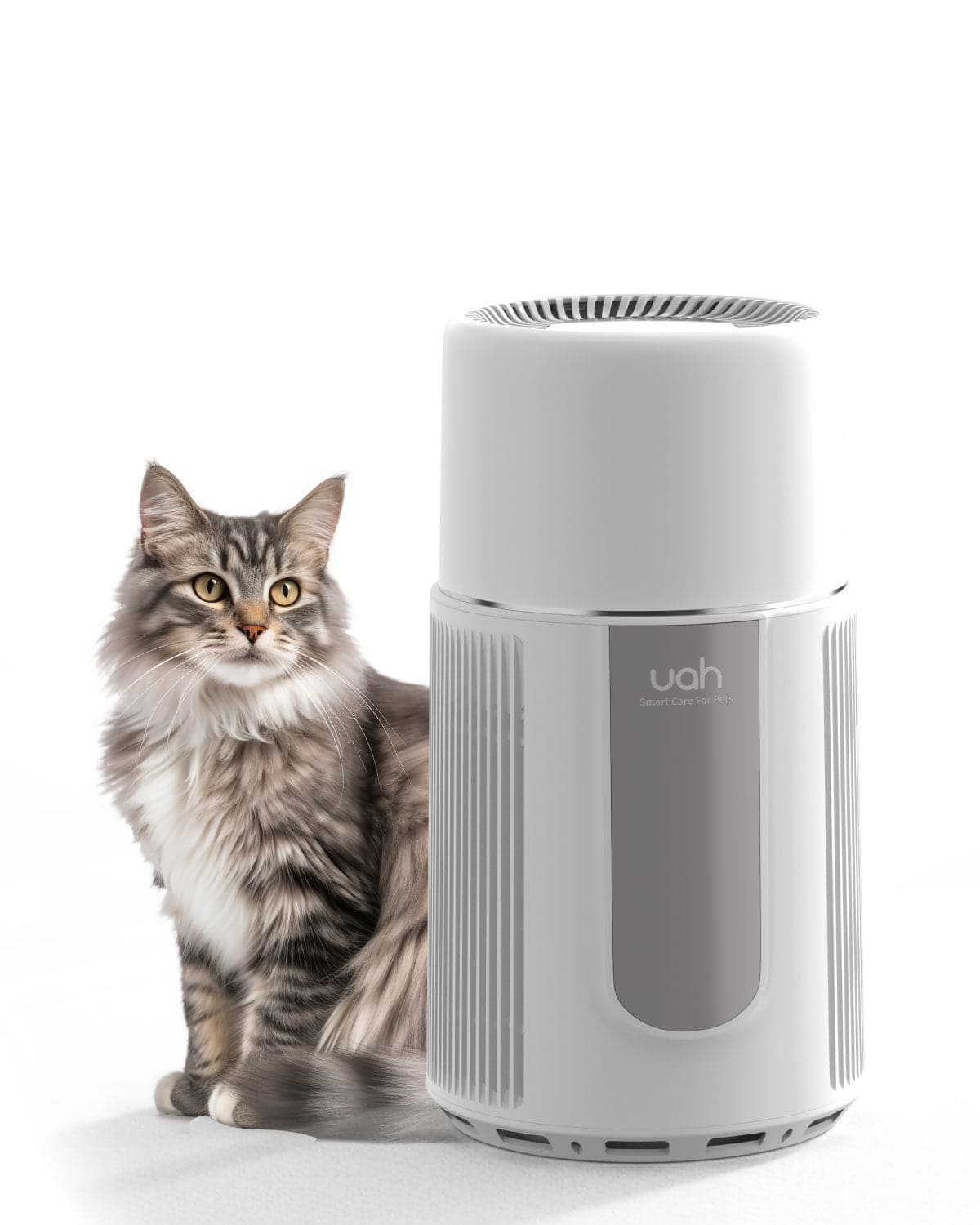


Living with allergies or pets can make your basement feel like a battleground. Dust, dander, and odors can accumulate, making the space uncomfortable and unhealthy. Basement air purifiers for allergies and pets are designed to tackle these issues head-on, providing a cleaner, fresher environment. In this guide, we’ll explore how these devices work, their benefits, and what to look for when choosing one.
Why Basements Need Special Attention
Basements are often neglected spaces in homes, but they can harbor a variety of allergens and pollutants. Due to their below-ground location, basements tend to have higher humidity levels, which can lead to mold and mildew growth. Additionally, basements are often used for storage, which can attract dust mites and other allergens. Pets that spend time in the basement can also contribute to the problem by shedding fur and dander. Basement air purifiers for allergies and pets are specifically designed to address these unique challenges.
How Air Purifiers Work
Air purifiers use a combination of filters and technologies to remove contaminants from the air. The most common type of filter is the HEPA filter, which can capture particles as small as 0.3 microns, including dust, pollen, and pet dander. Some air purifiers also include activated carbon filters, which are effective at removing odors and volatile organic compounds (VOCs). Advanced models may feature UV-C light or ionizers to kill bacteria and viruses. Basement air purifiers for allergies and pets often combine these technologies to provide comprehensive air cleaning.
Benefits of Using an Air Purifier in Your Basement
There are numerous benefits to using an air purifier in your basement, especially if you suffer from allergies or have pets. First and foremost, air purifiers can significantly reduce the presence of allergens, making the space more comfortable for allergy sufferers. They can also eliminate pet odors, making the basement a more pleasant place to spend time. Additionally, air purifiers can help reduce the risk of mold and mildew growth by removing excess moisture from the air. This can be particularly important in basements, where humidity levels are often higher.
Key Features to Look For
When choosing a basement air purifier for allergies and pets, there are several key features to consider. Look for a model with a true HEPA filter, as this is the most effective at capturing allergens. Activated carbon filters are also important for removing pet odors. Consider the size of the unit and the square footage it can cover, as basements can vary widely in size. Noise level is another factor to consider, especially if you plan to spend a lot of time in the basement. Finally, look for a unit with a washable or replaceable filter, as this will save you money in the long run.
Maintenance Tips for Basement Air Purifiers
To keep your basement air purifier running efficiently, regular maintenance is essential. This includes cleaning or replacing the filters as recommended by the manufacturer. If your unit has a washable filter, make sure to clean it thoroughly and allow it to dry completely before reinstalling. It’s also a good idea to clean the exterior of the unit regularly to remove dust and dirt. Additionally, consider using a dehumidifier in conjunction with your air purifier to help control humidity levels in the basement.
Common Mistakes to Avoid
When using a basement air purifier for allergies and pets, there are a few common mistakes to avoid. One of the most common is not choosing a unit that is appropriately sized for the space. An undersized unit will not be effective at cleaning the air, while an oversized unit may be unnecessarily expensive. Another mistake is neglecting to replace or clean the filters regularly, which can reduce the unit’s effectiveness. Finally, avoid placing the air purifier in a corner or behind furniture, as this can restrict airflow and reduce its efficiency.
How to Maximize the Effectiveness of Your Air Purifier
To get the most out of your basement air purifier for allergies and pets, there are several steps you can take. First, make sure to keep the basement clean and free of clutter, as this can reduce the amount of dust and allergens in the air. Regularly vacuuming and dusting can also help. Additionally, consider using a vacuum with a HEPA filter to prevent allergens from being released back into the air. Finally, try to keep pets groomed and bathed regularly to reduce the amount of dander they shed.
Understanding Air Quality in Your Basement
Understanding the air quality in your basement is key to choosing the right air purifier. You can use an air quality monitor to measure levels of pollutants such as dust, VOCs, and humidity. This information can help you determine the type of air purifier you need and how often to run it. Additionally, monitoring air quality can help you identify any underlying issues, such as a leak or poor ventilation, that may be contributing to poor air quality.
Health Benefits of Clean Air in Your Basement
Improving the air quality in your basement can have significant health benefits, especially for those with allergies or respiratory conditions. Clean air can reduce symptoms such as sneezing, coughing, and itchy eyes, making the basement a more comfortable space to spend time. Additionally, removing pet dander and odors can improve overall indoor air quality, benefiting everyone in the home. For pet owners, clean air can also help reduce the risk of pet-related allergies in family members.
Cost Considerations
When purchasing a basement air purifier for allergies and pets, cost is an important factor to consider. While it may be tempting to choose the least expensive option, it’s important to consider the long-term costs of ownership. Units with washable or replaceable filters may have a higher upfront cost but can save you money over time. Additionally, consider the energy efficiency of the unit, as this can impact your monthly utility bills. Finally, factor in the cost of any additional features, such as UV-C light or ionizers, that may be important for your needs.
Environmental Impact of Air Purifiers
While air purifiers can improve indoor air quality, it’s also important to consider their environmental impact. Units with washable or replaceable filters can reduce waste, making them a more eco-friendly option. Additionally, choosing an energy-efficient unit can help reduce your carbon footprint. Some air purifiers are also made from recyclable materials, further reducing their environmental impact. By considering these factors, you can choose a basement air purifier for allergies and pets that is both effective and environmentally responsible.
Transform your basement into a clean, comfortable space with the right air purifier. Whether you’re dealing with allergies, pet odors, or just want to improve the air quality, a basement air purifier for allergies and pets can make all the difference. Start your journey to better air quality today and breathe easier in your home.