Wet food can be an excellent way to add moisture and variety to your cat’s diet, but it requires more careful handling than dry food. Once a can, pouch or tray has been opened, exposure to air, room temperature and bacteria can gradually affect its freshness.
Fortunately, a few simple storage and feeding habits can help keep your cat’s meals fresh, appetizing and easier to manage—even when you are away from home.
How Long Can Wet Cat Food Sit Out?
There is no single time limit that applies to every wet cat food. Room temperature, ingredients and the manufacturer’s instructions can all affect how quickly the food should be removed.
According to this veterinarian-reviewed wet cat food storage guide from PetMD, opened wet food should not remain in the bowl for longer than an hour. Warmer environments may require even more caution.
Always follow the instructions printed on the food packaging. If the food develops an unusual smell, changes color, dries out significantly or has remained exposed longer than recommended, discard it rather than serving it again.
Refrigerate Opened Wet Food Promptly
When your cat does not finish an entire can or pouch, place the remaining food in a clean, airtight container and refrigerate it promptly.
The U.S. Food and Drug Administration’s pet food storage guidance recommends promptly refrigerating or discarding unused canned and pouched pet food. It also recommends keeping refrigerators at 40°F or below and washing pet food bowls after each use.
For better storage:
-
Cover opened food instead of leaving it exposed.
-
Write the opening date on the container.
-
Follow the food manufacturer’s refrigeration instructions.
-
Keep the refrigerator at 40°F (4.4°C) or below.
-
Discard food with an unusual odor, appearance or texture.
Many wet foods should be used within a few days after opening, but the instructions on the food packaging should always take priority.
Divide Wet Food Into Meal-Sized Portions
Repeatedly opening, serving and returning the same container to the refrigerator can make feeding less convenient. Dividing wet food into individual portions can simplify the routine.
Prepare only the amount your cat normally eats at one meal. Smaller portions spend less time exposed to room temperature and reduce the amount of leftover food that needs to be discarded.
Portioning also makes it easier to:
-
Maintain a regular feeding schedule.
-
Monitor how much your cat eats.
-
Avoid overfilling the bowl.
-
Prepare meals before work or bedtime.
-
Manage different foods in a multi-cat household.
Follow the feeding recommendations on the food label. If your cat has medical needs, weight concerns or a prescribed diet, ask your veterinarian to recommend an appropriate portion size.
Use a Clean Bowl for Every Meal
Food safety does not end with refrigeration. Residue left in a bowl can dry onto the surface and mix with the next meal.
Wash feeding bowls with hot, soapy water after each use and allow them to dry completely. Stainless steel bowls are a practical option because their smooth surface is generally easy to clean.
When preparing several portions in advance, use clean containers and utensils. Avoid adding a fresh serving on top of leftovers from an earlier meal.
How to Serve Refrigerated Wet Cat Food
Some cats do not enjoy food served directly from the refrigerator because cold food may be less aromatic and appealing.
You can allow a measured portion to lose some of its chill before serving, but avoid leaving it exposed for an unnecessarily long time. If you warm the food, stir it thoroughly and check the temperature before offering it to your cat.
The food should feel comfortably warm—not hot. Do not repeatedly warm and cool the same portion. Prepare only what your cat is likely to eat during that meal.
Keeping Wet Cat Food Fresh While You Are Away
Wet food can be difficult to manage while you are working, sleeping or away from home. A normal bowl cannot control how long food remains exposed, and leaving a large serving out in the morning may not keep it fresh until a later meal.
There are several ways to manage scheduled wet-food meals:
Regular Bowl
A regular bowl works well when the meal will be eaten immediately, but it does not control temperature or protect food that must wait before serving.
Ice-Pack Feeder
An ice-pack feeder uses a frozen pack beneath the food bowl. Its performance can vary depending on room temperature, the size of the ice pack and how long the food must wait.
Actively Cooled Feeder
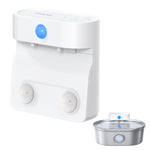
An actively cooled feeder is designed to manage the food environment more consistently before serving. Some models also open meals according to a schedule, so wet food does not have to remain exposed in an uncovered bowl.
For households that regularly serve wet or fresh meals, an
An automatic feeder should still be cleaned regularly, and food must be prepared according to the food manufacturer’s instructions. A cooled feeder supports a better feeding routine, but it cannot make already spoiled food safe.
Create a Simple Wet-Food Routine
A practical routine does not need to be complicated:
-
Store unopened wet food in a cool, dry place.
-
Check the package and expiration date before opening.
-
Refrigerate unused food promptly in a sealed container.
-
Prepare meal-sized portions.
-
Keep portions chilled until close to serving time.
-
Wash and dry the feeding bowl after every meal.
-
Discard food that may no longer be fresh.
Consistency is safer and more convenient than trying to rescue leftovers that may have remained exposed for too long.
Frequently Asked Questions
Can opened wet cat food stay in the original can?
Opened food can be refrigerated in its original can if it is properly covered. Transferring it to a clean, airtight container may make storage and portioning easier. Always follow the manufacturer’s instructions.
Can I leave wet cat food out all day?
Leaving wet food in an ordinary uncovered bowl all day is not recommended. Serve smaller portions and remove uneaten food within the period recommended by the manufacturer or your veterinarian.
Can wet cat food be frozen?
Some wet foods can be frozen in meal-sized portions, although freezing may change their texture. Check the manufacturer’s instructions before freezing a particular formula.
Can I mix fresh food with food left from an earlier meal?
It is better to serve fresh food in a clean bowl. Adding new food to old leftovers may transfer residue and bacteria from the earlier meal.
Is an automatic feeder a replacement for refrigeration?
No. A standard automatic feeder does not necessarily keep wet food cold. If food must remain in the feeder before serving, choose a system designed for chilled or actively cooled feeding and follow its operating instructions.
Final Thoughts
Keeping wet cat food fresh depends on three basic habits: limiting unnecessary room-temperature exposure, refrigerating opened food promptly and using clean feeding equipment.
Meal-sized portions and a consistent feeding schedule can make these steps easier, especially for households that serve several wet-food meals each day.
When in doubt, follow the food manufacturer’s storage instructions. Speak with your veterinarian if your cat has special dietary requirements or shows signs of illness after eating.