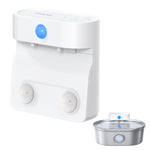
Living with pets can bring immense joy, but for those with allergies, it can also mean constant sneezing, itchy eyes, and difficulty breathing. An air cleaner for pet allergies is a game-changer, offering relief by removing allergens from the air. This comprehensive guide explores how these devices work, their benefits, and how to choose the best one for your needs.
Understanding Pet Allergies
Pet allergies are triggered by proteins found in an animal's skin cells, saliva, and urine. These allergens can become airborne and settle on surfaces, making it difficult to avoid them. Common symptoms include sneezing, runny nose, itchy eyes, and even asthma attacks. For pet lovers, giving up their furry friends is not an option, which is why finding effective solutions like air cleaners is essential.
How Air Cleaners Work
Air cleaners, also known as air purifiers, are designed to remove contaminants from the air. They use filters, such as HEPA filters, to capture particles like pet dander, dust, and pollen. Some models also include activated carbon filters to neutralize odors and UV-C light to kill bacteria and viruses. By continuously circulating and cleaning the air, these devices help reduce allergen levels in your home.
Benefits of Using an Air Cleaner for Pet Allergies
Investing in an air cleaner for pet allergies offers numerous benefits. First and foremost, it reduces the concentration of allergens in the air, providing relief from symptoms. It also improves overall indoor air quality, which is beneficial for everyone in the household, not just allergy sufferers. Additionally, air cleaners can help eliminate pet odors, making your home more pleasant.
Key Features to Look For
When choosing an air cleaner for pet allergies, consider the following features:
- HEPA Filter: A HEPA filter is essential for capturing pet dander and other allergens.
- Activated Carbon Filter: This filter helps remove odors, such as those from pet urine or saliva.
- Coverage Area: Ensure the device is suitable for the size of the room where it will be used.
- Noise Level: Look for a model that operates quietly, especially if it will be used in a bedroom or living area.
- Energy Efficiency: Choose an energy-efficient model to save on electricity costs.
Tips for Maximizing Effectiveness
To get the most out of your air cleaner for pet allergies, follow these tips:
- Place the device in the room where you spend the most time, such as the bedroom or living room.
- Keep doors and windows closed to prevent allergens from entering the room.
- Regularly clean and replace filters according to the manufacturer's instructions.
- Vacuum and dust your home frequently to reduce the amount of allergens on surfaces.
- Bathe and groom your pets regularly to minimize shedding and dander.
Common Misconceptions About Air Cleaners
There are several misconceptions about air cleaners that can lead to confusion. One common myth is that they can completely eliminate pet allergies. While they significantly reduce allergen levels, they are not a cure. Another misconception is that all air cleaners are the same. In reality, the effectiveness of a device depends on its features and how it is used.
Alternative Solutions for Pet Allergies
While an air cleaner for pet allergies is highly effective, it is not the only solution. Other measures include using hypoallergenic bedding, washing your hands after petting your animal, and keeping pets out of certain areas, such as the bedroom. Combining these strategies with an air cleaner can provide even greater relief.
Maintenance and Care
Proper maintenance is crucial for ensuring your air cleaner continues to perform effectively. This includes regularly cleaning the exterior, replacing filters as needed, and checking for any signs of wear or damage. Neglecting maintenance can reduce the device's efficiency and lifespan.
Cost Considerations
The cost of an air cleaner for pet allergies can vary widely depending on the features and brand. While it may be tempting to choose a cheaper model, investing in a high-quality device can provide better performance and long-term savings. Consider the initial cost, as well as ongoing expenses like filter replacements and electricity usage.
Environmental Impact
Using an air cleaner for pet allergies can have a positive impact on your health, but it is also important to consider the environmental impact. Look for energy-efficient models and recycle filters and other components responsibly. Some manufacturers also offer eco-friendly options, such as washable filters.
Real-Life Success Stories
Many pet owners have found relief from allergies by using an air cleaner. Testimonials often highlight significant improvements in symptoms, better sleep, and an overall improvement in quality of life. These stories can provide valuable insights and help you make an informed decision.
Expert Recommendations
Experts in allergy and asthma care often recommend using an air cleaner as part of a comprehensive approach to managing pet allergies. They emphasize the importance of choosing a device with a HEPA filter and using it consistently for the best results. Consulting with a healthcare professional can also provide personalized advice.
Future Trends in Air Cleaning Technology
The field of air cleaning technology is constantly evolving, with new innovations aimed at improving efficiency and convenience. Future trends may include smarter devices that can be controlled via smartphone apps, more advanced filtration systems, and even greater energy efficiency. Staying informed about these developments can help you make the best choice for your needs.
An air cleaner for pet allergies is more than just a device; it is a lifeline for those who want to enjoy the company of their pets without suffering from allergies. By understanding how these devices work, their benefits, and how to choose the right one, you can transform your home into a healthier, more comfortable environment. Take the first step toward breathing easier and reclaiming your quality of life today.