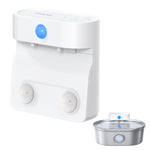
As a cat owner, you may have wondered, can cat get electrocuted from water fountain? This concern is valid, especially since water and electricity are a dangerous combination. While pet water fountains are designed with safety in mind, accidents can still happen if proper precautions are not taken. This article dives deep into the risks, safety measures, and expert tips to ensure your feline friend stays safe and hydrated.
Understanding the Risks
Water fountains for pets are a popular choice for keeping cats hydrated, as they encourage drinking by providing fresh, flowing water. However, the combination of water and electricity inherently carries risks. If a water fountain is not properly maintained or if there are electrical malfunctions, there is a possibility of electrocution. Cats, being curious creatures, may also tamper with the fountain, increasing the risk of accidents.
How Electrocution Can Occur
Electrocution in cats can happen in several ways when using a water fountain. One common scenario is when the electrical components of the fountain come into contact with water due to a leak or spill. Another risk arises if the power cord is damaged or chewed on by the cat, exposing live wires. Additionally, if the fountain is placed in an area where water can easily splash onto electrical outlets, it can create a hazardous situation.
Signs of Electrocution in Cats
If you suspect your cat has been electrocuted, it’s crucial to recognize the signs immediately. Symptoms may include burns around the mouth or paws, difficulty breathing, seizures, or unconsciousness. In severe cases, electrocution can lead to cardiac arrest. If you notice any of these signs, seek veterinary assistance immediately and ensure the area is safe before approaching your cat.
Preventing Electrocution: Safety Tips
To minimize the risk of electrocution, follow these safety tips when using a water fountain for your cat:
- Choose a fountain with built-in safety features, such as a low-voltage pump and waterproof design.
- Regularly inspect the fountain for leaks, cracks, or damage to the power cord.
- Place the fountain in a dry area away from electrical outlets and other sources of water.
- Use a ground fault circuit interrupter (GFCI) outlet to reduce the risk of electrical shock.
- Supervise your cat during the initial use of the fountain to ensure they do not tamper with it.
Maintaining Your Cat’s Water Fountain
Proper maintenance is key to ensuring the safety and functionality of your cat’s water fountain. Clean the fountain regularly to prevent the buildup of bacteria and debris, which can affect its performance. Replace filters as recommended by the manufacturer to keep the water fresh and flowing smoothly. Additionally, check the electrical components periodically to ensure they are in good working condition.
Alternative Hydration Solutions
If you’re concerned about the risks associated with water fountains, there are alternative ways to keep your cat hydrated. Consider using stainless steel or ceramic water bowls, which are easy to clean and do not involve electrical components. You can also encourage your cat to drink more water by placing multiple bowls around the house or adding wet food to their diet.
Expert Advice on Cat Safety
Veterinarians and pet safety experts emphasize the importance of being proactive when it comes to your cat’s well-being. While water fountains can be a great tool for hydration, it’s essential to weigh the benefits against the potential risks. Always prioritize safety by choosing high-quality products, following manufacturer guidelines, and staying vigilant about your cat’s behavior around the fountain.
By taking the necessary precautions, you can significantly reduce the risk of electrocution and ensure your cat stays safe and healthy. Remember, your feline friend relies on you to provide a safe environment, so don’t hesitate to invest time and effort into making their hydration experience as secure as possible.
Curious to learn more about keeping your cat safe around water fountains? Explore our comprehensive guide to pet safety and discover expert tips to protect your furry companion from potential hazards. Your cat’s well-being is worth every effort!