Have you ever noticed your cat sitting in front of its water bowl but not drinking? This behavior can be puzzling and concerning for any cat owner. While it might seem like a minor issue, it could indicate underlying health problems or behavioral quirks that need attention. Understanding why your cat is behaving this way is crucial to ensuring its well-being.
Possible Health Issues
One of the primary reasons your cat might be sitting in front of its water bowl but not drinking is due to health issues. Cats are known for their stoic nature, often hiding discomfort or illness until it becomes severe. Here are some health-related factors to consider:
- Dehydration: Ironically, dehydration can cause a cat to avoid drinking water. If your cat is dehydrated, it might feel too weak or nauseous to drink.
- Kidney Disease: Kidney issues are common in older cats and can lead to changes in drinking behavior. Your cat might feel the urge to drink but find it difficult to do so.
- Dental Problems: Painful teeth or gums can make drinking uncomfortable for your cat. If your cat has dental issues, it might sit by the water bowl but avoid drinking due to the pain.
- Urinary Tract Infections: UTIs can cause discomfort while urinating, leading your cat to associate drinking water with pain. This might result in your cat avoiding water altogether.
Behavioral Factors
Not all reasons for this behavior are health-related. Sometimes, it’s simply a matter of your cat’s preferences or habits. Here are some behavioral factors to consider:
- Water Bowl Placement: Cats are sensitive to their environment. If the water bowl is placed near their food or litter box, they might avoid drinking from it. Cats prefer their water source to be separate from their eating and elimination areas.
- Water Quality: Cats are picky about the taste and temperature of their water. If the water is stale, too cold, or has an odd taste, your cat might refuse to drink it.
- Stress or Anxiety: Changes in the household, such as a new pet or a move, can cause stress in cats. This stress might manifest in changes in their drinking habits.
- Preference for Running Water: Many cats prefer running water over still water. If your cat is sitting by the bowl but not drinking, it might be because it prefers a fountain or a dripping tap.
Environmental Considerations
The environment plays a significant role in your cat’s behavior. Here are some environmental factors that might influence your cat’s drinking habits:
- Bowl Material: Some cats are sensitive to the material of their water bowl. Plastic bowls, for example, can retain odors that might deter your cat from drinking.
- Bowl Size and Shape: The size and shape of the bowl can also affect your cat’s willingness to drink. A bowl that’s too deep or too shallow might not be appealing to your cat.
- Cleanliness: Cats are clean animals and might avoid drinking from a bowl that’s dirty or has debris in it. Regularly cleaning the water bowl is essential to encourage your cat to drink.
Practical Solutions
If your cat is sitting in front of its water bowl but not drinking, there are several practical steps you can take to address the issue:
- Consult a Veterinarian: If you suspect a health issue, it’s crucial to consult a veterinarian. They can perform tests to rule out any underlying conditions and provide appropriate treatment.
- Change the Water Bowl: Experiment with different types of bowls, such as stainless steel or ceramic, to see if your cat prefers a different material. Also, consider the size and shape of the bowl.
- Provide Fresh Water: Ensure that your cat always has access to fresh, clean water. Change the water daily and clean the bowl regularly.
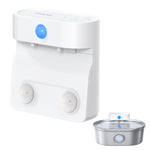
- Try a Water Fountain: Many cats are attracted to running water. A cat water fountain can encourage your cat to drink more.
- Adjust the Placement: Move the water bowl to a quiet, separate area away from the food and litter box. This might make your cat more comfortable drinking from it.
Monitoring Your Cat’s Hydration
Keeping an eye on your cat’s hydration levels is essential, especially if you notice changes in its drinking habits. Here are some signs to watch for:
- Skin Elasticity: Gently pinch the skin on the back of your cat’s neck. If it doesn’t snap back quickly, your cat might be dehydrated.
- Gum Moisture: Check your cat’s gums. If they’re dry or sticky, it could indicate dehydration.
- Lethargy: A dehydrated cat might appear lethargic or less active than usual.
- Sunken Eyes: Dehydration can cause your cat’s eyes to appear sunken or dull.
If you notice any of these signs, it’s important to seek veterinary care immediately.
Preventing Future Issues
Preventing your cat from sitting in front of its water bowl but not drinking involves a combination of health monitoring, environmental adjustments, and behavioral understanding. Here are some tips to prevent future issues:
- Regular Vet Check-ups: Regular veterinary visits can help catch any health issues early before they affect your cat’s drinking habits.
- Maintain a Clean Environment: Keep your cat’s water bowl clean and ensure it’s placed in a suitable location.
- Offer Multiple Water Sources: Providing multiple water bowls or a water fountain can encourage your cat to drink more.
- Monitor Water Intake: Keep an eye on how much water your cat is drinking daily. Any significant changes should be discussed with your vet.
Understanding why your cat is sitting in front of its water bowl but not drinking is the first step to ensuring its health and happiness. By addressing potential health issues, making environmental adjustments, and understanding your cat’s behavior, you can help your feline friend stay hydrated and healthy. Remember, when in doubt, always consult your veterinarian to rule out any serious conditions.
If you’ve ever wondered why your cat sits in front of its water bowl but doesn’t drink, you’re not alone. This behavior can be a sign of something as simple as a preference for running water or as serious as a health issue. By paying attention to your cat’s habits and making the necessary adjustments, you can ensure your furry friend stays hydrated and happy. Don’t ignore this behavior—take action today to keep your cat healthy and thriving.