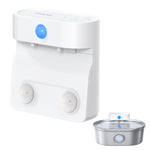
When it comes to feeding your feline friend, the right bowl can make all the difference. A fat cat bowl is not just a simple container for food; it's a tool that can help manage your cat's diet, improve their eating habits, and even enhance their overall well-being. In this article, we'll explore the various aspects of fat cat bowls, from their design and materials to their benefits and how to choose the perfect one for your pet.
Why a Fat Cat Bowl Matters
Many cat owners underestimate the importance of the right feeding bowl. However, the type of bowl you use can significantly impact your cat's eating experience. A fat cat bowl is specifically designed to address the unique needs of overweight or obese cats. These bowls often come with features that help control portion sizes, slow down eating, and promote healthier feeding habits.
Design Features to Look For
When selecting a fat cat bowl, there are several design features to consider. First, look for a bowl with a wide and shallow design. This allows your cat to access their food easily without having to dig deep into the bowl, which can be uncomfortable for overweight cats. Additionally, a non-slip base is essential to prevent the bowl from sliding around while your cat is eating.
Another important feature is portion control. Some fat cat bowls come with built-in dividers or compartments that allow you to measure out specific amounts of food. This can be particularly helpful if your cat is on a strict diet. Slow-feeding designs, such as raised ridges or maze-like patterns, can also be beneficial. These features encourage your cat to eat more slowly, which can help prevent overeating and improve digestion.
Material Matters
The material of the bowl is another crucial factor to consider. Stainless steel is a popular choice because it's durable, easy to clean, and resistant to bacteria. Ceramic bowls are also a good option, as they are heavy and less likely to tip over. However, make sure the ceramic bowl is lead-free and has a smooth surface to prevent bacteria buildup.
Plastic bowls are generally not recommended for fat cats. They can harbor bacteria in scratches and may contain harmful chemicals. Additionally, some cats may develop allergies or skin irritations from plastic bowls. If you do choose a plastic bowl, make sure it's made from high-quality, food-grade material and is free from BPA and other toxins.
Benefits of Using a Fat Cat Bowl
Using a fat cat bowl offers several benefits for both you and your pet. First and foremost, it helps manage your cat's weight by controlling portion sizes and slowing down their eating. This can be particularly important for overweight cats, as rapid eating can lead to overconsumption and weight gain.
Another benefit is improved digestion. When cats eat too quickly, they may swallow air along with their food, which can lead to digestive issues such as bloating and vomiting. A slow-feeding fat cat bowl encourages your cat to eat at a more leisurely pace, reducing the risk of these problems.
Finally, a fat cat bowl can make mealtime more enjoyable for your pet. The right bowl can reduce stress and discomfort, making it easier for your cat to eat. This is especially important for older cats or those with arthritis, who may have difficulty bending down to reach their food.
How to Choose the Right Fat Cat Bowl
Choosing the right fat cat bowl for your pet can seem overwhelming, but it doesn't have to be. Start by considering your cat's specific needs. If your cat is overweight, look for a bowl with portion control and slow-feeding features. If your cat has arthritis or other mobility issues, a raised bowl may be more comfortable for them.
Next, consider the material of the bowl. Stainless steel and ceramic are generally the best options, but make sure the bowl is easy to clean and free from harmful chemicals. Finally, think about the size and shape of the bowl. It should be large enough to hold your cat's food without being too deep or difficult to access.
Tips for Using a Fat Cat Bowl
Once you've chosen the perfect fat cat bowl, there are a few tips to keep in mind to ensure your cat gets the most out of it. First, make sure to clean the bowl regularly to prevent bacteria buildup. Stainless steel and ceramic bowls can be washed with warm, soapy water, while plastic bowls may require more thorough cleaning.
It's also important to monitor your cat's eating habits. If you notice that your cat is still eating too quickly or not eating enough, you may need to adjust the portion sizes or try a different bowl design. Finally, be patient. It may take some time for your cat to get used to their new bowl, especially if they're used to a different type of feeding dish.
Choosing the right fat cat bowl is an important step in managing your cat's diet and overall health. With the right bowl, you can help your cat maintain a healthy weight, improve their digestion, and make mealtime more enjoyable. So why wait? Start exploring your options today and give your feline friend the gift of a better eating experience.