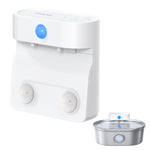
Have you ever wondered how pet water fountains keep your furry companions hydrated and happy? These ingenious devices are more than just a fancy bowl—they’re designed to encourage pets to drink more water while ensuring it stays fresh and clean. Let’s dive into the inner workings of pet water fountains and explore why they’re a must-have for pet owners.
The Basics of Pet Water Fountains
Pet water fountains are devices that provide a continuous flow of water, mimicking the natural streams and rivers that animals are instinctively drawn to. Unlike stagnant water in a bowl, a fountain keeps water moving, which helps prevent the growth of bacteria and algae. This makes it a healthier option for your pets.
Key Components of a Pet Water Fountain
Understanding how pet water fountains work starts with knowing their key components. Here’s a breakdown of the essential parts:
- Water Reservoir: This is the main container that holds the water. It’s usually made from durable, non-toxic materials like plastic or stainless steel.
- Pump: The heart of the fountain, the pump circulates water from the reservoir to the top of the fountain, creating a continuous flow.
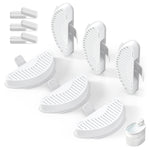
- Filter: Most fountains include a filter to remove impurities, such as hair, dirt, and debris, ensuring the water stays clean.
- Spout or Faucet: This is where the water flows out, often designed to create a gentle stream or waterfall effect.
- Base or Tray: The base collects excess water and directs it back into the reservoir, preventing spills and keeping the area dry.
How the Water Circulation Process Works
The magic of a pet water fountain lies in its circulation process. Here’s a step-by-step explanation:
- Water is drawn from the reservoir by the pump.
- The pump pushes the water through the filter, which removes impurities.
- Filtered water flows out of the spout or faucet, creating a continuous stream.
- Excess water is collected in the base and redirected back into the reservoir, completing the cycle.
Benefits of Using a Pet Water Fountain
Pet water fountains offer numerous advantages for both pets and their owners. Here are some of the key benefits:
- Encourages Hydration: The flowing water is more appealing to pets, encouraging them to drink more.
- Keeps Water Fresh: Continuous circulation prevents stagnation, keeping the water clean and fresh.
- Reduces Bacteria Growth: Moving water is less likely to harbor harmful bacteria and algae.
- Low Maintenance: Many fountains are easy to clean and come with replaceable filters.
- Quieter Operation: Modern fountains are designed to operate quietly, minimizing noise disruptions.
Choosing the Right Pet Water Fountain
When selecting a pet water fountain, consider the following factors:
- Size: Choose a fountain that suits your pet’s size and water consumption needs.
- Material: Opt for non-toxic, durable materials like stainless steel or BPA-free plastic.
- Filter Type: Look for fountains with high-quality, replaceable filters.
- Noise Level: If your pet is sensitive to noise, choose a fountain with a quiet pump.
- Ease of Cleaning: Select a fountain that’s easy to disassemble and clean.
Maintenance Tips for Pet Water Fountains
To keep your pet water fountain functioning optimally, regular maintenance is essential. Here are some tips:
- Clean Weekly: Disassemble the fountain and clean all components with mild soap and water.
- Replace Filters: Follow the manufacturer’s guidelines for replacing filters, typically every 2–4 weeks.
- Check the Pump: Inspect the pump regularly for debris and clean it as needed.
- Refill Water: Ensure the reservoir is always filled with fresh water.
- Monitor for Wear: Replace any worn or damaged parts to maintain the fountain’s efficiency.
Common Questions About Pet Water Fountains
Here are answers to some frequently asked questions about pet water fountains:
Are pet water fountains safe?
Yes, pet water fountains are safe when used and maintained properly. Choose fountains made from non-toxic materials and follow the manufacturer’s cleaning instructions.
Do pets prefer water fountains over bowls?
Many pets are naturally drawn to moving water, making fountains a more appealing option than stagnant bowls.
How often should I clean my pet water fountain?
It’s recommended to clean the fountain at least once a week and replace the filter every 2–4 weeks.
Can I use tap water in a pet water fountain?
Yes, tap water is generally safe, but using filtered water can further reduce impurities.
What if my pet is afraid of the fountain?
Introduce the fountain gradually, allowing your pet to get used to the sound and sight of flowing water.
Pet water fountains are a game-changer for keeping your furry friends hydrated and healthy. With their innovative design and easy maintenance, they’re a worthwhile investment for any pet owner. Ready to make the switch? Your pet will thank you!