Ensuring your dog stays hydrated is one of the most important aspects of pet care. Water is essential for maintaining your dog's overall health, aiding digestion, regulating body temperature, and supporting vital organ functions. But how much water should a dog be drinking a day? The answer isn't always straightforward, as it depends on various factors such as size, age, activity level, and diet. In this article, we'll explore everything you need to know about your dog's water intake and how to keep them properly hydrated.
Why Is Water Important for Dogs?
Water plays a critical role in your dog's body. It helps transport nutrients, flush out toxins, and keep joints lubricated. Without adequate hydration, your dog can experience serious health issues, including kidney problems, urinary tract infections, and even organ failure. Ensuring your dog drinks enough water daily is crucial for their well-being.
How Much Water Should a Dog Drink Daily?
As a general rule, dogs should drink approximately one ounce of water per pound of body weight each day. For example, a 50-pound dog should drink around 50 ounces of water daily. However, this is just a guideline, and individual needs may vary. Puppies, active dogs, and those living in hot climates may require more water, while older or less active dogs might need less.
Factors That Influence a Dog's Water Intake
Several factors can affect how much water your dog needs:
- Size and Weight: Larger dogs naturally require more water than smaller breeds.
- Activity Level: Active dogs lose more water through panting and sweating, so they need to drink more.
- Diet: Dogs on a dry food diet will need more water than those eating wet food, which contains moisture.
- Weather: Hot or humid weather increases a dog's water needs.
- Health Conditions: Certain medical conditions, such as diabetes or kidney disease, can affect hydration levels.
Signs Your Dog Isn't Drinking Enough Water
Dehydration can be dangerous for dogs, so it's important to recognize the signs early. Symptoms of insufficient water intake include lethargy, dry gums, sunken eyes, loss of appetite, and reduced skin elasticity. If you notice any of these signs, encourage your dog to drink more water and consult your veterinarian if symptoms persist.
How to Encourage Your Dog to Drink More Water
If your dog isn't drinking enough water, there are several strategies you can try:
- Provide fresh, clean water at all times.
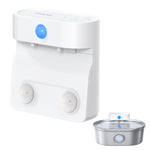
- Use a water fountain to make drinking more appealing.
- Add water to their dry food to increase moisture intake.
- Offer ice cubes as a fun and hydrating treat.
- Place multiple water bowls around your home for easy access.
Can a Dog Drink Too Much Water?
While dehydration is a common concern, overhydration can also be problematic. Drinking excessive amounts of water can lead to water intoxication, a condition that dilutes the body's electrolytes and can be life-threatening. Signs of overhydration include vomiting, lethargy, and bloating. If you suspect your dog is drinking too much water, seek veterinary advice immediately.
Monitoring Your Dog's Water Intake
Keeping track of how much water your dog drinks daily can help you identify any changes in their habits. Use a measuring cup to fill their water bowl and note the amount they consume. Sudden increases or decreases in water intake could indicate an underlying health issue and should be discussed with your vet.
Special Considerations for Puppies and Senior Dogs
Puppies and senior dogs have unique hydration needs. Puppies are more active and have higher metabolic rates, so they require more water relative to their size. Senior dogs, on the other hand, may drink less due to reduced activity or health issues. Monitor their water intake closely and adjust as needed.
Hydration Tips for Active Dogs
If your dog loves outdoor adventures or strenuous exercise, hydration is even more critical. Always bring water with you on walks, hikes, or trips to the park. Consider using a portable water bottle designed for pets to make it easy for your dog to drink on the go.
The Role of Water in Preventing Health Issues
Proper hydration can help prevent a range of health problems in dogs, including urinary tract infections, kidney stones, and heatstroke. By ensuring your dog drinks enough water daily, you're taking a proactive step toward safeguarding their health and longevity.
Keeping your dog hydrated doesn't have to be complicated. By understanding their unique needs and monitoring their water intake, you can ensure they stay happy and healthy. Remember, water is just as important as food when it comes to your dog's well-being. So, make hydration a priority and enjoy the peace of mind that comes with knowing your furry friend is properly cared for.