Winter can be a challenging time for pet owners, especially when it comes to ensuring your dog has access to fresh, unfrozen water. A frozen water bowl can leave your furry friend dehydrated and uncomfortable. Fortunately, there are several strategies you can employ to stop your dog's water bowl from freezing. This article will guide you through practical and effective methods to keep your pet hydrated all winter long.
Understanding the Problem
When temperatures drop below freezing, water in your dog's bowl can quickly turn to ice. This not only prevents your dog from drinking but can also be a source of frustration for pet owners who constantly need to replace or thaw the water. Understanding why this happens is the first step in finding a solution. Water freezes at 32°F (0°C), and outdoor temperatures often dip below this threshold during winter months, especially at night.
Choose the Right Bowl Material
The material of your dog's water bowl can significantly impact how quickly it freezes. Certain materials, like metal, conduct heat more efficiently and can cause water to freeze faster. On the other hand, insulated or double-walled bowls are designed to retain heat and slow down the freezing process. Consider investing in a bowl specifically designed to withstand cold temperatures.
Use a Heated Water Bowl
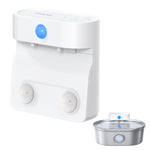
One of the most effective solutions is to use a heated water bowl. These bowls are equipped with a heating element that keeps the water at a temperature above freezing. They are safe, energy-efficient, and designed specifically for outdoor use. Ensure the bowl is plugged into a weatherproof outlet and follow the manufacturer's instructions for safe operation.
Insulate the Bowl
If a heated bowl is not an option, you can insulate the bowl to slow down the freezing process. Place the bowl inside a larger container filled with insulating materials like straw, foam, or even old blankets. This creates a barrier that helps retain heat and prevents the water from freezing as quickly.
Add Salt to the Water
Adding a small amount of salt to the water can lower its freezing point. However, this method should be used with caution, as too much salt can be harmful to your dog. If you choose this approach, ensure the salt concentration is minimal and monitor your dog's water intake to avoid any health issues.
Place the Bowl in a Sheltered Area
Location matters when it comes to preventing your dog's water bowl from freezing. Place the bowl in a sheltered area, such as under a porch or near a wall, to protect it from wind and direct exposure to cold air. This simple adjustment can make a significant difference in how quickly the water freezes.
Check and Replace Water Frequently
Even with preventive measures, it's essential to check your dog's water bowl regularly and replace the water if it starts to freeze. Fresh water is not only more appealing to your dog but also less likely to freeze immediately. Make this a part of your daily routine during winter months.
Use a Thermal Cover
Thermal covers are another effective way to keep your dog's water bowl from freezing. These covers are designed to trap heat and prevent the water from cooling too quickly. They are easy to use and can be a great addition to your winter pet care routine.
Consider a Solar-Powered Solution
For eco-conscious pet owners, solar-powered water bowls are an excellent option. These bowls use solar energy to keep the water warm, making them both environmentally friendly and effective. Ensure the bowl is placed in an area that receives ample sunlight during the day.
Monitor Your Dog's Hydration
Regardless of the method you choose, it's crucial to monitor your dog's hydration levels during winter. Dehydration can occur even in cold weather, and a frozen water bowl can exacerbate the problem. Watch for signs of dehydration, such as lethargy, dry gums, and reduced urination, and take immediate action if needed.
Keeping your dog's water bowl from freezing during winter doesn't have to be a daunting task. By implementing these practical solutions, you can ensure your furry friend stays hydrated and comfortable all season long. Whether you opt for a heated bowl, insulation, or a sheltered location, these tips will help you tackle the challenge of winter pet care with ease. Don't let the cold weather freeze your dog's water bowl—take action today and keep your pet happy and healthy!