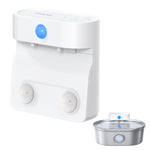
Managing a household with multiple cats can be a rewarding experience, but it also comes with its own set of challenges. One of the most significant challenges is maintaining a clean and odor-free environment, especially when it comes to the litter box. A litter box for multiple cats is not just a convenience; it's a necessity for ensuring the health and happiness of your feline companions. In this comprehensive guide, we will explore everything you need to know about selecting, using, and maintaining a litter box for multiple cats.
Why a Litter Box for Multiple Cats is Essential
When you have more than one cat, the dynamics of litter box usage change dramatically. Cats are territorial animals, and they can be quite particular about their bathroom habits. A single litter box may not suffice, leading to issues such as litter box avoidance, territorial disputes, and unpleasant odors. A litter box for multiple cats is designed to accommodate the needs of several felines, ensuring that each cat has a clean and accessible place to do their business.
Choosing the Right Litter Box for Multiple Cats
Selecting the right litter box for multiple cats involves considering several factors. Size is one of the most critical aspects. The litter box should be large enough to accommodate all your cats comfortably. A box that is too small can lead to overcrowding and stress. Additionally, the litter box should have high sides to prevent litter from being kicked out, but not so high that it becomes difficult for your cats to enter and exit.
Another important consideration is the type of litter box. There are various options available, including open-top, covered, and self-cleaning litter boxes. Open-top litter boxes are generally preferred by cats as they provide easy access and good ventilation. Covered litter boxes offer more privacy and help contain odors, but some cats may feel confined in them. Self-cleaning litter boxes are convenient but may require more maintenance and can be noisy, which might not be suitable for all cats.
Placement and Accessibility
The placement of the litter box is crucial for its effectiveness. It should be located in a quiet, low-traffic area where your cats feel safe and undisturbed. Avoid placing the litter box near their food and water bowls, as cats prefer to keep their eating and bathroom areas separate. If you have a multi-level home, consider placing a litter box on each floor to ensure easy access for all your cats.
Accessibility is another key factor. Make sure the litter box is easily accessible for all your cats, including older cats or those with mobility issues. If you have a covered litter box, ensure that the entrance is wide enough for your cats to enter and exit comfortably.
Maintaining a Clean Litter Box
Keeping the litter box clean is essential for preventing odors and ensuring your cats continue to use it. Scoop the litter box at least once a day to remove waste and clumps. Regular scooping helps maintain a clean environment and reduces the risk of litter box aversion. Additionally, completely change the litter and clean the box with mild soap and water on a weekly basis.
Using the right type of litter is also important. Clumping litter is popular because it makes scooping easier and helps control odors. However, some cats may prefer non-clumping litter, so it's essential to observe your cats' preferences. Avoid using scented litter, as the strong fragrance can be off-putting to cats and may cause them to avoid the litter box.
Dealing with Odors
Odor control is a common concern for cat owners, especially those with multiple cats. There are several strategies you can employ to keep odors at bay. First, ensure that the litter box is cleaned regularly. Using a high-quality, odor-absorbing litter can also help. Additionally, consider using a litter box deodorizer or placing an air purifier near the litter box to neutralize odors.
Another effective method is to use a litter box with a built-in odor control system, such as a carbon filter or a ventilation system. These features can significantly reduce odors and keep your home smelling fresh.
Addressing Behavioral Issues
Behavioral issues related to the litter box can arise when you have multiple cats. One common problem is litter box avoidance, where a cat refuses to use the litter box. This can be due to various reasons, such as a dirty litter box, territorial disputes, or stress. To address this issue, ensure that the litter box is clean and accessible. If you have multiple cats, provide enough litter boxes to prevent competition and reduce stress.
Another behavioral issue is marking, where a cat sprays urine outside the litter box to mark their territory. This can be a sign of stress or anxiety. To address marking, try to identify and eliminate the source of stress. Providing multiple litter boxes and ensuring they are placed in quiet, safe areas can also help reduce marking behavior.
Health Considerations
Maintaining a clean litter box is not just about convenience; it's also essential for your cats' health. A dirty litter box can lead to urinary tract infections, gastrointestinal issues, and other health problems. Regular cleaning and maintenance of the litter box can help prevent these issues and ensure your cats stay healthy.
Additionally, monitoring your cats' litter box habits can provide valuable insights into their health. Changes in frequency, consistency, or color of urine or feces can be early signs of health problems. If you notice any unusual changes, consult your veterinarian promptly.
Tips for Introducing a New Litter Box
Introducing a new litter box to your cats requires patience and careful planning. Start by placing the new litter box in a familiar location and gradually move it to its permanent spot. Encourage your cats to use the new box by placing some of their old litter in it. You can also use treats or toys to create a positive association with the new litter box.
If you have multiple cats, introduce the new litter box gradually. Allow your cats to explore it at their own pace and ensure that each cat has access to it. Providing multiple litter boxes can help ease the transition and reduce stress.
DIY Solutions for Litter Box Management
If you're looking for cost-effective solutions, there are several DIY options for managing a litter box for multiple cats. One popular method is to use large storage containers as litter boxes. These containers are spacious, have high sides, and are easy to clean. You can also create a litter box enclosure using furniture or a DIY cabinet to provide privacy and contain odors.
Another DIY solution is to use baking soda as a natural deodorizer. Simply sprinkle a thin layer of baking soda at the bottom of the litter box before adding the litter. Baking soda helps absorb odors and keeps the litter box smelling fresh.
Final Thoughts on Litter Box for Multiple Cats
Managing a litter box for multiple cats may seem daunting, but with the right approach, it can be a manageable and even rewarding task. By choosing the right litter box, maintaining a clean environment, and addressing any behavioral or health issues, you can ensure that your home remains clean and your cats stay happy and healthy. Remember, a well-maintained litter box is not just a convenience; it's a crucial aspect of responsible cat ownership. So, take the time to invest in the right solutions and enjoy the benefits of a harmonious multi-cat household.