If you've noticed that your cat is not drinking enough water, it's natural to feel concerned. Hydration is crucial for your feline friend's overall health, and a lack of water intake can lead to serious health issues. This article explores the reasons behind this behavior, the risks associated with dehydration, and actionable steps to encourage your cat to drink more water.
Why Is My Cat Not Drinking Enough Water?
Cats are naturally less inclined to drink water compared to other animals. This behavior stems from their evolutionary history as desert dwellers, where they obtained most of their moisture from prey. However, modern domestic cats often rely on water bowls, and their low thirst drive can sometimes lead to insufficient hydration. Here are some common reasons why your cat might not be drinking enough water:
- Preference for Running Water: Cats are often attracted to moving water, as it is perceived as fresher and safer in the wild.
- Unappealing Water Bowl: The material, size, or cleanliness of the water bowl can deter your cat from drinking.
- Stress or Anxiety: Changes in the environment, such as moving to a new home or the presence of other pets, can affect your cat's drinking habits.
- Health Issues: Conditions like kidney disease, diabetes, or dental problems can reduce your cat's desire to drink water.
The Risks of Dehydration in Cats
Dehydration can have severe consequences for your cat's health. Water is essential for maintaining proper organ function, digestion, and temperature regulation. When your cat doesn't drink enough water, it can lead to:
- Urinary Tract Issues: Dehydration increases the risk of urinary tract infections and the formation of crystals or stones.
- Kidney Problems: Chronic dehydration can strain the kidneys, potentially leading to kidney disease.
- Lethargy and Weakness: A lack of water can cause your cat to feel tired and less active.
- Dry Skin and Coat: Insufficient hydration can affect your cat's skin and fur, making them appear dull and unhealthy.
How to Encourage Your Cat to Drink More Water
If your cat is not drinking enough water, there are several strategies you can try to increase their water intake:
- Provide Fresh Water Daily: Ensure your cat's water bowl is always filled with clean, fresh water. Change the water at least once a day.
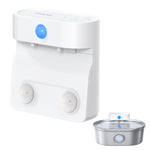
- Use a Water Fountain: Many cats prefer drinking from running water sources. A water fountain can be an excellent investment to encourage hydration.
- Experiment with Bowl Types: Try different materials, such as stainless steel or ceramic, and various sizes to see what your cat prefers.
- Add Water to Food: Mixing water into your cat's wet food can help increase their overall water intake.
- Offer Multiple Water Sources: Place water bowls in different locations around your home to make it easier for your cat to access water.
When to Consult a Veterinarian
If your cat continues to show signs of dehydration despite your efforts, it's essential to seek professional advice. A veterinarian can assess your cat's health and determine if an underlying medical condition is causing the issue. Symptoms that warrant a vet visit include:
- Lethargy or weakness
- Dry gums or sticky saliva
- Reduced appetite
- Decreased urination or dark-colored urine
Early intervention can prevent complications and ensure your cat receives the necessary care.
Preventing Dehydration in Cats
Prevention is always better than cure. Here are some tips to keep your cat hydrated and healthy:
- Monitor Water Intake: Keep an eye on how much water your cat drinks daily. This can help you spot any changes in their drinking habits.
- Encourage Play and Exercise: Physical activity can stimulate thirst and encourage your cat to drink more water.
- Maintain a Balanced Diet: Wet food contains more moisture than dry food, making it a great option for keeping your cat hydrated.
- Create a Stress-Free Environment: Minimize changes in your cat's routine and provide a calm, comfortable space for them to relax.
Ensuring your cat drinks enough water is vital for their well-being. By understanding the reasons behind their low water intake and implementing practical solutions, you can help your feline friend stay hydrated and healthy. Remember, a hydrated cat is a happy cat!