Have you ever noticed your old cat staring intently at its water bowl but not taking a sip? This peculiar behavior can be both puzzling and concerning for pet owners. While it might seem like a minor quirk, it could indicate underlying health issues or changes in your cat's habits. Understanding why your senior feline is behaving this way is crucial for ensuring their well-being.
Why Is My Old Cat Looking at Water but Not Drinking?
There are several reasons why an older cat might look at water without drinking it. One common explanation is that they are experiencing dental problems. As cats age, they may develop tooth decay, gum disease, or other oral health issues that make drinking water uncomfortable. If your cat associates pain with drinking, they might avoid it altogether, even if they are thirsty.
Another possibility is that your cat is suffering from kidney disease, a common ailment in older felines. Kidney issues can lead to dehydration, but the cat might still avoid drinking due to nausea or a lack of appetite. Additionally, changes in their sense of smell or taste could make water less appealing, especially if it has been sitting out for too long.
Behavioral Changes in Senior Cats
As cats age, their behavior often changes. An old cat looking at water but not drinking could simply be a sign of cognitive decline. Senior cats may become forgetful or confused, leading to unusual habits like staring at their water bowl without drinking. Stress or anxiety can also play a role, especially if there have been recent changes in their environment, such as a move or the introduction of a new pet.
It's also worth considering whether your cat is getting enough hydration from other sources. Cats that eat wet food may drink less water because they are already consuming moisture through their meals. However, this doesn't mean you should ignore the behavior, as it could still signal an underlying issue.
How to Encourage Your Cat to Drink More Water
If your old cat is looking at water but not drinking, there are several steps you can take to encourage hydration. First, ensure that their water bowl is clean and filled with fresh water daily. Cats are sensitive to the taste and smell of water, so stagnant or contaminated water might deter them from drinking.
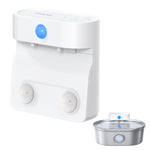
Consider using a water fountain designed for pets. Many cats are attracted to moving water, and a fountain can make drinking more appealing. You can also try offering water in different types of bowls, such as ceramic or stainless steel, to see if your cat has a preference.
Adding a small amount of low-sodium broth to their water can also make it more enticing. However, avoid using milk or dairy products, as many cats are lactose intolerant. If your cat is still not drinking, consult your veterinarian to rule out any medical conditions.
When to Seek Veterinary Help
While occasional changes in behavior are normal, persistent refusal to drink water is a cause for concern. Dehydration can lead to serious health problems, especially in older cats. If your cat is also showing signs of lethargy, weight loss, or changes in urination, it's essential to seek veterinary care immediately.
Your vet can perform a thorough examination to determine the cause of your cat's behavior. They may recommend blood tests, urine analysis, or dental exams to identify any underlying issues. Early intervention can make a significant difference in managing your cat's health and ensuring they stay hydrated.
Preventing Dehydration in Senior Cats
Prevention is always better than cure, especially when it comes to your cat's health. To prevent dehydration, monitor your cat's water intake regularly and make adjustments as needed. If your cat prefers wet food, consider incorporating it into their diet to boost their hydration levels.
Keep an eye on their behavior and look for signs of dehydration, such as dry gums, sunken eyes, or reduced skin elasticity. Providing multiple water sources around your home can also encourage your cat to drink more. Remember, a well-hydrated cat is a healthy and happy cat.
If you've noticed your old cat looking at water but not drinking, don't ignore this behavior. It could be a sign of a deeper issue that requires attention. By understanding the possible causes and taking proactive steps, you can ensure your feline companion stays hydrated and healthy for years to come. Your cat's well-being is worth the effort, and addressing this behavior early can prevent more serious problems down the line.