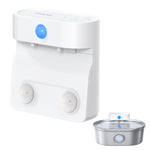
Smart soap dispensers have become a staple in modern homes, offering convenience and hygiene with their touchless operation. However, like any electronic device, they can sometimes malfunction. If your smart soap dispenser is not working, it can be frustrating, but there are several common issues and solutions you can explore before considering a replacement.
Common Reasons Why Your Smart Soap Dispenser Might Not Be Working
Understanding the root cause of the problem is the first step in fixing your smart soap dispenser. Here are some of the most common reasons why it might not be functioning properly:
- Battery Issues: Most smart soap dispensers are battery-operated. If the batteries are dead or not properly installed, the dispenser won't work. Always check the battery compartment to ensure the batteries are in good condition and correctly placed.
- Clogged Nozzle: Over time, soap residue can build up in the dispenser's nozzle, causing it to clog. This can prevent the soap from being dispensed. Regular cleaning of the nozzle can help prevent this issue.
- Sensor Problems: The infrared sensor is a critical component of a smart soap dispenser. If the sensor is dirty or malfunctioning, it may not detect your hand, and the dispenser won't release soap. Cleaning the sensor with a soft cloth can often resolve this issue.
- Low Soap Levels: If the soap level in the dispenser is too low, it may not be able to pump the soap out effectively. Always ensure that the dispenser is adequately filled with soap.
- Mechanical Failure: In some cases, the internal mechanism of the dispenser may fail. This could be due to wear and tear or a manufacturing defect. If this is the case, you may need to contact the manufacturer for a replacement or repair.
Step-by-Step Troubleshooting Guide
If your smart soap dispenser is not working, follow these steps to diagnose and potentially fix the issue:
- Check the Batteries: Start by checking the batteries. Remove them and inspect for any signs of corrosion. If the batteries are dead, replace them with new ones. Make sure they are installed correctly, following the polarity markings.
- Clean the Nozzle: If the dispenser is not dispensing soap, the nozzle might be clogged. Remove the nozzle and rinse it under warm water to remove any soap residue. Use a small brush or toothpick to clear any stubborn clogs.
- Clean the Sensor: Wipe the infrared sensor with a soft, dry cloth to remove any dirt or smudges that might be interfering with its operation. Avoid using harsh chemicals or abrasive materials that could damage the sensor.
- Refill the Soap: Ensure that the dispenser is filled with soap. If the soap level is low, add more soap and test the dispenser again. Some dispensers have a minimum fill line, so make sure you don't underfill it.
- Reset the Dispenser: Some smart soap dispensers have a reset button or a specific reset procedure. Consult the user manual to see if this is an option for your model. Resetting the dispenser can often resolve minor software glitches.
- Inspect for Mechanical Issues: If none of the above steps work, there may be a mechanical issue with the dispenser. Check for any visible signs of damage or wear. If you suspect a mechanical failure, it's best to contact the manufacturer for further assistance.
Preventive Maintenance Tips
To keep your smart soap dispenser in good working condition, follow these preventive maintenance tips:
- Regular Cleaning: Clean the nozzle and sensor regularly to prevent clogs and ensure accurate detection. Use a soft cloth and mild detergent if necessary.
- Battery Replacement: Replace the batteries as soon as you notice a decrease in performance. Using high-quality batteries can also extend the life of your dispenser.
- Proper Soap Usage: Use the recommended type of soap for your dispenser. Some soaps may be too thick or contain ingredients that can clog the nozzle or damage the internal mechanism.
- Storage: If you're not going to use the dispenser for an extended period, remove the batteries and store it in a cool, dry place. This can prevent battery leakage and other issues.
When to Consider a Replacement
While many issues with smart soap dispensers can be resolved with troubleshooting and maintenance, there are times when a replacement might be the best option. If your dispenser is old, has been repaired multiple times, or is no longer functioning despite your best efforts, it may be time to invest in a new one. Newer models often come with improved features and better reliability, making them a worthwhile upgrade.
Smart soap dispensers are designed to make your life easier, but when they stop working, it can be a real inconvenience. By understanding the common issues and following the troubleshooting steps outlined in this article, you can often get your dispenser back in working order. Regular maintenance and proper usage can also help prevent future problems. If all else fails, consider replacing your dispenser with a newer model to enjoy the benefits of touchless hygiene once again.