A two-bowl feeder can make daily feeding easier, but the best setup depends on who will use each bowl. One pet may need separate bowls for two foods, while a two-pet household may want both animals to eat at the same time. Those are different jobs, and a feeder that works well for one does not automatically solve the other.
This guide explains how to choose and use a two-bowl pet feeder for cats, dogs, and multi-pet homes. It covers bowl layout, food safety, cleaning, portion tracking, and the signs that pets should be fed farther apart rather than side by side.

What Is a Two-Bowl Pet Feeder?
A two-bowl feeder is simply a feeding station with two separate bowls. The bowls may sit in one base, open on a schedule, or operate with separate temperature settings. Depending on the household, the two bowls can be used for:
- two pets eating at the same scheduled time;
- wet and dry food served separately;
- two portions or recipes that should not be mixed;
- food and water, when the design is intended for both; or
- a main meal and a smaller later meal.
Before buying one, decide exactly what each bowl needs to do. A wide double station may be convenient for two relaxed pets, but it is not a substitute for separate feeding locations when one animal guards food, eats much faster, or needs a prescription diet.
One Pet or Two Pets: Which Setup Do You Need?
For one pet
With one cat or dog, two bowls are useful when you want to keep foods separate. Wet and dry food can have different textures, serving instructions, and cleanup needs. Using one bowl for each also makes it easier to see what the pet actually ate.
A second bowl should not be treated as permission to double the daily portion. Measure the total daily amount according to the food label and your veterinarian’s guidance, then divide it between bowls or meal times as needed.
For two pets
A double feeder may work for two animals that already eat calmly beside each other and have similar meal schedules. Even then, watch the first several meals. One pet may finish early and move to the other bowl, which makes it difficult to track intake and can create tension.
For cats in particular, eating close together is not always a sign that they prefer it. The Feline Veterinary Medical Association feeding guidance recommends adapting feeding locations to the individual household. In homes with competition or intercat tension, separate stations with distance and visual separation are usually more appropriate than two bowls placed side by side.
When a Shared Double Feeder Is Not the Right Choice
Feed pets separately if you notice any of the following:
- staring, blocking, hovering, growling, swatting, or rushing around the bowls;
- one pet regularly abandoning its meal when the other approaches;
- one pet eating both portions;
- large differences in eating speed or calorie needs;
- one pet needing a veterinary or prescription diet;
- unexplained weight gain, weight loss, vomiting, or appetite changes; or
- a cat that only eats when the other animal leaves.
Separation may mean different rooms, a closed door during meals, staggered schedules, or feeding stations placed out of sight of one another. A double feeder can still be useful for one pet, while the second pet uses another station.
Important Features to Compare
1. Bowl size and shape
The bowl should hold the planned portion without being filled to the rim. A shallow, wide bowl may be comfortable for many cats, while larger dogs need enough depth and stability to avoid pushing food onto the floor. Check the usable bowl dimensions rather than judging only by the overall product size.
2. Independent bowl control
If the two sides need different conditions, look for genuinely independent settings. This matters when one serving should remain cool while another is warmed closer to serving time, or when the bowls open on different schedules.
3. Stable construction
A non-slip base and balanced footprint help keep the feeder in place. Stability is especially important if two pets will approach it at once. Place the unit on a flat, dry surface with enough room for each animal to enter and leave without being cornered.
4. Removable, washable food-contact parts
Food bowls should be easy to remove, wash, rinse, and dry. Stainless steel is durable and relatively easy to clean, but it is not self-sanitizing. Food residue, moisture, and biofilm can still accumulate if bowls are not washed after use.
5. A schedule that matches real life
Automatic timing is most useful when it supports the pet’s established routine. Check how many meals can be scheduled, how far ahead the device can be programmed, and what happens during a power interruption. Automatic operation does not remove the need to check food condition and confirm that each pet actually ate.
Food and Water: Together or Separate?
Two bowls can hold food and water, but that is not always the most practical arrangement. Water may splash into dry food, and food crumbs can contaminate the water. Some cats also prefer water in a different location from their meals.
For easier cleaning and better monitoring, many households use the double feeder for food and keep a separate water bowl or cat water fountain nearby in a location the pet already uses comfortably.
Wet Food Safety and Daily Cleaning
Fresh, refrigerated, canned, and pouched foods require more attention than shelf-stable dry food. Follow the storage and serving directions on the package. Do not leave leftovers sitting indefinitely, even if a feeder has a cooling function.
The FDA advises pet owners to promptly refrigerate or discard unused canned and pouched food, keep the refrigerator at 40°F (4°C) or below, and wash and dry food bowls after each use. The FDA also recommends washing hands before and after handling pet food and using a dedicated clean utensil rather than scooping food with the bowl.
A practical routine is:
- Remove uneaten food after the meal or according to the food manufacturer’s instructions.
- Wash removable bowls with hot, soapy water after use.
- Rinse thoroughly and allow parts to dry before reassembly.
- Wipe the feeder base and lid, keeping electrical parts dry.
- Inspect hinges, seals, and bowl edges for trapped residue.
- Deep-clean the unit on the schedule in the product manual.
If you feed raw animal products, use additional care. The FDA warns that raw pet food can carry harmful bacteria. Keep it separate from human food, thaw it safely, clean contact surfaces, and promptly refrigerate or discard leftovers.
How to Track Each Pet’s Portion
The main challenge in a multi-pet home is not filling the bowls; it is knowing who ate what. Measure each portion before serving, observe the meal, and note whether either animal switches bowls. Periodically check body weight and body condition with your veterinary team.
If one pet needs a different calorie level, medication, or therapeutic diet, side-by-side bowls may make accurate tracking impossible. Separate rooms or microchip-controlled access may be safer than relying on supervision alone.
Introducing a New Feeder
Some pets accept a new feeder immediately; others need time to investigate the shape, sound, lid movement, or location. Keep the first introduction simple:
- Place the new feeder near the familiar feeding area while it is turned off.
- Let the pet explore without pressure.
- Offer a familiar food in the open bowl.
- Introduce any lid movement or sound while you are present.
- Use the automatic schedule only after the pet eats comfortably from it.
Do not abruptly remove the familiar bowl if the pet is hesitant. A gradual transition helps you distinguish normal caution from a feeder placement or noise problem.
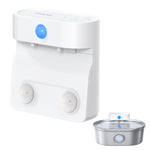
Using the UAHPET Dual-Temperature Fresh Food Feeder

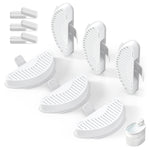
The UAHPET Fresh Food Automatic Pet Feeder uses two stainless steel bowls with independent temperature control. The current product specification lists automatic cooling at 37.4–44.6°F (3–7°C), warming at 78.8–86°F (26–30°C), and scheduling for up to four meals over two days. It uses app-free button controls and removable dishwasher-safe bowls.
Those functions can help households serve two portions or support two pets with compatible routines. They do not guarantee that food remains safe for every recipe or unlimited period. Always follow the pet food label, load the feeder with clean hands and utensils, inspect food before serving, and clean the bowls after use.
Quick Decision Checklist
- Choose a double feeder when one pet needs two separate foods or when two calm pets can eat on the same schedule without competition.
- Use separate feeding stations when pets guard food, steal portions, need different diets, or cannot be monitored accurately.
- Keep water separate if splashing, crumbs, or placement preferences make a combined food-and-water setup inconvenient.
- Prioritize removable bowls and easy cleaning over decorative features.
- Follow food-storage directions even when the feeder offers cooling or warming.
Frequently Asked Questions
Can two cats share a two-bowl feeder?
They can if both cats eat calmly, receive appropriate portions, and do not guard or steal food. If either cat appears tense or intake is hard to track, use feeding stations with more distance and visual separation.
Can I put wet food in one bowl and dry food in the other?
Yes, if the feeder is designed for both foods. Keep the foods separate, follow each package’s storage instructions, remove leftovers promptly, and wash both bowls after use.
Does stainless steel prevent bacteria?
No material removes the need for cleaning. Stainless steel is durable and easy to wash, but residue and microbes can remain on an unwashed bowl.
Can an automatic feeder replace daily checks?
No. Check that the device operated correctly, the food looks and smells normal, and the intended pet consumed the portion. Automatic scheduling supports a routine; it does not replace observation.
Should food and water bowls be side by side?
They can be, but they do not have to be. If water splashes into food or the pet avoids the setup, place water in a separate quiet location.
A good two-bowl setup is the one that makes portions, food condition, cleaning, and each pet’s comfort easier to monitor. Start with the household’s real feeding behavior, then choose the bowl layout and automation level that support it.