Understanding the Importance of Hydration for Dogs
Water is essential for all living beings, and dogs are no exception. Proper hydration ensures that your dog's body functions optimally, from regulating body temperature to aiding digestion and nutrient absorption. When your dog isn't drinking water, it can be a cause for concern, as dehydration can lead to serious health issues. Understanding the reasons behind this behavior and knowing how to address it is crucial for your pet's well-being.
Common Reasons Why Your Dog Isn't Drinking Water
There are several factors that could contribute to your dog's reluctance to drink water. One of the most common reasons is a change in their environment or routine. Dogs are creatures of habit, and any disruption, such as moving to a new home or traveling, can affect their drinking habits. Additionally, the water itself might be the issue. If the water bowl is dirty or the water is stale, your dog may avoid it. Some dogs are also picky about the temperature of the water, preferring it to be cool and fresh.
Another possible reason is stress or anxiety. Just like humans, dogs can experience stress, which can lead to a decrease in appetite and water intake. Illness or pain could also be a factor. If your dog is feeling unwell, they may not feel like drinking water. Dental problems, such as toothaches or gum disease, can make drinking water uncomfortable for your pet. It's important to observe your dog's behavior and look for other signs of illness, such as lethargy, vomiting, or changes in appetite.
Health Risks Associated with Dehydration in Dogs
Dehydration in dogs can have serious consequences if not addressed promptly. When a dog doesn't drink enough water, their body loses essential fluids, leading to a decrease in blood volume and impaired circulation. This can affect vital organs, such as the kidneys and liver, and can even lead to organ failure in severe cases. Dehydration can also cause electrolyte imbalances, which can disrupt normal bodily functions and lead to muscle weakness, seizures, or even coma.
One of the first signs of dehydration is a loss of skin elasticity. You can check for this by gently pinching the skin on the back of your dog's neck. If the skin doesn't snap back quickly, your dog may be dehydrated. Other signs include dry gums, sunken eyes, and a dry nose. If you notice any of these symptoms, it's important to take action immediately to rehydrate your dog and seek veterinary care if necessary.
How to Encourage Your Dog to Drink More Water
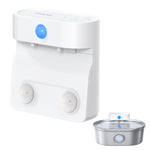
If your dog isn't drinking water, there are several steps you can take to encourage them to hydrate. First, ensure that their water bowl is clean and filled with fresh, cool water. Some dogs prefer running water, so consider using a pet water fountain. You can also try adding ice cubes to the water to make it more appealing. If your dog is reluctant to drink from their bowl, try offering water from your hand or a different container.
Another effective method is to add flavor to the water. You can do this by adding a small amount of low-sodium broth or a few drops of tuna juice. This can make the water more enticing for your dog. Additionally, incorporating wet food into their diet can help increase their water intake, as wet food contains a higher moisture content than dry kibble. If your dog is still not drinking water, consult your veterinarian for further advice and to rule out any underlying health issues.
When to Seek Veterinary Care
While there are many steps you can take at home to encourage your dog to drink water, there are times when professional help is necessary. If your dog shows signs of severe dehydration, such as lethargy, vomiting, or collapse, seek veterinary care immediately. Additionally, if your dog hasn't drunk water for more than 24 hours, it's important to consult your vet. They can perform a thorough examination to determine the underlying cause of your dog's reluctance to drink and provide appropriate treatment.
In some cases, your veterinarian may recommend administering fluids intravenously or subcutaneously to rehydrate your dog quickly. They may also conduct blood tests or other diagnostic procedures to check for any underlying health conditions that could be affecting your dog's hydration. Early intervention is key to preventing serious complications and ensuring your dog's health and well-being.
Preventing Dehydration in Dogs
Prevention is always better than cure, and there are several steps you can take to ensure your dog stays hydrated. Make sure your dog always has access to clean, fresh water, especially during hot weather or after exercise. Monitor their water intake and refill their bowl regularly. If you're going on a trip or spending time outdoors, bring a portable water bowl and plenty of water for your dog.
It's also important to be mindful of your dog's diet. Feeding them a balanced diet that includes wet food can help maintain their hydration levels. Avoid giving your dog salty foods, as these can increase their thirst and lead to dehydration. Regular veterinary check-ups can also help detect any potential health issues early and ensure your dog stays healthy and hydrated.
If you notice any changes in your dog's drinking habits, don't hesitate to take action. Whether it's adjusting their environment, offering different types of water, or seeking veterinary care, addressing the issue promptly can help prevent dehydration and keep your dog happy and healthy.
Your dog's hydration is a vital aspect of their overall health. By understanding the reasons behind their reluctance to drink water and taking proactive steps to encourage hydration, you can ensure your furry friend stays healthy and hydrated. Remember, if you're ever in doubt, consult your veterinarian for guidance and support.