Understanding the Importance of Hydration for Dogs
Water is essential for your dog's overall health and well-being. It aids in digestion, regulates body temperature, and supports vital organ functions. When your dog stops drinking water, it can be a cause for concern. Dehydration in dogs can lead to serious health issues, including kidney failure and even death if left untreated. Recognizing the signs of dehydration and knowing what to do if your dog is not drinking water is crucial for any pet owner.
Signs Your Dog May Be Dehydrated
Before diving into solutions, it's important to identify whether your dog is dehydrated. Common signs include lethargy, dry gums, loss of appetite, and sunken eyes. You can also perform a simple skin elasticity test by gently pulling up on the skin at the back of your dog's neck. If the skin doesn't snap back quickly, your dog may be dehydrated. Another indicator is the color of their urine; dark yellow or amber-colored urine often suggests dehydration.
Possible Reasons Why Your Dog Is Not Drinking Water
There are several reasons why your dog might be avoiding water. Understanding these can help you address the issue more effectively.
Illness or Pain
If your dog is unwell or in pain, they may avoid drinking water. Conditions such as dental issues, throat pain, or gastrointestinal problems can make drinking uncomfortable. If you suspect illness, consult your veterinarian immediately.
Environmental Factors
Changes in the environment, such as moving to a new home or changes in weather, can affect your dog's drinking habits. Dogs are creatures of habit, and any disruption can lead to stress, which may result in reduced water intake.
Water Quality
Dogs can be picky about the taste and smell of their water. If the water is stale or contaminated, your dog may refuse to drink it. Ensure that your dog always has access to fresh, clean water.
Behavioral Issues
Sometimes, behavioral issues can lead to a decrease in water consumption. Anxiety, depression, or even boredom can cause your dog to drink less water than usual.
Steps to Encourage Your Dog to Drink Water
If your dog is not drinking water, there are several steps you can take to encourage them to stay hydrated.
Offer Fresh Water Regularly
Ensure that your dog always has access to fresh, clean water. Change the water in their bowl at least twice a day and clean the bowl regularly to prevent bacteria buildup.
Try Different Water Bowls
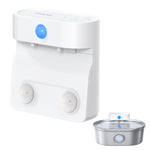
Some dogs prefer certain types of bowls over others. Experiment with different materials, such as stainless steel, ceramic, or plastic, to see which your dog prefers. Additionally, some dogs may prefer a water fountain, as the flowing water can be more appealing.
Add Flavor to the Water
If your dog is reluctant to drink plain water, try adding a splash of low-sodium chicken or beef broth to make it more enticing. You can also try adding ice cubes made from broth to their water bowl.
Wet Food or Water-Rich Treats
Incorporating wet food or water-rich treats into your dog's diet can help increase their water intake. Foods like cucumbers, watermelon, and canned dog food have high water content and can be a good supplement to their hydration.
Monitor and Encourage
Keep an eye on your dog's water intake and encourage them to drink by offering water at regular intervals. Praise them when they drink water to reinforce the behavior.
When to Seek Veterinary Help
While many cases of reduced water intake can be managed at home, there are times when professional help is necessary. If your dog shows signs of severe dehydration, such as vomiting, diarrhea, or extreme lethargy, seek veterinary care immediately. Additionally, if your dog has not drunk water for more than 24 hours, it's crucial to consult your vet. Underlying health issues may require medical intervention, and early diagnosis can prevent complications.
Preventing Dehydration in Dogs
Prevention is always better than cure. Here are some tips to ensure your dog stays hydrated and healthy.
Regular Check-Ups
Regular veterinary check-ups can help identify any underlying health issues that may affect your dog's water intake. Early detection and treatment can prevent dehydration and other related health problems.
Maintain a Consistent Routine
Dogs thrive on routine. Maintaining a consistent schedule for feeding, exercise, and water breaks can help ensure your dog drinks enough water throughout the day.
Provide Multiple Water Sources
Having multiple water bowls around your home can encourage your dog to drink more frequently. This is especially useful in larger homes or if you have multiple pets.
Monitor Water Intake During Exercise
Exercise increases your dog's need for water. Always bring water with you during walks or playtime, and offer it to your dog regularly to prevent dehydration.
Be Mindful of Weather Conditions
Hot weather can increase your dog's risk of dehydration. Ensure they have access to shade and plenty of water during the summer months. Conversely, in cold weather, some dogs may drink less water, so monitor their intake closely.
Long-Term Strategies for Hydration
Ensuring your dog stays hydrated is an ongoing process. Here are some long-term strategies to keep in mind.
Educate Yourself
Stay informed about your dog's specific hydration needs based on their breed, size, and activity level. Some breeds are more prone to dehydration, so understanding their unique requirements can help you take proactive measures.
Invest in Quality Products
Investing in quality water bowls, fountains, and hydration supplements can make a significant difference in your dog's water intake. While we won't mention specific brands, look for products that are easy to clean, durable, and designed with your dog's comfort in mind.
Create a Hydration-Friendly Environment
Make hydration a part of your dog's daily routine. Place water bowls in easily accessible locations and consider using automatic water dispensers to ensure a constant supply of fresh water.
Monitor and Adjust
Regularly monitor your dog's water intake and adjust their hydration strategy as needed. If you notice any changes in their drinking habits, investigate the cause and take appropriate action.
Final Thoughts on Keeping Your Dog Hydrated
Ensuring your dog drinks enough water is vital for their health and happiness. By understanding the reasons behind reduced water intake and taking proactive steps, you can help your dog stay hydrated and avoid potential health issues. Remember, if you're ever in doubt or if your dog shows signs of severe dehydration, don't hesitate to seek veterinary advice. Your furry friend relies on you to keep them healthy, and staying vigilant about their hydration is a key part of that responsibility.