Have you ever noticed your cat crying or meowing before drinking water? This peculiar behavior can leave many cat owners puzzled and concerned. Cats are known for their unique and sometimes enigmatic habits, and this one is no exception. Understanding why your feline friend exhibits this behavior is essential for ensuring their well-being and addressing any underlying issues.
Understanding Feline Communication
Cats communicate in various ways, and vocalizations are a significant part of their language. Meowing, crying, or other sounds can convey different messages depending on the context. When your cat cries before drinking water, it could be their way of expressing discomfort, seeking attention, or signaling a health concern.
Possible Reasons for Crying Before Drinking Water
1. Seeking Attention
One of the most common reasons cats cry before drinking water is to seek attention. Cats are intelligent creatures and quickly learn that vocalizing can get them what they want. If your cat associates crying with receiving attention or a response from you, they may continue this behavior before drinking water.
2. Discomfort or Pain
Crying before drinking water could indicate that your cat is experiencing discomfort or pain. Dental issues, such as tooth decay or gum disease, can make drinking water painful. Additionally, throat or mouth infections can cause discomfort, leading your cat to vocalize their distress.
3. Anxiety or Stress
Cats are sensitive animals, and changes in their environment or routine can cause anxiety or stress. If your cat feels uneasy about their water source or the location of their water bowl, they may cry before drinking. Ensuring a calm and consistent environment can help alleviate this issue.
4. Water Quality or Temperature
Cats are particular about their water. If the water is too cold, too warm, or has an unusual taste or odor, your cat may cry before drinking. Ensuring fresh, clean water at a comfortable temperature can encourage your cat to drink without hesitation.
5. Medical Conditions
Certain medical conditions can cause your cat to cry before drinking water. Kidney disease, diabetes, or urinary tract infections can lead to increased thirst and discomfort, prompting your cat to vocalize. If you suspect a medical issue, consult your veterinarian for a thorough examination.
How to Address Your Cat's Crying Behavior
1. Observe and Monitor
Start by observing your cat's behavior closely. Note when and how often they cry before drinking water. Keep track of any other changes in their behavior, appetite, or litter box habits. This information can be valuable when discussing the issue with your veterinarian.
2. Provide Fresh Water
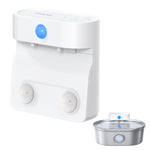
Ensure your cat has access to fresh, clean water at all times. Regularly change the water and clean the water bowl to prevent contamination. Consider using a water fountain, as some cats prefer running water.
3. Check for Dental Issues
If you suspect dental problems, inspect your cat's mouth for signs of redness, swelling, or bad breath. Schedule a dental check-up with your veterinarian to address any potential issues.
4. Create a Calm Environment
Reduce stress and anxiety by creating a calm and comfortable environment for your cat. Place the water bowl in a quiet, accessible location, and avoid sudden changes in their routine.
5. Consult Your Veterinarian
If your cat's crying behavior persists or is accompanied by other symptoms, consult your veterinarian. A thorough examination can help identify any underlying health concerns and ensure your cat receives appropriate treatment.
Preventing Future Issues
Preventing your cat from crying before drinking water involves addressing the root cause of the behavior. By providing a comfortable environment, ensuring fresh water, and monitoring your cat's health, you can help them feel more at ease and reduce the likelihood of this behavior.
Understanding your cat's needs and behaviors is key to fostering a happy and healthy relationship. If your cat cries before drinking water, take the time to investigate and address the issue. With patience and care, you can ensure your feline friend stays hydrated and content.
Curious about other quirky cat behaviors? Explore more insights and tips to better understand and care for your beloved pet. Your cat's well-being is worth every effort, and unraveling their mysteries can strengthen the bond you share.