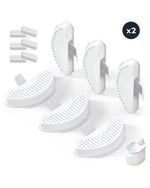
If you've ever watched your dog devour their food in seconds, you know how concerning it can be. Rapid eating can lead to a host of health issues, from choking to bloating. Fortunately, a dog bowl to help slow down eating can be a game-changer for your furry friend's health and happiness.
Why Slow Eating Matters for Dogs
Dogs that eat too quickly are at risk for several health problems. Bloat, a life-threatening condition, can occur when a dog ingests air along with their food. Choking and vomiting are also common issues. Additionally, rapid eating can lead to poor digestion and weight gain. A slow-feeding dog bowl can help mitigate these risks by encouraging your pet to eat at a healthier pace.
Benefits of Using a Slow-Feeding Dog Bowl
Using a dog bowl designed to slow down eating offers numerous benefits. First, it reduces the risk of choking and bloat. Second, it promotes better digestion, allowing your dog to absorb more nutrients from their food. Third, it can help with weight management by preventing overeating. Lastly, it can make mealtime more enjoyable and mentally stimulating for your pet.
Types of Slow-Feeding Dog Bowls
There are several types of slow-feeding dog bowls available, each with its unique design. Some feature raised ridges or mazes that force your dog to navigate around obstacles to reach their food. Others have smaller compartments or sections that limit the amount of food your dog can access at once. The choice of bowl depends on your dog's size, eating habits, and preferences.
How to Choose the Right Slow-Feeding Dog Bowl
When selecting a dog bowl to help slow down eating, consider your dog's size and breed. Larger dogs may require a bowl with more significant obstacles, while smaller dogs might do better with a simpler design. Material is also important; look for durable, non-toxic options that are easy to clean. Additionally, consider the bowl's stability to prevent tipping during mealtime.
Tips for Introducing a Slow-Feeding Bowl
Introducing a new dog bowl can take some time and patience. Start by mixing your dog's regular food with the new bowl to help them get used to the change. Gradually increase the amount of food in the slow-feeding bowl while decreasing the amount in their old bowl. Be patient and offer positive reinforcement to encourage your dog to adapt to their new eating routine.
Common Mistakes to Avoid
One common mistake is choosing a bowl that's too complicated for your dog, leading to frustration and refusal to eat. Another mistake is not cleaning the bowl regularly, which can lead to bacterial growth. Ensure the bowl is appropriate for your dog's size and eating habits, and maintain proper hygiene to keep your pet healthy.
FAQs About Slow-Feeding Dog Bowls
Q: Can all dogs use a slow-feeding bowl?
A: Most dogs can benefit from a slow-feeding bowl, but it's essential to choose one that suits your dog's size and eating habits.
Q: How do I clean a slow-feeding dog bowl?
A: Most slow-feeding bowls are dishwasher safe, but always check the manufacturer's instructions for cleaning recommendations.
Q: Will my dog adjust to a slow-feeding bowl?
A: Most dogs adapt quickly, but some may need time and patience to get used to the new bowl.
Investing in a dog bowl to help slow down eating is one of the best decisions you can make for your pet's health. Not only does it reduce the risk of serious health issues, but it also makes mealtime more enjoyable and mentally stimulating for your furry friend. Start exploring your options today and give your dog the gift of a healthier, happier life.