





Is your dog avoiding the water bowl? It’s a common concern for pet owners, but understanding the reasons behind this behavior can help you address it effectively. Dogs, like humans, need adequate hydration to stay healthy. When a dog doesn’t like drinking water, it can lead to serious health issues. This article explores the causes of this behavior and provides actionable solutions to ensure your dog stays hydrated.
Why Is Water Important for Dogs?
Water is essential for every living being, and dogs are no exception. It plays a crucial role in digestion, circulation, and temperature regulation. Without enough water, dogs can suffer from dehydration, which may lead to kidney problems, urinary tract infections, and even organ failure. Ensuring your dog drinks enough water is vital for their overall well-being.
Common Reasons Why a Dog Doesn’t Like Drinking Water
There are several reasons why your dog might be avoiding water. Identifying the cause is the first step toward solving the problem.
1. Health Issues
Underlying health problems can make drinking water uncomfortable for your dog. Dental issues, such as gum disease or toothaches, can cause pain when drinking. Similarly, gastrointestinal problems or nausea might make your dog reluctant to consume water. If you suspect a health issue, consult your veterinarian immediately.
2. Unappealing Water Source
Dogs are sensitive to the taste and smell of water. If the water bowl is dirty or the water is stale, your dog might refuse to drink. Additionally, some dogs are picky about the type of bowl used. Plastic bowls, for instance, can retain odors that deter dogs from drinking.
3. Environmental Stress
Changes in the environment, such as moving to a new home or the presence of unfamiliar people or animals, can stress your dog. Stress can reduce their appetite and thirst, leading to decreased water intake.
4. Lack of Exercise
Dogs that don’t get enough physical activity may not feel thirsty. Exercise stimulates thirst, so a sedentary lifestyle could be a contributing factor.
5. Behavioral Issues
Some dogs develop behavioral quirks that make them avoid water. This could be due to past negative experiences, such as being scolded for spilling water or drinking from an inappropriate source.
How to Encourage Your Dog to Drink More Water
If your dog doesn’t like drinking water, there are several strategies you can try to increase their intake.
1. Provide Fresh, Clean Water
Ensure your dog always has access to fresh, clean water. Change the water in their bowl at least twice a day and clean the bowl regularly to remove any residue or odors.
2. Experiment with Different Bowls
Try using different types of bowls to see which one your dog prefers. Stainless steel or ceramic bowls are often better than plastic ones, as they are easier to clean and don’t retain odors.
3. Add Flavor to the Water
Some dogs are more inclined to drink water if it has a mild flavor. You can add a small amount of low-sodium broth or a splash of their favorite juice to make the water more appealing.
4. Use a Water Fountain
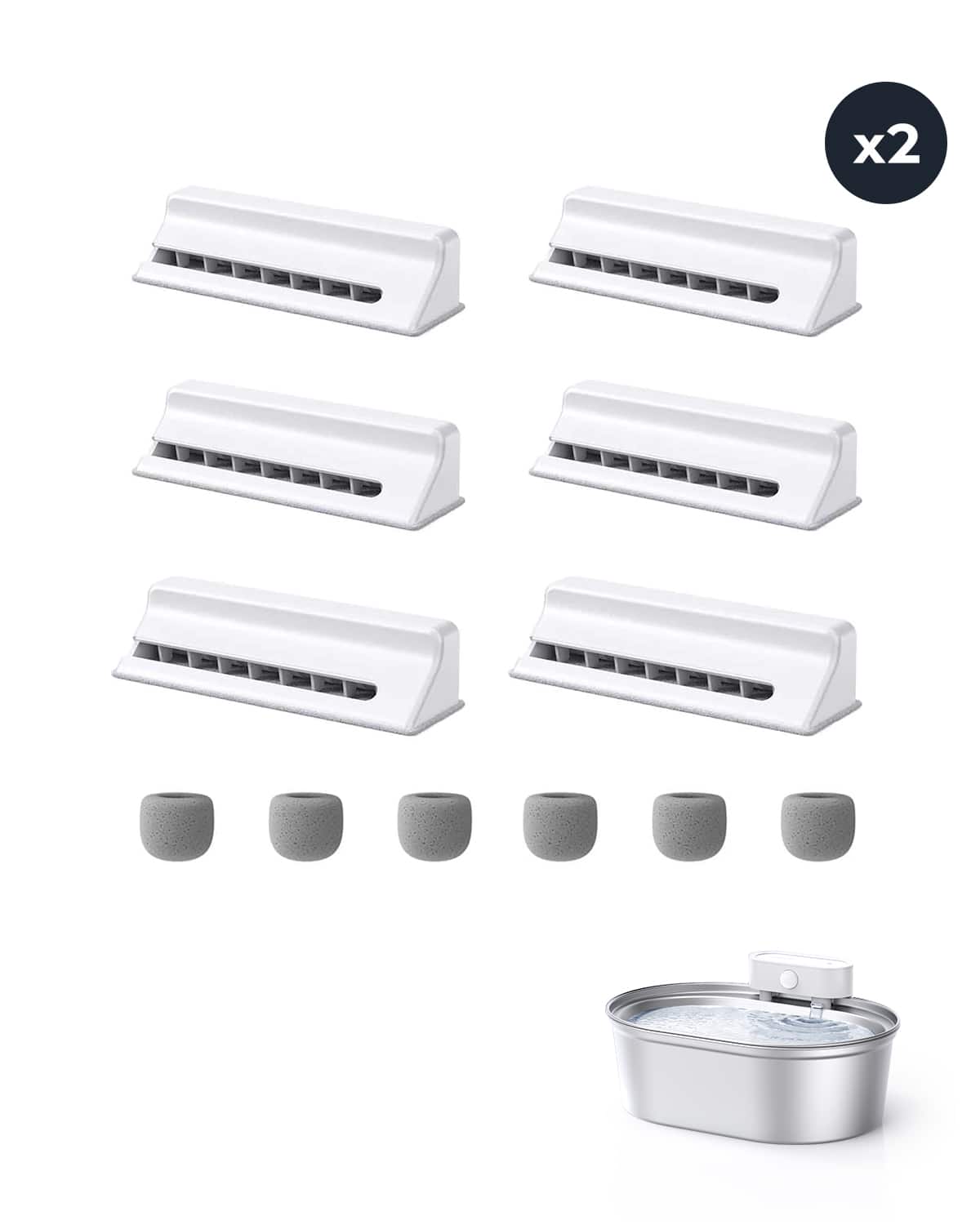
Many dogs are attracted to running water. A pet water fountain can entice your dog to drink more, as the flowing water is often more appealing than stagnant water in a bowl.
5. Incorporate Water into Their Diet
If your dog is reluctant to drink water, consider adding moisture to their diet. Wet food or adding water to their dry kibble can help increase their overall water intake.
6. Encourage Exercise
Regular physical activity can stimulate your dog’s thirst. Take your dog for walks, play fetch, or engage in other activities that get them moving.
7. Monitor Their Water Intake
Keep an eye on how much water your dog is drinking. If you notice a significant decrease in their intake, it could be a sign of an underlying issue that requires veterinary attention.
When to Seek Veterinary Help
If your dog continues to avoid water despite your efforts, it’s important to consult a veterinarian. Persistent refusal to drink water can be a symptom of a serious health problem. Your vet can perform a thorough examination to rule out any medical conditions and provide guidance on how to address the issue.
Ensuring your dog stays hydrated is crucial for their health and happiness. By understanding the reasons behind their reluctance to drink water and implementing the right strategies, you can help your furry friend maintain proper hydration levels. Don’t let a dry water bowl be a cause for concern—take action today to keep your dog healthy and hydrated.




