






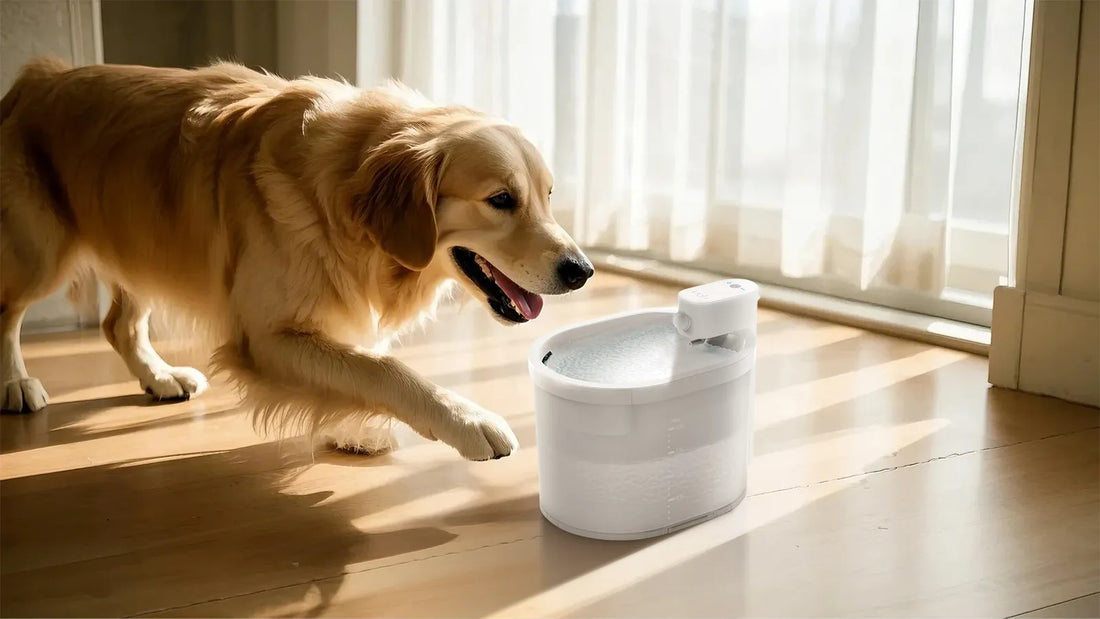
When your dog is lethargic, not eating, but still drinking water, it can be a cause for concern. This behavior often signals an underlying issue that requires attention. Understanding the possible causes and knowing how to respond can make a significant difference in your dog's health and well-being.
Common Causes of Lethargy and Loss of Appetite in Dogs
There are several reasons why your dog might be lethargic and not eating but still drinking water. Some of the most common causes include:
- Illness or Infection: Dogs, like humans, can become lethargic and lose their appetite when they are sick. Infections, whether bacterial or viral, can cause these symptoms.
- Dental Problems: Painful dental issues, such as tooth decay or gum disease, can make it difficult for your dog to eat, leading to a loss of appetite.
- Stress or Anxiety: Changes in the environment, such as moving to a new home or the addition of a new pet, can cause stress and anxiety in dogs, leading to lethargy and a lack of interest in food.
- Gastrointestinal Issues: Problems with the digestive system, such as an upset stomach or intestinal blockage, can cause your dog to feel unwell and refuse food.
- Medication Side Effects: Certain medications can have side effects that include lethargy and a decreased appetite.
When to Seek Veterinary Care
While some cases of lethargy and loss of appetite may resolve on their own, it's important to know when to seek veterinary care. If your dog exhibits any of the following symptoms, it's time to consult a veterinarian:
- Persistent lethargy lasting more than 24 hours
- Vomiting or diarrhea
- Signs of pain, such as whining or limping
- Changes in behavior, such as aggression or withdrawal
- Visible signs of illness, such as coughing or sneezing
Early intervention can prevent more serious health issues and ensure your dog receives the appropriate treatment.
How to Help Your Dog Recover
If your dog is lethargic and not eating but still drinking water, there are several steps you can take to help them recover:
- Monitor Their Water Intake: Ensure your dog continues to drink water to stay hydrated. Dehydration can worsen their condition.
- Offer Small, Frequent Meals: Instead of offering large meals, try giving your dog small portions of food throughout the day. This can be easier on their digestive system.
- Provide a Comfortable Environment: Create a quiet, comfortable space for your dog to rest and recover. Reduce stress by maintaining a calm atmosphere.
- Encourage Gentle Exercise: Light exercise, such as a short walk, can help stimulate your dog's appetite and improve their mood.
- Consult Your Veterinarian: If your dog's condition does not improve or worsens, seek professional advice. Your veterinarian can perform diagnostic tests to determine the underlying cause and recommend appropriate treatment.
Preventing Future Episodes
Preventing future episodes of lethargy and loss of appetite in your dog involves maintaining their overall health and well-being. Here are some tips to keep your dog healthy:
- Regular Veterinary Check-ups: Routine check-ups can help detect and address health issues before they become serious.
- Balanced Diet: Provide a balanced diet that meets your dog's nutritional needs. Avoid feeding them table scraps or foods that could upset their stomach.
- Dental Care: Regular dental care, including brushing your dog's teeth and providing dental chews, can prevent dental problems.
- Exercise and Mental Stimulation: Ensure your dog gets regular exercise and mental stimulation to keep them physically and mentally healthy.
- Stress Management: Minimize stress by maintaining a consistent routine and providing a safe, comfortable environment for your dog.
By taking these preventive measures, you can help ensure your dog remains healthy and happy.
If your dog is lethargic, not eating, but still drinking water, it's essential to take action promptly. Understanding the potential causes and knowing how to respond can help your furry friend recover quickly. Remember, early intervention is key to preventing more serious health issues. Always consult your veterinarian if you have concerns about your dog's health.


