



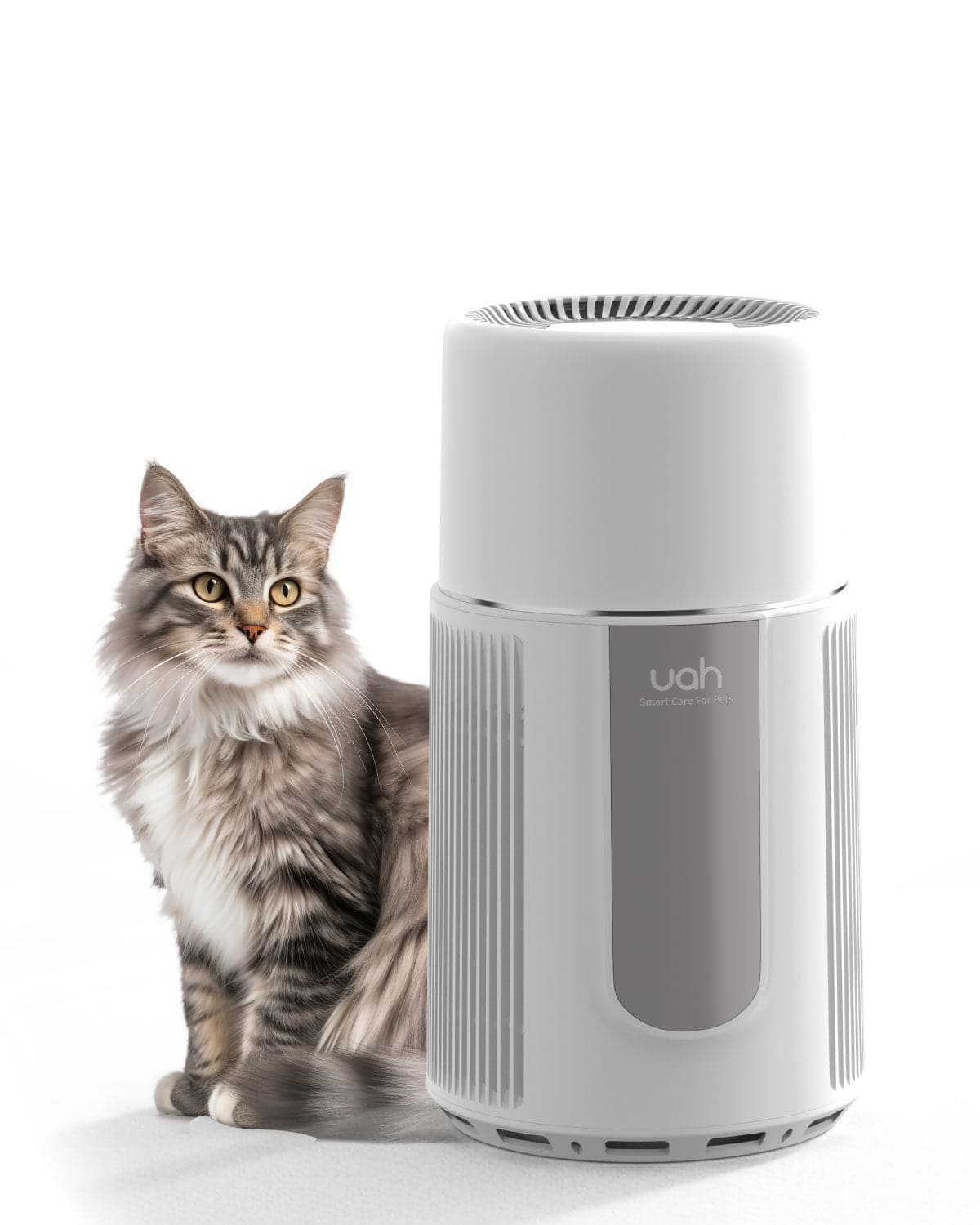


Choosing the best cat litter for a self-cleaning litter box can significantly enhance your pet care routine. With the right litter, you can ensure that your cat remains comfortable while maintaining a clean and odor-free environment. This guide will walk you through the key considerations and provide insights into making the best choice for your furry companion.
Understanding Self-Cleaning Litter Boxes
Self-cleaning litter boxes are designed to automate the process of waste removal, making it easier for pet owners to maintain hygiene. These devices typically use sensors or timers to detect when your cat has used the box and then proceed to sift or rake the litter to remove clumps. The efficiency of these systems heavily depends on the type of cat litter used.
Key Features to Look for in Cat Litter
When selecting cat litter for a self-cleaning litter box, several features should be taken into account:
- Clumping Ability: The litter should form firm clumps that can be easily separated by the cleaning mechanism.
- Low Dust: Dust can interfere with the sensors and mechanisms of the litter box, so opt for low-dust options.
- Odor Control: Effective odor control is essential to keep your home smelling fresh.
- Non-Tracking: Litter that minimizes tracking will help keep your floors clean.
- Compatibility: Ensure the litter is compatible with your specific self-cleaning litter box model.
Types of Cat Litter
There are several types of cat litter available, each with its own set of advantages and disadvantages:
Clay-Based Litter
Clay-based litter is one of the most common types. It is known for its excellent clumping ability and odor control. However, it can be dusty and may not be the most environmentally friendly option.
Silica Gel Litter
Silica gel litter is highly absorbent and offers superior odor control. It is also low-dust and lightweight. However, it can be more expensive and may not clump as well as clay-based litter.
Biodegradable Litter
Biodegradable litter, made from materials like corn, wheat, or recycled paper, is an eco-friendly option. It is generally low-dust and can be composted. However, it may not clump as effectively as other types.
Pine or Wood-Based Litter
Pine or wood-based litter is another eco-friendly choice. It has natural odor control properties and is biodegradable. However, it may not be as effective at clumping and can have a distinct scent that some cats may not like.
Factors to Consider When Choosing Cat Litter
When selecting the best cat litter for a self-cleaning litter box, consider the following factors:
Your Cat's Preferences
Cats can be particular about their litter. Observe your cat's behavior to determine which type they prefer. Some cats may avoid certain textures or scents.
Health Considerations
If your cat has respiratory issues, opt for low-dust or dust-free litter. Additionally, ensure the litter is non-toxic and safe for your pet.
Environmental Impact
If you are environmentally conscious, consider biodegradable or eco-friendly litter options. These can be composted or disposed of in an environmentally responsible manner.
Cost
While it's important to choose high-quality litter, also consider your budget. Some types of litter may be more expensive but offer better performance and longevity.
Maintenance Tips for Self-Cleaning Litter Boxes
To ensure your self-cleaning litter box functions optimally, follow these maintenance tips:
- Regular Cleaning: Even with a self-cleaning system, it's important to regularly clean the litter box to prevent buildup and maintain hygiene.
- Monitor Litter Levels: Keep the litter at the recommended level to ensure the cleaning mechanism works effectively.
- Replace Filters: If your litter box has odor control filters, replace them as needed to maintain freshness.
- Check for Malfunctions: Regularly inspect the litter box for any signs of malfunction and address issues promptly.
Common Mistakes to Avoid
When using a self-cleaning litter box, avoid these common mistakes:
- Using the Wrong Litter: Not all litters are compatible with self-cleaning systems. Using the wrong type can lead to clogs or malfunctions.
- Overfilling the Box: Overfilling can interfere with the cleaning mechanism and reduce efficiency.
- Neglecting Maintenance: Even self-cleaning litter boxes require regular maintenance to function properly.
- Ignoring Your Cat's Preferences: If your cat doesn't like the litter, they may avoid using the box, leading to accidents.
Benefits of Using the Best Cat Litter for Self-Cleaning Litter Boxes
Using the right cat litter for your self-cleaning litter box offers several benefits:
- Improved Hygiene: The right litter ensures effective waste removal, maintaining a clean environment.
- Odor Control: High-quality litter helps control odors, keeping your home smelling fresh.
- Convenience: Self-cleaning litter boxes reduce the need for daily scooping, saving you time and effort.
- Comfort for Your Cat: The right litter provides a comfortable and appealing surface for your cat to use.
Final Thoughts
Selecting the best cat litter for a self-cleaning litter box is crucial for maintaining a clean and comfortable environment for your cat. By considering factors such as clumping ability, dust levels, odor control, and your cat's preferences, you can make an informed decision that benefits both you and your furry friend. Remember to regularly maintain your litter box to ensure it functions optimally and provides the best experience for your pet.





