





Have you ever noticed your cat coughing after drinking water? While it might seem like a minor issue, this behavior can be a sign of underlying health concerns. Understanding why your cat coughs after drinking is essential to ensure their well-being. In this article, we’ll explore the possible causes, symptoms to monitor, and practical solutions to address this issue.
Why Does My Cat Cough After Drinking?
Cats are known for their grooming habits and meticulous behavior, but coughing after drinking water is not typical. This behavior can be caused by several factors, ranging from harmless to serious. Let’s delve into the most common reasons:
1. Drinking Too Quickly
One of the most common reasons cats cough after drinking is simply drinking too fast. When a cat gulps water quickly, it can accidentally inhale some of the liquid, leading to coughing. This is similar to how humans might choke or cough if they drink too rapidly.
2. Respiratory Infections
Respiratory infections, such as feline herpesvirus or calicivirus, can cause coughing in cats. These infections often lead to inflammation in the throat and airways, making it difficult for your cat to swallow water without coughing.
3. Allergies
Just like humans, cats can suffer from allergies. Allergic reactions to dust, pollen, or even certain types of food can cause throat irritation, leading to coughing after drinking.
4. Foreign Objects
If your cat has accidentally ingested a foreign object, such as a piece of string or a small toy, it could cause irritation in their throat or esophagus. This irritation might trigger coughing, especially after drinking water.
5. Dental Issues
Dental problems, such as gum disease or tooth infections, can make it painful for your cat to swallow. This discomfort can result in coughing after drinking as your cat tries to alleviate the pain.
6. Heart or Lung Conditions
In some cases, coughing after drinking can be a symptom of more serious conditions, such as heart disease or lung issues. These conditions can cause fluid buildup in the lungs, leading to coughing when your cat drinks water.
Symptoms to Watch For
While occasional coughing after drinking might not be a cause for concern, persistent or severe coughing should not be ignored. Here are some symptoms to monitor:
- Frequent coughing or gagging
- Difficulty breathing or wheezing
- Loss of appetite or weight loss
- Lethargy or reduced activity levels
- Nasal discharge or sneezing
- Swelling around the throat or neck
If you notice any of these symptoms, it’s important to consult your veterinarian for a thorough examination.
How to Help Your Cat
If your cat coughs after drinking, there are several steps you can take to address the issue and ensure their comfort:
1. Slow Down Their Drinking
To prevent your cat from drinking too quickly, consider using a shallow water dish or a slow feeder bowl. These tools can help regulate the pace at which your cat drinks, reducing the risk of coughing.
2. Keep Their Environment Clean
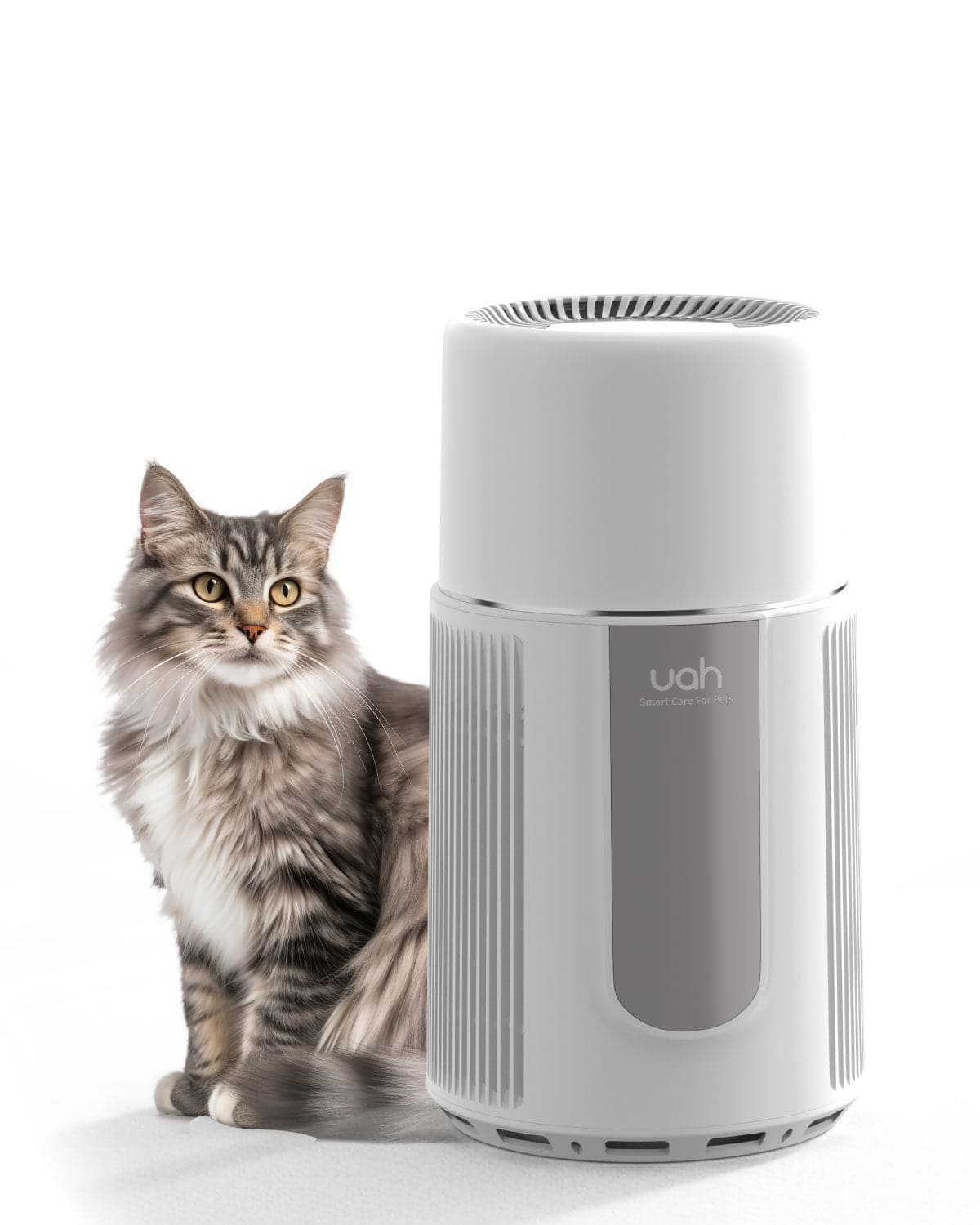
If allergies are suspected, ensure your cat’s environment is free from dust, mold, and other allergens. Regularly clean their bedding, toys, and litter box to minimize exposure to irritants.
3. Monitor Their Diet
Certain foods can trigger allergic reactions or throat irritation in cats. If you suspect a dietary issue, consult your veterinarian to determine the best diet for your feline friend.
4. Address Dental Problems
Regular dental check-ups are essential to prevent and treat dental issues that could cause coughing. Brush your cat’s teeth regularly and provide dental treats or toys to promote oral health.
5. Seek Veterinary Care
If your cat’s coughing persists or is accompanied by other symptoms, it’s crucial to seek professional help. Your veterinarian can perform diagnostic tests to identify the underlying cause and recommend appropriate treatment.
Preventing Future Issues
Prevention is always better than cure. Here are some tips to reduce the likelihood of your cat coughing after drinking:
- Provide fresh, clean water at all times
- Use a water fountain to encourage slower drinking
- Keep your cat’s living space free from allergens and irritants
- Schedule regular veterinary check-ups
- Maintain a healthy diet and exercise routine for your cat
By taking these preventive measures, you can help ensure your cat stays healthy and avoids coughing episodes after drinking.
Your cat’s health and comfort are paramount. If you notice your cat coughing after drinking, don’t ignore it. Take the necessary steps to identify the cause and provide the care they need. With the right approach, you can help your feline friend live a happy, cough-free life.