





If you've noticed your cat drinking a lot of water recently, you might be wondering if this is normal or a cause for concern. While cats are naturally less thirsty than other pets, a sudden increase in water intake can signal underlying health issues. Understanding the reasons behind this behavior is crucial for ensuring your feline friend's well-being.
Why Cats Drink Water
Cats, by nature, have a low thirst drive. This trait stems from their ancestors, who lived in arid environments and obtained most of their moisture from prey. Domestic cats still retain this characteristic, which is why they often drink less water compared to dogs or humans. However, certain factors can influence their water consumption, including diet, activity level, and environmental conditions.
Normal vs. Excessive Water Intake
Determining whether your cat is drinking too much water can be tricky. On average, a healthy cat consumes about 3.5 to 4.5 ounces of water per 5 pounds of body weight daily. If your cat is drinking significantly more than this, it could indicate a problem. Keep an eye on their water bowl and litter box habits to gauge any changes.
Potential Causes of Increased Thirst
Several factors can lead to a cat drinking a lot of water. These include:
- Diet: Dry food lacks moisture, so cats on a dry diet may drink more water to compensate.
- Hot Weather: Just like humans, cats may drink more water during warmer months to stay hydrated.
- Increased Activity: A more active cat may need more water to replenish lost fluids.
- Medical Conditions: Conditions such as diabetes, kidney disease, or hyperthyroidism can cause excessive thirst.
When to Consult a Veterinarian
If your cat's increased water intake is accompanied by other symptoms like weight loss, lethargy, or changes in appetite, it's time to visit the vet. Early diagnosis of potential health issues can make a significant difference in treatment outcomes. Your veterinarian may perform blood tests, urine analysis, or other diagnostic procedures to determine the cause.
How to Monitor Your Cat's Water Intake
Keeping track of how much water your cat drinks can help you identify any abnormalities. Measure the amount of water you pour into their bowl and check how much is left after 24 hours. Additionally, observe their behavior around the water bowl and note any changes in frequency or duration of drinking.
Tips to Encourage Healthy Hydration
Ensuring your cat stays properly hydrated is essential for their health. Here are some tips to help:
- Provide Fresh Water: Always ensure your cat has access to clean, fresh water.
- Use Multiple Water Bowls: Place bowls in different areas of your home to encourage drinking.
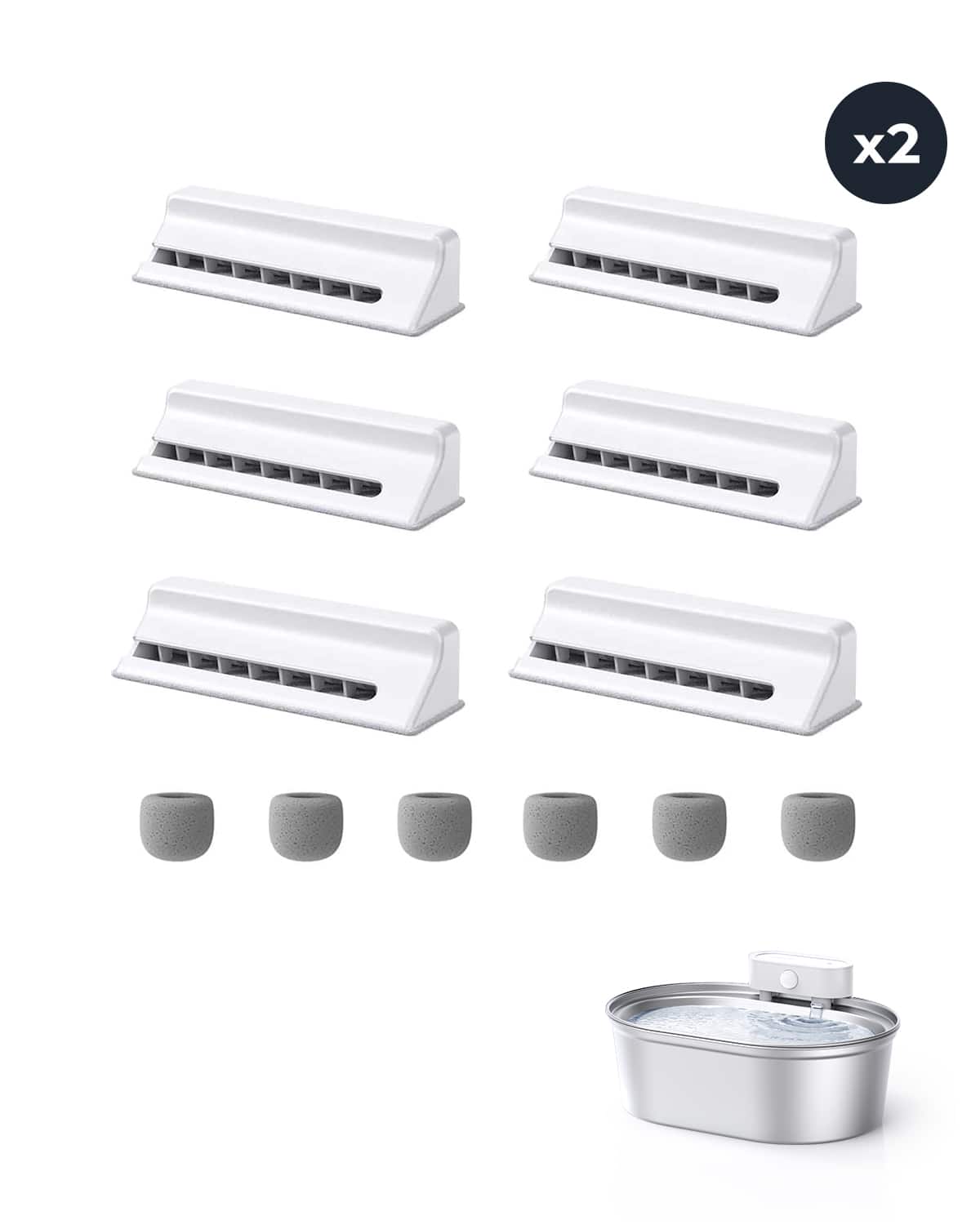
- Consider a Water Fountain: Some cats prefer running water, and a fountain can entice them to drink more.
- Incorporate Wet Food: Adding wet food to their diet can increase their overall moisture intake.
Common Myths About Cats and Water
There are several misconceptions about cats and their drinking habits. One common myth is that cats don't need much water because they get enough from their food. While this may be true for cats on a wet food diet, those eating dry food require additional water. Another myth is that all cats dislike water. While many cats avoid getting wet, some enjoy playing with or drinking from running water sources.
The Role of Hydration in Feline Health
Proper hydration is vital for maintaining your cat's overall health. Water supports essential bodily functions, including digestion, circulation, and temperature regulation. Dehydration can lead to serious health issues, so it's important to ensure your cat is drinking enough water, especially during hot weather or illness.
Preventing Dehydration in Cats
Dehydration can be dangerous for cats, so it's crucial to take preventive measures. Signs of dehydration include dry gums, lethargy, and loss of skin elasticity. If you suspect your cat is dehydrated, offer them water immediately and consult your veterinarian if symptoms persist.
Understanding Your Cat's Unique Needs
Every cat is different, and their water needs can vary based on factors like age, weight, and health status. Paying attention to your cat's individual habits and preferences can help you provide the best care possible. Regular veterinary check-ups are also essential for monitoring their health and addressing any concerns.
If your cat is drinking a lot of water, don't ignore it. While it might be a harmless change, it could also be a sign of something more serious. By staying informed and proactive, you can ensure your feline companion stays happy and healthy for years to come.