When it comes to keeping our feline friends healthy, hydration is key. Cats are notorious for being picky drinkers, which is why many pet owners invest in water fountains to encourage them to drink more. However, what happens when the very device designed to keep your cat hydrated becomes a source of illness? The presence of slime in water fountains can pose serious health risks to your cat, and understanding how to prevent and address this issue is crucial for every pet owner.
Slime in water fountains is often caused by the buildup of bacteria, algae, or mold. These microorganisms thrive in moist environments, and if the fountain is not cleaned regularly, they can multiply rapidly. When your cat drinks from a contaminated fountain, it can ingest harmful bacteria, leading to a range of health problems. Symptoms of illness in cats caused by slime in water fountains may include vomiting, diarrhea, lethargy, and even more severe conditions like kidney infections or urinary tract issues.
How Slime Forms in Water Fountains
Understanding how slime forms in water fountains is the first step in preventing it. The combination of water, warmth, and organic matter creates an ideal breeding ground for bacteria and algae. Food particles, saliva, and even dust can contribute to the growth of slime. Additionally, if the fountain is placed in a sunny area, the heat can accelerate the growth of algae, making the problem worse.
Health Risks for Cats
The health risks associated with slime in water fountains should not be underestimated. Cats are particularly vulnerable to bacterial infections because their immune systems are not as robust as those of other animals. Ingesting contaminated water can lead to gastrointestinal issues, dehydration, and in severe cases, systemic infections. Prolonged exposure to harmful bacteria can also weaken your cat's overall health, making them more susceptible to other illnesses.
Preventing Slime in Water Fountains
Preventing slime from forming in your cat's water fountain requires regular maintenance and proper cleaning. Here are some tips to keep the fountain clean and safe:
- Clean the fountain at least once a week using a pet-safe cleaner.
- Disassemble the fountain completely to clean all parts, including hidden crevices.
- Replace the water daily to prevent stagnation.
- Place the fountain in a shaded area to slow the growth of algae.
- Use filtered water to reduce the presence of impurities.
Signs Your Cat May Be Ill
It's important to monitor your cat for any signs of illness, especially if you suspect the water fountain may be contaminated. Common symptoms include changes in appetite, vomiting, diarrhea, excessive thirst, or unusual lethargy. If you notice any of these signs, it's essential to consult your veterinarian immediately. Early intervention can prevent more serious health complications.
What to Do If Your Cat Gets Ill
If your cat becomes ill due to slime in the water fountain, the first step is to stop using the fountain and provide fresh, clean water from a different source. Thoroughly clean and disinfect the fountain before using it again. Take your cat to the vet for a proper diagnosis and treatment plan. Your vet may recommend tests to identify the specific bacteria or pathogen causing the illness and prescribe appropriate medication.
Choosing the Right Water Fountain
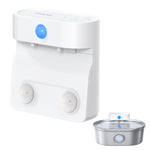
Not all water fountains are created equal. When selecting a water fountain for your cat, look for models that are easy to clean and have fewer hard-to-reach areas. Some fountains are designed with antimicrobial materials to inhibit bacterial growth. Additionally, consider the size of the fountain and the flow of water, as these factors can influence how quickly slime forms.
Alternative Hydration Solutions
If you're concerned about the risks associated with water fountains, there are alternative ways to keep your cat hydrated. Some pet owners opt for ceramic or stainless steel bowls, which are easier to clean and less likely to harbor bacteria. Others use automatic water dispensers that provide a continuous flow of fresh water without the risk of slime buildup. Experiment with different options to find what works best for your cat.
Keeping your cat hydrated is essential for their health and well-being, but it's equally important to ensure the water they drink is clean and safe. By understanding the risks of slime in water fountains and taking proactive steps to prevent it, you can protect your cat from potential illness. Regular cleaning, proper maintenance, and careful monitoring are key to ensuring your feline friend stays happy and healthy. Don't let a contaminated water fountain compromise your cat's health—take action today to provide them with the safe hydration they deserve.