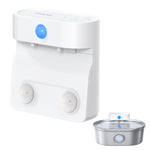
Pregnancy is a time of joy, anticipation, and careful planning. For cat owners, one of the concerns that often arises is how to safely manage a cat litter box during pregnancy. While cats are wonderful companions, their litter boxes can pose certain risks to pregnant individuals. This article explores the potential dangers, offers practical safety tips, and suggests alternatives to ensure both you and your furry friend stay healthy.
Understanding the Risks
One of the primary concerns with cat litter boxes during pregnancy is the risk of toxoplasmosis. This is a parasitic infection caused by Toxoplasma gondii, which can be found in cat feces. While toxoplasmosis is generally mild for healthy individuals, it can cause serious complications during pregnancy, including miscarriage, stillbirth, or birth defects.
Cats can become infected with Toxoplasma gondii by eating raw meat, hunting rodents, or coming into contact with contaminated soil. Once infected, they shed the parasite in their feces, which can then be transmitted to humans through accidental ingestion. This is why handling a cat litter box during pregnancy requires extra caution.
Safety Tips for Managing a Cat Litter Box During Pregnancy
If you’re pregnant and have a cat, there are several steps you can take to minimize the risk of toxoplasmosis:
- Avoid Changing the Litter Box: If possible, delegate the task of cleaning the litter box to someone else. This is the most effective way to reduce your exposure to potential risks.
- Wear Gloves and a Mask: If you must clean the litter box yourself, wear disposable gloves and a mask to protect yourself from inhaling dust or accidentally ingesting particles.
- Wash Your Hands Thoroughly: After handling the litter box or coming into contact with your cat, wash your hands with soap and water for at least 20 seconds.
- Clean the Litter Box Daily: The Toxoplasma gondii parasite takes 1-5 days to become infectious. Cleaning the litter box daily reduces the likelihood of exposure.
- Use a Covered Litter Box: A covered litter box can help contain dust and reduce the spread of contaminants.
Alternatives to Traditional Cat Litter Boxes
If you’re looking for ways to minimize risks further, consider these alternatives to traditional cat litter boxes:
- Self-Cleaning Litter Boxes: These automated systems reduce the need for frequent manual cleaning, limiting your exposure to cat litter.
- Biodegradable Litter: Some types of biodegradable litter are less likely to produce dust, making them a safer option during pregnancy.
- Outdoor Litter Areas: If you have access to a safe outdoor space, consider setting up a designated area for your cat to relieve itself.
Additional Precautions for Cat Owners During Pregnancy
Beyond managing the litter box, there are other steps you can take to protect yourself and your unborn child:
- Avoid Feeding Raw Meat: Since cats can contract Toxoplasma gondii from raw meat, stick to commercially prepared cat food.
- Keep Your Cat Indoors: Indoor cats are less likely to come into contact with the parasite compared to outdoor cats.
- Regular Veterinary Checkups: Ensure your cat is healthy and up-to-date on vaccinations to minimize the risk of infections.
Myths and Misconceptions
There are several myths surrounding cat litter boxes and pregnancy that need to be addressed:
- Myth: All Cats Carry Toxoplasmosis: Not all cats are infected with Toxoplasma gondii. The risk is higher for outdoor cats or those that eat raw meat.
- Myth: You Must Rehome Your Cat: With proper precautions, there’s no need to rehome your cat during pregnancy. Simply take steps to minimize risks.
- Myth: Toxoplasmosis is Only a Concern in the First Trimester: While the first trimester is critical, the risk persists throughout pregnancy.
When to Seek Medical Advice
If you suspect you’ve been exposed to Toxoplasma gondii or experience symptoms such as fever, fatigue, or muscle aches, consult your healthcare provider immediately. Early detection and treatment can help prevent complications.
Managing a cat litter box during pregnancy doesn’t have to be stressful. By understanding the risks, taking precautions, and exploring alternatives, you can continue to enjoy the companionship of your feline friend while keeping yourself and your baby safe. Remember, a little planning goes a long way in ensuring a healthy and happy pregnancy.