






When it comes to owning a cat, the litter box is an essential part of daily life. However, many pet owners are unaware of the potential health risks that can arise from improper use or maintenance of a cat litter box. From respiratory issues to bacterial infections, the dangers are real and can affect both humans and cats alike. In this article, we will explore the various health risks associated with cat litter boxes and provide practical tips on how to mitigate these risks.
Understanding the Health Risks
Cat litter boxes can pose several health risks if not managed correctly. One of the most common issues is the inhalation of dust particles. Many types of cat litter produce dust when poured or when cats dig in the box. Inhaling this dust can lead to respiratory problems, especially for individuals with asthma or other lung conditions. Additionally, the dust can contain harmful chemicals or silica, which can further exacerbate health issues.
Bacterial Infections
Another significant health risk is the potential for bacterial infections. Cat feces can contain harmful bacteria such as E. coli and Salmonella. If the litter box is not cleaned regularly, these bacteria can multiply and pose a risk to both humans and cats. Pregnant women, in particular, need to be cautious as they are at a higher risk of contracting toxoplasmosis, a parasitic infection that can be transmitted through cat feces.
Parasitic Infections
Toxoplasmosis is a well-known parasitic infection that can be contracted from cat feces. While it is relatively rare, it can have severe consequences for pregnant women and individuals with weakened immune systems. The parasite can cause flu-like symptoms, and in severe cases, it can lead to complications such as miscarriage or birth defects. Proper hygiene and regular cleaning of the litter box are essential to prevent the spread of this parasite.
Chemical Exposure
Many cat litters contain chemicals such as fragrances, deodorizers, and clumping agents. While these additives may make the litter box more pleasant to use, they can also pose health risks. Some cats may develop allergies or skin irritations from exposure to these chemicals. Additionally, humans can be exposed to these chemicals through inhalation or skin contact, potentially leading to respiratory issues or allergic reactions.
Preventing Health Risks
Fortunately, there are several steps you can take to minimize the health risks associated with cat litter boxes. First and foremost, choose a cat litter that is low in dust and free from harmful chemicals. Natural, unscented litters are often a safer option. Additionally, make sure to clean the litter box regularly, ideally once a day, to prevent the buildup of bacteria and parasites. Wearing gloves and washing your hands thoroughly after cleaning the litter box can also reduce the risk of infection.
Proper Ventilation
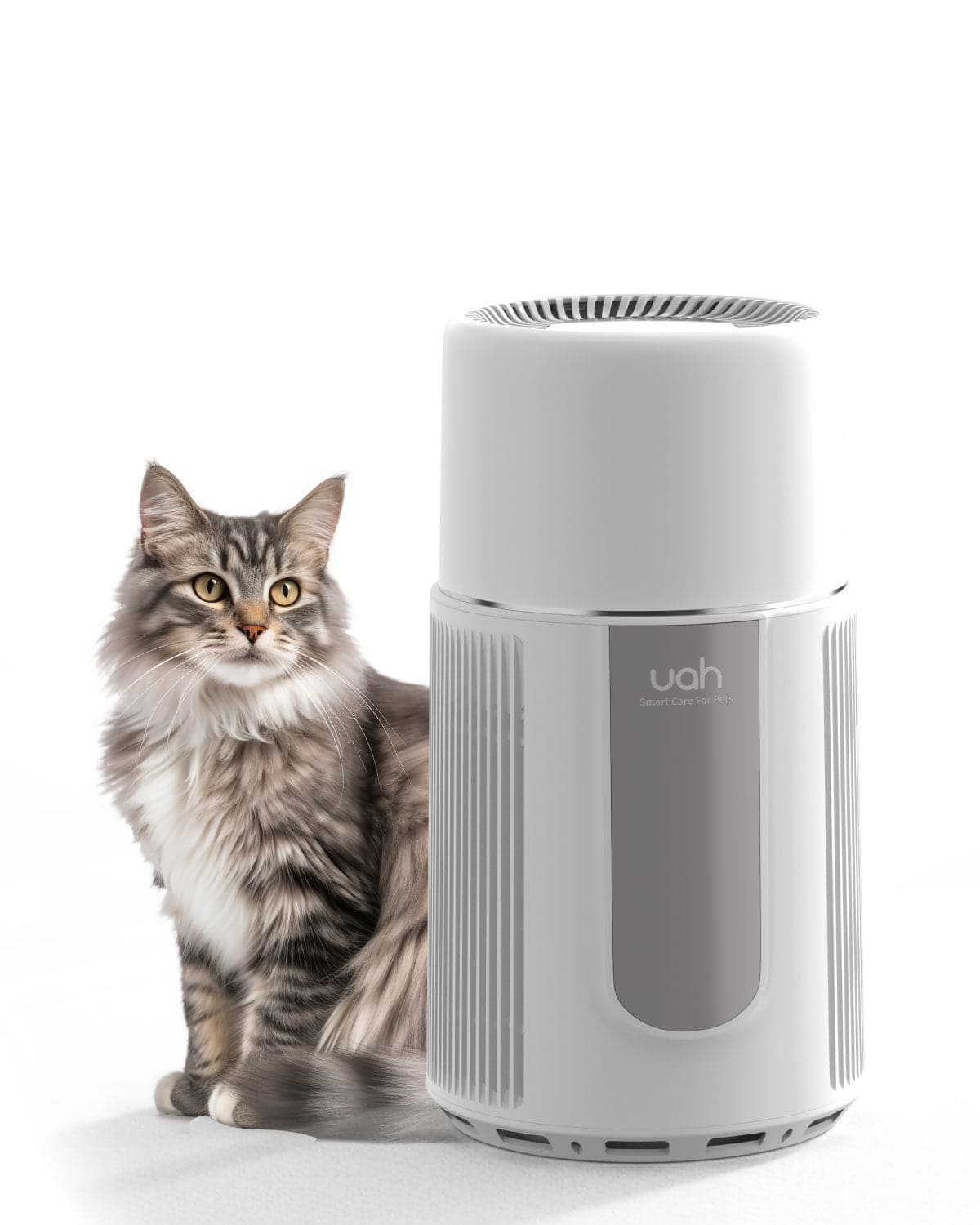
Ensuring proper ventilation in the area where the litter box is located can help reduce the concentration of dust and chemicals in the air. Placing the litter box in a well-ventilated area, such as near a window or in a room with an exhaust fan, can make a significant difference. If possible, consider using an air purifier to further improve air quality.
Regular Veterinary Check-ups
Regular veterinary check-ups are essential for maintaining your cat's health and preventing the spread of infections. Your veterinarian can provide guidance on the best type of litter to use and offer advice on how to keep the litter box clean and safe. Additionally, your vet can screen your cat for any potential health issues that could be related to the litter box, such as respiratory problems or skin irritations.
Educating Yourself and Your Family
Education is key to preventing health risks associated with cat litter boxes. Make sure that everyone in your household understands the importance of proper litter box maintenance and hygiene. Teach children to avoid playing near the litter box and to wash their hands thoroughly after handling the cat or cleaning the litter box. By taking these precautions, you can create a safer environment for both your family and your feline friend.
Cat litter boxes are a necessary part of cat ownership, but they come with potential health risks that should not be overlooked. By understanding these risks and taking proactive steps to mitigate them, you can ensure a healthier and happier life for both you and your cat. Don't let the hidden dangers of the litter box catch you off guard—take action today to protect your health and the well-being of your beloved pet.





