



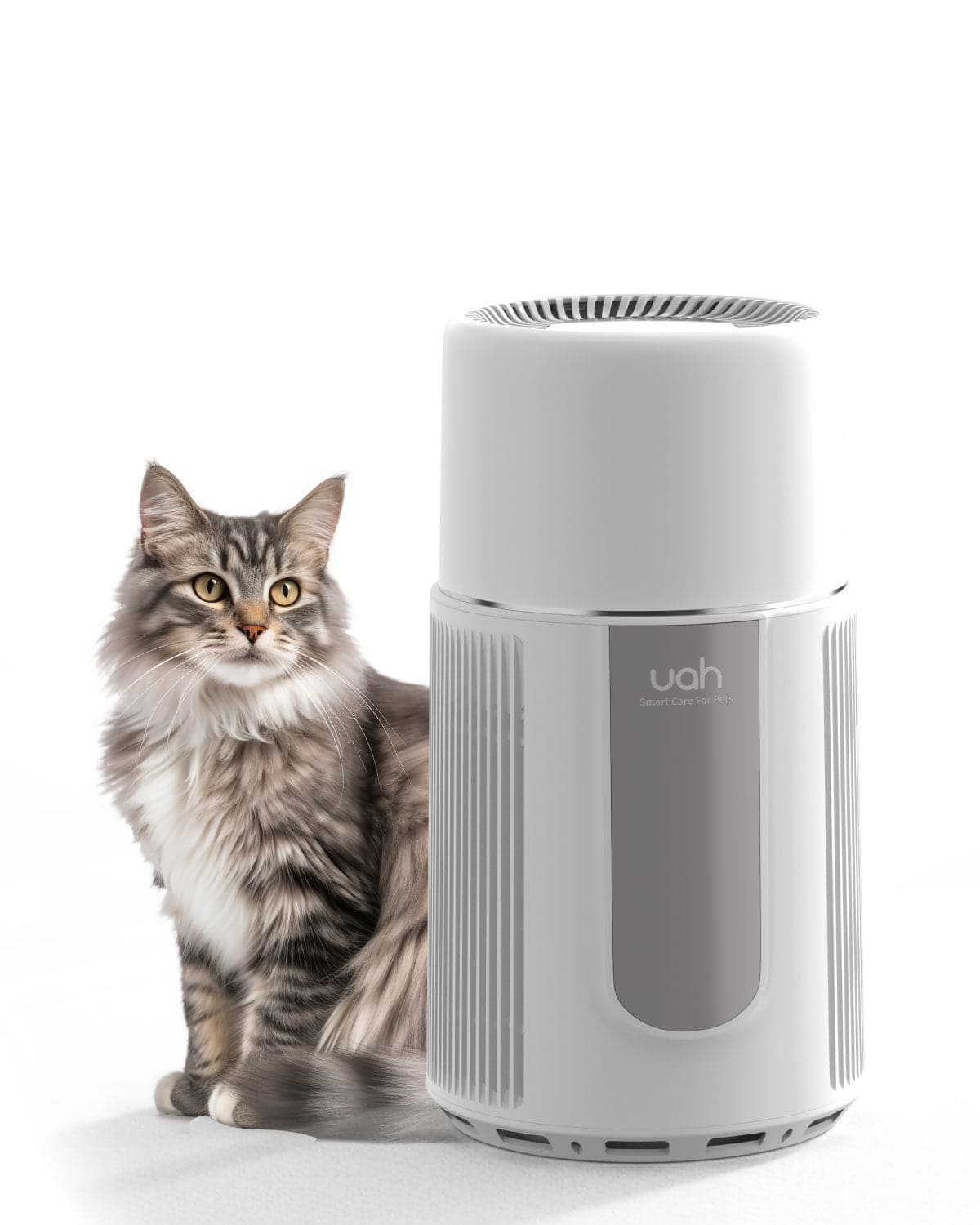


If your cat is sneezing and peeing outside the litter box, it can be a cause for concern. These behaviors may seem unrelated, but they could indicate underlying health or environmental issues. Understanding the root causes and implementing appropriate solutions can help restore your cat's well-being and maintain a harmonious household.
Common Causes of Cat Sneezing
Cat sneezing can be triggered by various factors, ranging from minor irritants to serious health conditions. Here are some common causes:
- Upper Respiratory Infections: Viral or bacterial infections, such as feline herpesvirus or calicivirus, are common culprits. These infections often cause sneezing, nasal discharge, and lethargy.
- Allergies: Cats can be allergic to pollen, dust, mold, or certain household products. Allergic reactions may lead to sneezing, itching, and watery eyes.
- Foreign Objects: Small particles like dust or grass can irritate the nasal passages, causing sneezing.
- Dental Issues: Infections or abscesses in the teeth or gums can spread to the nasal area, resulting in sneezing.
- Environmental Irritants: Strong odors, smoke, or cleaning chemicals can irritate a cat's sensitive respiratory system.
Why Is My Cat Peeing Outside the Litter Box?
Peeing outside the litter box is a common issue that can stem from medical, behavioral, or environmental factors. Here are some potential reasons:
- Urinary Tract Infections (UTIs): UTIs can cause pain and discomfort, leading cats to associate the litter box with negative experiences.
- Stress or Anxiety: Changes in the household, such as moving or introducing a new pet, can stress your cat and result in inappropriate elimination.
- Litter Box Preferences: Cats may avoid the litter box if it's too small, dirty, or filled with a type of litter they dislike.
- Medical Conditions: Kidney disease, diabetes, or arthritis can make it difficult for cats to use the litter box properly.
- Territorial Marking: Unneutered or unspayed cats may mark their territory by urinating outside the litter box.
How to Address Cat Sneezing
If your cat is sneezing frequently, it's essential to identify and address the underlying cause. Here are some steps you can take:
- Visit the Veterinarian: A thorough examination can help diagnose infections, allergies, or other health issues.
- Keep the Environment Clean: Regularly clean your home to reduce dust, mold, and other allergens.
- Use a Humidifier: Dry air can irritate the nasal passages, so a humidifier may provide relief.
- Avoid Strong Odors: Minimize the use of strong-smelling cleaning products or air fresheners.
- Monitor Dental Health: Regular dental check-ups can prevent infections that may cause sneezing.
Solutions for Peeing Outside the Litter Box
Addressing inappropriate elimination requires patience and a proactive approach. Consider the following solutions:
- Rule Out Medical Issues: Consult your veterinarian to rule out UTIs or other health problems.
- Provide Multiple Litter Boxes: Ensure there are enough litter boxes in quiet, accessible locations.
- Keep the Litter Box Clean: Scoop daily and change the litter regularly to maintain cleanliness.
- Experiment with Litter Types: Some cats prefer unscented or clumping litter, so try different options.
- Reduce Stress: Create a calm environment and provide enrichment activities to alleviate anxiety.
When to Seek Professional Help
If your cat's sneezing or peeing outside the litter box persists despite your efforts, it's time to seek professional help. A veterinarian can perform diagnostic tests to identify underlying conditions and recommend appropriate treatments. In some cases, a behaviorist may be needed to address stress-related issues.
Understanding the reasons behind your cat's sneezing and inappropriate elimination is the first step toward resolving these problems. By addressing the root causes and implementing effective solutions, you can ensure your cat's health and happiness while maintaining a clean and stress-free home.





