

If you've noticed your cat suddenly drinking more water, it's natural to feel concerned. Cats are creatures of habit, and any sudden change in their behavior can be a sign that something is amiss. While increased water intake might seem harmless at first, it could indicate underlying health issues that require attention. This article explores the possible reasons behind this behavior, when to seek veterinary care, and how to support your cat's well-being.
Understanding Normal Cat Hydration
Cats are naturally less inclined to drink large amounts of water compared to other animals. Their ancestors were desert dwellers, and they evolved to obtain most of their hydration from their prey. Modern domestic cats often rely on wet food, which contains a significant amount of moisture, to meet their hydration needs. On average, a healthy cat drinks about 1 ounce of water per pound of body weight daily. However, this can vary depending on factors like diet, activity level, and environmental conditions.
Why Is My Cat Suddenly Drinking More Water?
There are several reasons why your cat might be drinking more water than usual. Some are benign, while others could signal serious health issues. Here are the most common causes:
1. Dietary Changes
If you've recently switched your cat from wet food to dry food, they may drink more water to compensate for the reduced moisture content in their diet. Dry food contains only about 10% water, whereas wet food can contain up to 80%. This shift can naturally lead to increased thirst.
2. Hot Weather or Increased Activity
Just like humans, cats may drink more water during hot weather or after increased physical activity. If your cat has been playing more or spending time in a warm environment, their water intake might temporarily rise.
3. Stress or Anxiety
Stress can also lead to changes in your cat's drinking habits. Moving to a new home, introducing a new pet, or changes in the household dynamic can cause anxiety, which might manifest as increased thirst.
4. Underlying Health Conditions
One of the most concerning reasons for a cat suddenly drinking more water is the presence of an underlying health issue. Conditions such as diabetes, kidney disease, hyperthyroidism, or urinary tract infections can cause excessive thirst. These conditions often require prompt veterinary attention.
When to Be Concerned
While occasional increases in water intake might not be a cause for alarm, persistent or excessive thirst should not be ignored. Here are some signs that indicate it's time to consult your veterinarian:
- Your cat is drinking significantly more water for more than a few days.
- They are urinating more frequently or in larger amounts.
- You notice changes in their appetite, weight, or energy levels.
- They exhibit other symptoms like vomiting, diarrhea, or lethargy.
Diagnosing the Cause
If you're concerned about your cat's increased water intake, your veterinarian will likely perform a series of tests to determine the underlying cause. These may include blood tests, urine analysis, and imaging studies. Early diagnosis is crucial for managing any potential health issues effectively.
How to Support Your Cat's Hydration
Regardless of the cause, ensuring your cat stays properly hydrated is essential. Here are some tips to encourage healthy hydration:
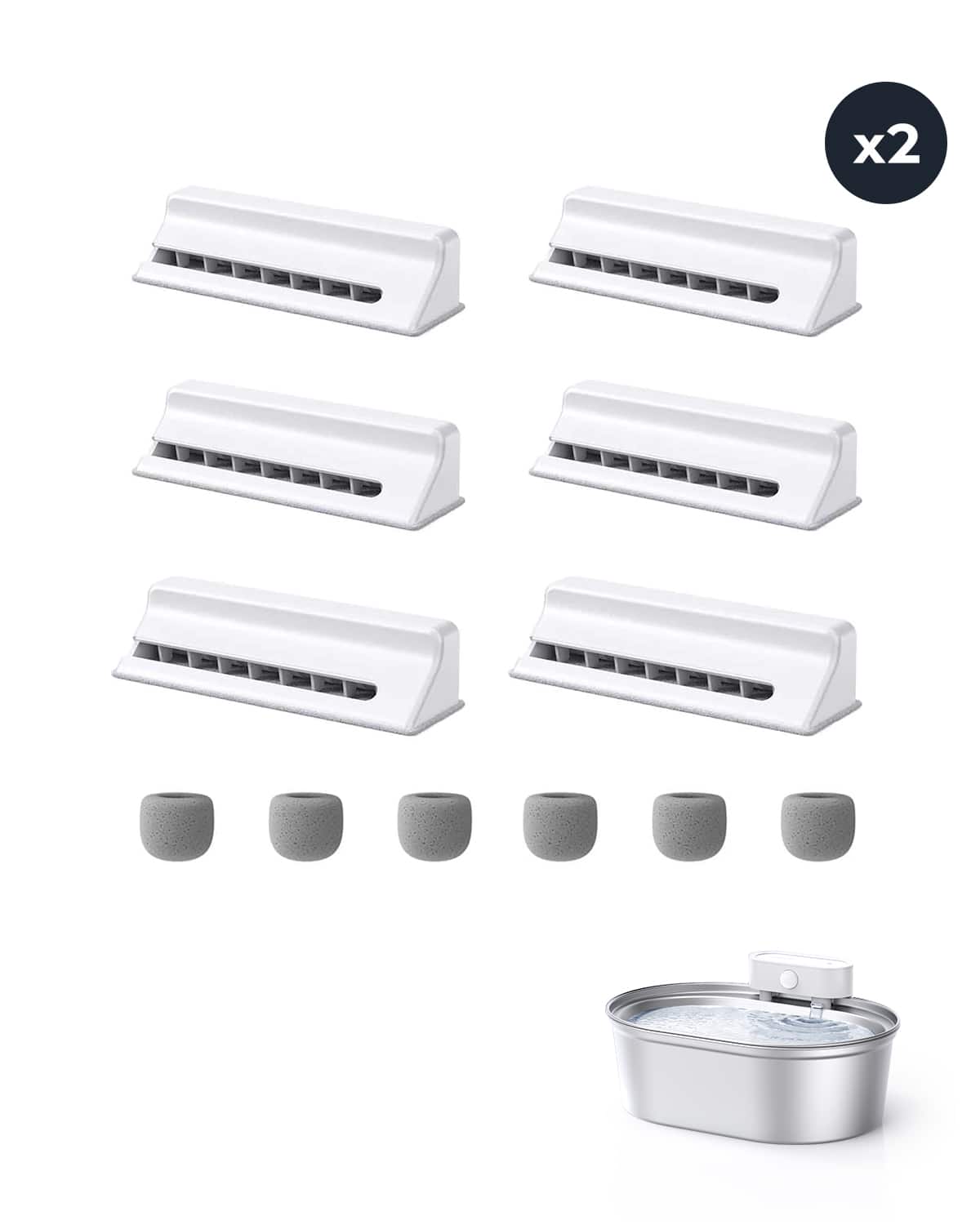
- Provide fresh, clean water at all times. Consider using a water fountain, as many cats prefer running water.
- Incorporate wet food into their diet to increase moisture intake.
- Place multiple water bowls around your home to make it easy for your cat to access water.
- Monitor their water intake and behavior closely to detect any changes early.
Preventing Dehydration
While increased water intake can be a concern, dehydration is equally dangerous. Signs of dehydration in cats include dry gums, lethargy, and loss of skin elasticity. If you suspect your cat is dehydrated, seek veterinary care immediately.
The Role of Regular Veterinary Checkups
Regular veterinary checkups are essential for maintaining your cat's health. Routine visits allow your vet to monitor your cat's hydration levels, detect early signs of illness, and provide guidance on proper care. Even if your cat seems healthy, annual or biannual checkups can help prevent potential issues.
Noticing your cat suddenly drinking more water can be a cause for concern, but it's also an opportunity to take proactive steps to ensure their health and well-being. By understanding the potential causes, monitoring their behavior, and seeking veterinary care when needed, you can help your feline friend stay happy and hydrated. Remember, your cat relies on you to be their advocate, so don't hesitate to take action if something seems off.