




When your dog has stopped drinking water, it can be a cause for immediate concern. Water is essential for your pet's health, and a sudden decrease in water intake can signal underlying issues. This article explores the possible reasons behind this behavior, the risks associated with dehydration, and practical steps to encourage your dog to drink water again.
Understanding the Importance of Hydration for Dogs
Water plays a crucial role in maintaining your dog's overall health. It aids in digestion, regulates body temperature, and supports kidney function. Without adequate hydration, your dog can quickly become dehydrated, leading to serious health complications.
Common Reasons Why a Dog Has Stopped Drinking Water
There are several reasons why your dog might have stopped drinking water. These can range from minor issues to more serious health conditions. Some common causes include:
- Illness or Infection: Dogs may stop drinking water if they are feeling unwell. Conditions such as kidney disease, urinary tract infections, or gastrointestinal issues can reduce their thirst.
- Stress or Anxiety: Changes in the environment, such as moving to a new home or the introduction of a new pet, can cause stress and reduce water intake.
- Dental Problems: Painful dental issues, such as gum disease or broken teeth, can make drinking water uncomfortable for your dog.
- Dietary Changes: A sudden change in diet, especially if it includes more wet food, can reduce your dog's need for water.
- Age-Related Issues: Older dogs may naturally drink less water due to decreased activity levels or underlying health conditions.
Recognizing the Signs of Dehydration in Dogs
Dehydration can be dangerous for dogs, and it's important to recognize the signs early. Some symptoms of dehydration include:
- Dry or sticky gums
- Loss of skin elasticity
- Lethargy or weakness
- Sunken eyes
- Reduced urination
If you notice any of these signs, it's crucial to take action immediately to rehydrate your dog.
What to Do If Your Dog Has Stopped Drinking Water
If your dog has stopped drinking water, there are several steps you can take to encourage them to drink again:
- Check for Underlying Health Issues: If you suspect that your dog's lack of water intake is due to an illness, consult your veterinarian for a thorough examination.
- Provide Fresh Water: Ensure that your dog always has access to clean, fresh water. Change the water frequently to keep it appealing.
- Try Different Water Bowls: Some dogs may prefer certain types of bowls. Experiment with different materials, sizes, and shapes to see what your dog prefers.
- Add Flavor to the Water: Adding a small amount of low-sodium broth or a splash of water from canned tuna can make the water more enticing for your dog.
- Encourage Hydration Through Food: Incorporate wet food or water-rich fruits and vegetables into your dog's diet to increase their overall water intake.
- Create a Calm Environment: Reduce stress and anxiety by providing a quiet, comfortable space for your dog to drink water.
When to Seek Veterinary Help
If your dog continues to refuse water despite your efforts, or if you notice signs of dehydration, it's important to seek veterinary help immediately. Your veterinarian can perform diagnostic tests to identify any underlying health issues and provide appropriate treatment.
Preventing Future Dehydration in Dogs
Preventing dehydration is key to maintaining your dog's health. Here are some tips to ensure your dog stays hydrated:
- Monitor Water Intake: Keep an eye on how much water your dog drinks daily. This can help you detect any changes early.
- Provide Multiple Water Sources: Place water bowls in different areas of your home to encourage your dog to drink more frequently.
- Keep Water Bowls Clean: Regularly clean your dog's water bowls to prevent the buildup of bacteria or algae.
- Hydrate During Exercise: Offer water to your dog during and after physical activity to prevent dehydration.
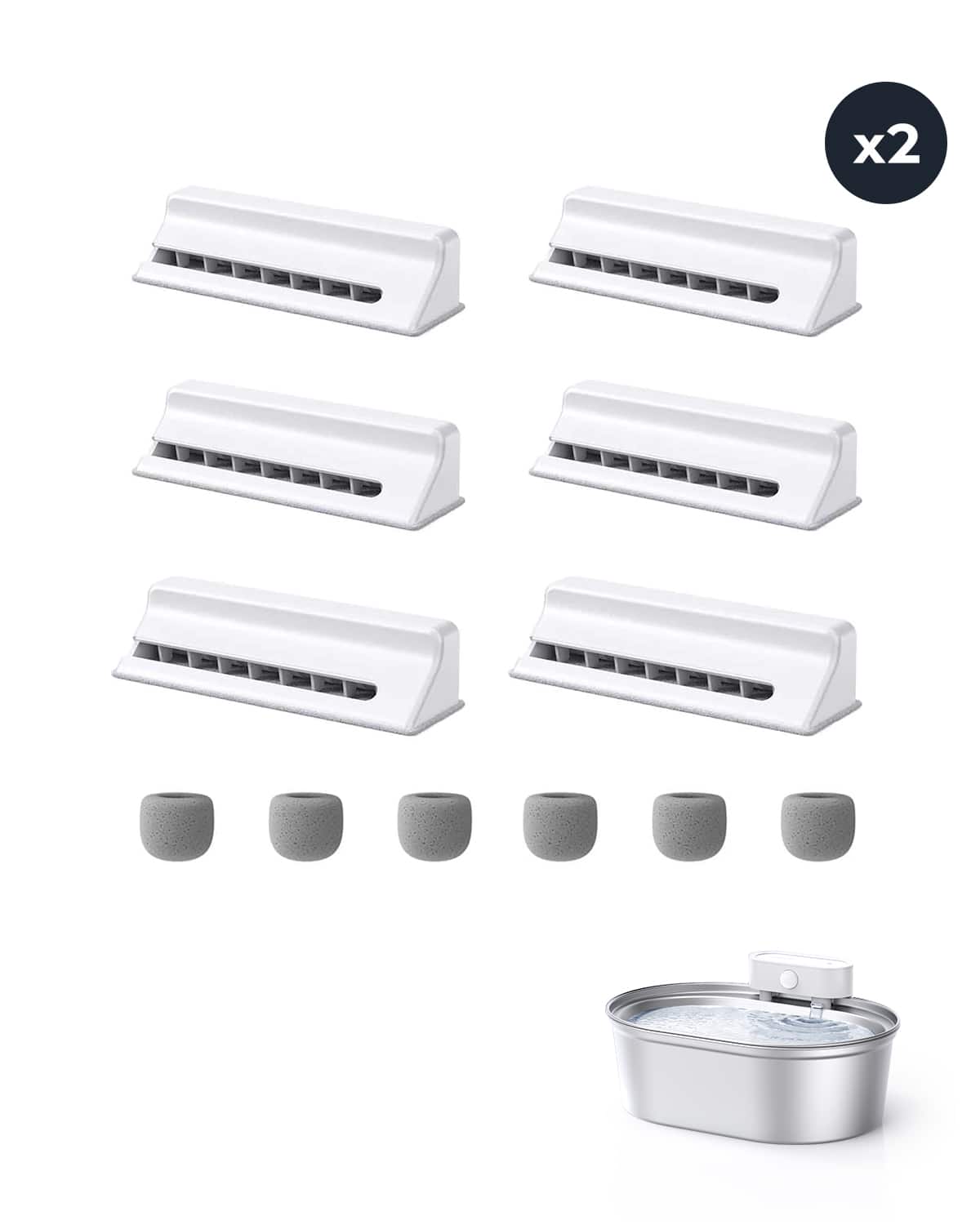
- Consider a Water Fountain: Some dogs prefer running water. A pet water fountain can encourage them to drink more.
By understanding the reasons behind your dog's decreased water intake and taking proactive steps, you can ensure your furry friend stays hydrated and healthy. Remember, if you're ever in doubt, consult your veterinarian for guidance.
Your dog's health and well-being are paramount, and ensuring they stay hydrated is a simple yet vital part of their care. Don't wait until it's too late—take action today to keep your dog happy, healthy, and hydrated.