




Cleaning an automatic cat litter box might seem like a daunting task, but with the right approach, it can be quick, efficient, and even rewarding. These devices are designed to make pet care easier, but they still require regular maintenance to function properly. Whether you're a new cat owner or a seasoned pro, understanding how to clean an automatic cat litter box is essential for your pet's health and your peace of mind.
Why Cleaning an Automatic Cat Litter Box is Important
Automatic cat litter boxes are a game-changer for pet owners, offering convenience and reducing the daily chore of scooping. However, they are not entirely maintenance-free. Regular cleaning ensures that the box remains hygienic, odor-free, and functional. Neglecting this task can lead to unpleasant smells, bacterial growth, and even mechanical failures. A clean litter box also encourages your cat to use it consistently, preventing accidents around the house.
Step-by-Step Guide to Cleaning an Automatic Cat Litter Box
Step 1: Unplug the Device
Safety first! Before you begin cleaning, always unplug the automatic cat litter box from the power source. This prevents any accidental activation or electrical hazards during the cleaning process.
Step 2: Remove the Waste Compartment
Most automatic litter boxes come with a detachable waste compartment. Carefully remove this section and dispose of the collected waste according to your local waste disposal guidelines. Some models use disposable liners, which can be replaced after emptying.
Step 3: Empty the Litter Tray
Next, empty the litter tray of any remaining litter. While some automatic litter boxes are designed to sift and reuse clean litter, it's a good idea to replace the litter entirely during a deep clean. Dispose of the old litter responsibly.
Step 4: Disassemble the Components
Take apart the litter box as much as possible, following the manufacturer's instructions. This may include removing the rake, sifting mechanism, and other detachable parts. Disassembling the box allows you to clean hard-to-reach areas effectively.
Step 5: Wash the Components
Use warm water and a mild detergent to wash the components. Avoid harsh chemicals or abrasive cleaners, as they can damage the materials or leave harmful residues. A soft brush or cloth can help remove stubborn debris. Rinse thoroughly to ensure no soap remains.
Step 6: Dry Thoroughly
After washing, let all the components air dry completely before reassembling. Moisture can lead to mold or mildew, so ensure everything is dry to the touch. You can use a clean towel to speed up the drying process.
Step 7: Reassemble and Refill
Once the components are dry, reassemble the litter box according to the manufacturer's guidelines. Refill the litter tray with fresh litter, ensuring you use the recommended type and amount for your specific model.
Step 8: Plug In and Test
Finally, plug the automatic cat litter box back in and test its functionality. Run a cycle to ensure everything is working correctly and that there are no unusual noises or malfunctions.
Tips for Maintaining an Automatic Cat Litter Box
Clean Regularly
While automatic litter boxes reduce the need for daily scooping, they still require regular cleaning. Aim to clean the box thoroughly at least once a week, depending on usage and the number of cats in your household.
Monitor Litter Levels
Keep an eye on the litter levels and top up as needed. Low litter levels can affect the box's performance and may lead to incomplete waste removal.
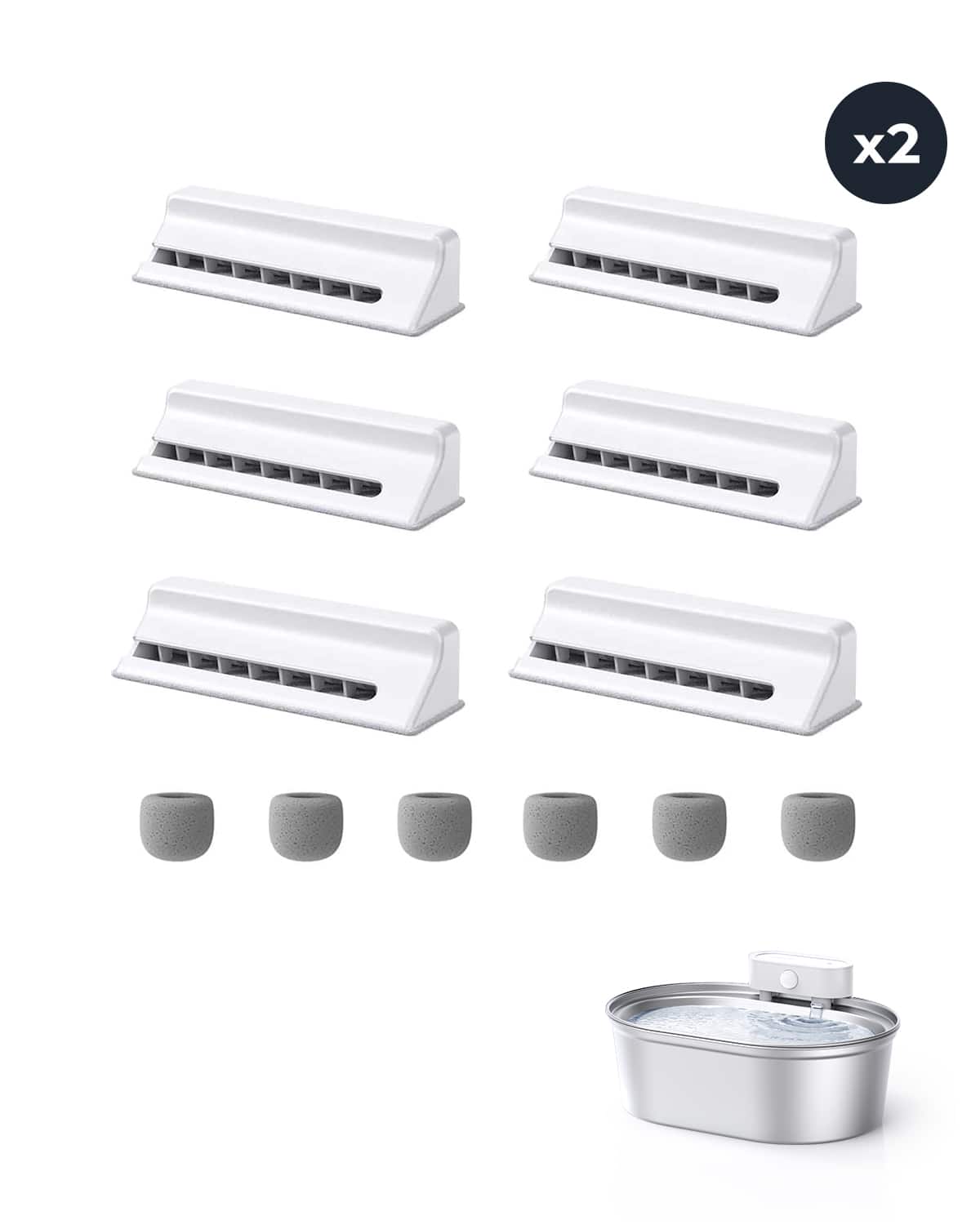
Replace Filters
Many automatic litter boxes come with odor-control filters. Replace these filters as recommended by the manufacturer to maintain a fresh-smelling environment.
Inspect for Wear and Tear
Regularly inspect the litter box for signs of wear and tear, such as cracks, loose parts, or malfunctioning mechanisms. Address any issues promptly to avoid costly repairs or replacements.
Common Mistakes to Avoid
Using the Wrong Type of Litter
Not all litters are suitable for automatic litter boxes. Avoid clumping litters that are too fine or dusty, as they can clog the mechanism. Always use the litter type recommended by the manufacturer.
Skipping Regular Cleaning
Even though automatic litter boxes are designed to minimize manual cleaning, they still need regular maintenance. Skipping cleaning sessions can lead to odors, bacteria, and mechanical issues.
Overfilling the Litter Tray
Overfilling the litter tray can cause the mechanism to jam or malfunction. Follow the manufacturer's guidelines for the correct litter level.
Benefits of a Clean Automatic Cat Litter Box
A clean automatic cat litter box offers numerous benefits for both you and your pet. It ensures a hygienic environment, reduces odors, and prolongs the lifespan of the device. Regular cleaning also helps you detect any potential issues early, saving you time and money in the long run. Most importantly, a clean litter box keeps your cat happy and healthy, encouraging consistent use and preventing stress-related behaviors.
By following this comprehensive guide, you can master the art of cleaning an automatic cat litter box. With a little effort and consistency, you'll enjoy the convenience of this modern pet care solution while keeping your furry friend comfortable and content. So, roll up your sleeves and give your cat's litter box the attention it deserves—your pet will thank you!