




Keeping your cat's food bowl free from ants can be a challenging task, especially during warmer months when ants are more active. Ants are attracted to the scent of food, and once they find a reliable source, they can quickly become a nuisance. Fortunately, there are several strategies you can employ to ant-proof your cat's bowl and ensure your pet enjoys their meals without any unwanted visitors.
Understanding Why Ants Are Attracted to Cat Food
Ants are naturally drawn to food sources that provide them with the nutrients they need to survive. Cat food, particularly wet food, is rich in proteins and fats, making it highly appealing to ants. Additionally, the strong scent of cat food can travel far, attracting ants from a considerable distance. Understanding this behavior is the first step in developing effective strategies to keep ants away.
Choose the Right Location for the Cat Bowl
One of the simplest ways to ant-proof your cat's bowl is to carefully select its location. Place the bowl in an area that is less accessible to ants. For example, keeping the bowl on a raised surface, such as a countertop or a table, can make it more difficult for ants to reach. Ensure that the surface is clean and free from crumbs or spills that could attract ants.
Create a Physical Barrier
Creating a physical barrier around the cat bowl can be an effective way to deter ants. One popular method is to place the bowl in a shallow dish filled with water. The water acts as a moat, preventing ants from crossing and reaching the food. Alternatively, you can use a specialized ant-proof bowl stand that is designed to keep ants at bay.
Use Natural Ant Repellents
There are several natural substances that ants find unappealing and can be used to create a protective barrier around the cat bowl. For instance, sprinkling cinnamon, vinegar, or citrus peels around the bowl can help repel ants. These substances are safe for your cat and do not pose any health risks. However, be cautious with essential oils, as some can be harmful to cats.
Keep the Feeding Area Clean
Maintaining a clean feeding area is crucial in preventing ants from being attracted to your cat's food. After each meal, promptly remove any leftover food and clean the bowl thoroughly. Wipe down the surrounding area to eliminate any food particles or spills that could attract ants. Regularly cleaning the feeding area will help reduce the likelihood of an ant infestation.
Opt for Ant-Proof Bowls
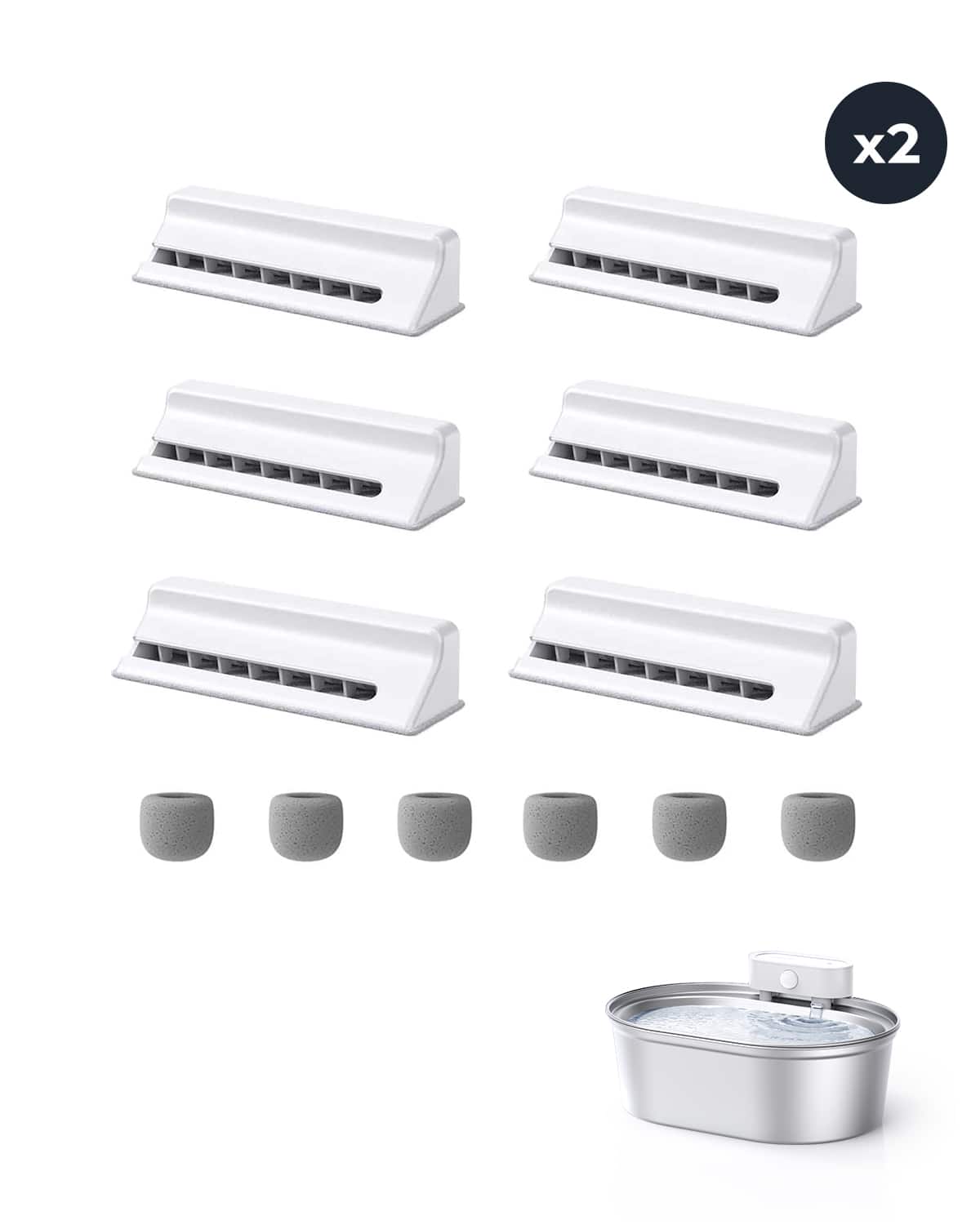
Investing in an ant-proof bowl can be a long-term solution to keep ants away from your cat's food. These bowls are designed with features that make it difficult for ants to access the food, such as built-in moats or elevated stands. While they may be more expensive than regular bowls, they can save you the hassle of dealing with ants in the long run.
Monitor and Adjust Your Strategy
Ants are persistent creatures, and what works for one household may not be effective for another. It's important to monitor the effectiveness of your ant-proofing methods and make adjustments as needed. If you notice ants still finding their way to the bowl, try combining multiple strategies or experimenting with different repellents until you find the most effective solution.
Consider the Type of Cat Food
The type of cat food you use can also influence the likelihood of attracting ants. Wet food, with its strong scent and high moisture content, is more likely to attract ants than dry food. If ants are a persistent problem, consider switching to dry food or feeding your cat smaller, more frequent meals to reduce the amount of food left out at any given time.
Seal Entry Points
Preventing ants from entering your home in the first place is another effective way to keep them away from your cat's bowl. Seal any cracks or gaps in windows, doors, and walls where ants could enter. Use caulk or weatherstripping to close off these entry points and reduce the chances of ants finding their way inside.
Use Ant Baits Strategically
If you're dealing with a severe ant infestation, using ant baits can help reduce the ant population around your home. Place the baits in areas where ants are commonly seen, but keep them away from your cat's feeding area to avoid any potential risks. Ant baits work by attracting ants to a poisoned food source, which they then carry back to their colony, effectively eliminating the entire nest.
Regularly Inspect the Feeding Area
Regular inspections of your cat's feeding area can help you identify and address any ant problems before they become overwhelming. Look for signs of ant activity, such as trails or small piles of dirt, and take immediate action to eliminate them. Early detection and intervention are key to keeping ants at bay.
Involve Your Cat in the Process
While most of the strategies mentioned focus on physical barriers and repellents, involving your cat in the process can also be beneficial. Cats are naturally curious and may be intrigued by new objects or changes in their environment. Introducing an ant-proof bowl or a new feeding location can pique your cat's interest and make the transition smoother.
Stay Consistent with Your Efforts
Consistency is crucial when it comes to ant-proofing your cat's bowl. Ants are persistent, and it may take some time to find the most effective solution for your specific situation. Stay consistent with your efforts, and don't be discouraged if you don't see immediate results. Over time, you'll develop a routine that keeps ants away and ensures your cat's food remains ant-free.
Educate Yourself on Ant Behavior
Understanding the behavior and habits of ants can provide valuable insights into how to keep them away from your cat's bowl. Ants are social insects that communicate through pheromones, which they use to mark trails to food sources. By disrupting these trails and making the feeding area less attractive, you can effectively deter ants from reaching your cat's food.
Seek Professional Help if Needed
If you've tried multiple strategies and are still struggling with ants, it may be time to seek professional help. Pest control experts can assess your home and provide targeted solutions to eliminate ants and prevent future infestations. While this may involve an additional cost, it can provide peace of mind and ensure your cat's feeding area remains ant-free.
Keeping ants away from your cat's food bowl requires a combination of strategies, from choosing the right location to using natural repellents and maintaining a clean feeding area. By understanding ant behavior and staying consistent with your efforts, you can create an ant-free environment for your feline friend. Remember, the key to success is persistence and adaptability. With the right approach, you can ensure your cat enjoys their meals without any unwanted interruptions.