





Dealing with litter box smell can be a challenging task for any pet owner. The unpleasant odor can quickly take over your home, making it uncomfortable for both you and your furry friend. Fortunately, there are several strategies you can implement to keep the smell at bay and ensure a clean, fresh environment.
1. Choose the Right Litter
The type of litter you use plays a significant role in controlling odor. Opt for a high-quality, clumping litter that is designed to absorb moisture and trap odors effectively. Some litters are infused with baking soda or activated charcoal, which can help neutralize smells. Experiment with different types to find the one that works best for your pet and your home.
2. Clean the Litter Box Regularly
Regular cleaning is essential to prevent the buildup of waste and odor. Scoop the litter box at least once a day to remove clumps and solid waste. Depending on the number of pets you have, you may need to scoop more frequently. Additionally, completely change the litter and wash the box with mild soap and water every one to two weeks to maintain freshness.
3. Use a Litter Box with a Cover
A covered litter box can help contain odors and prevent them from spreading throughout your home. Look for a box with a built-in carbon filter in the lid, which can further reduce smells. However, ensure that the box is spacious enough for your pet to move around comfortably, as some cats may feel confined in a covered box.
4. Place the Litter Box in a Well-Ventilated Area
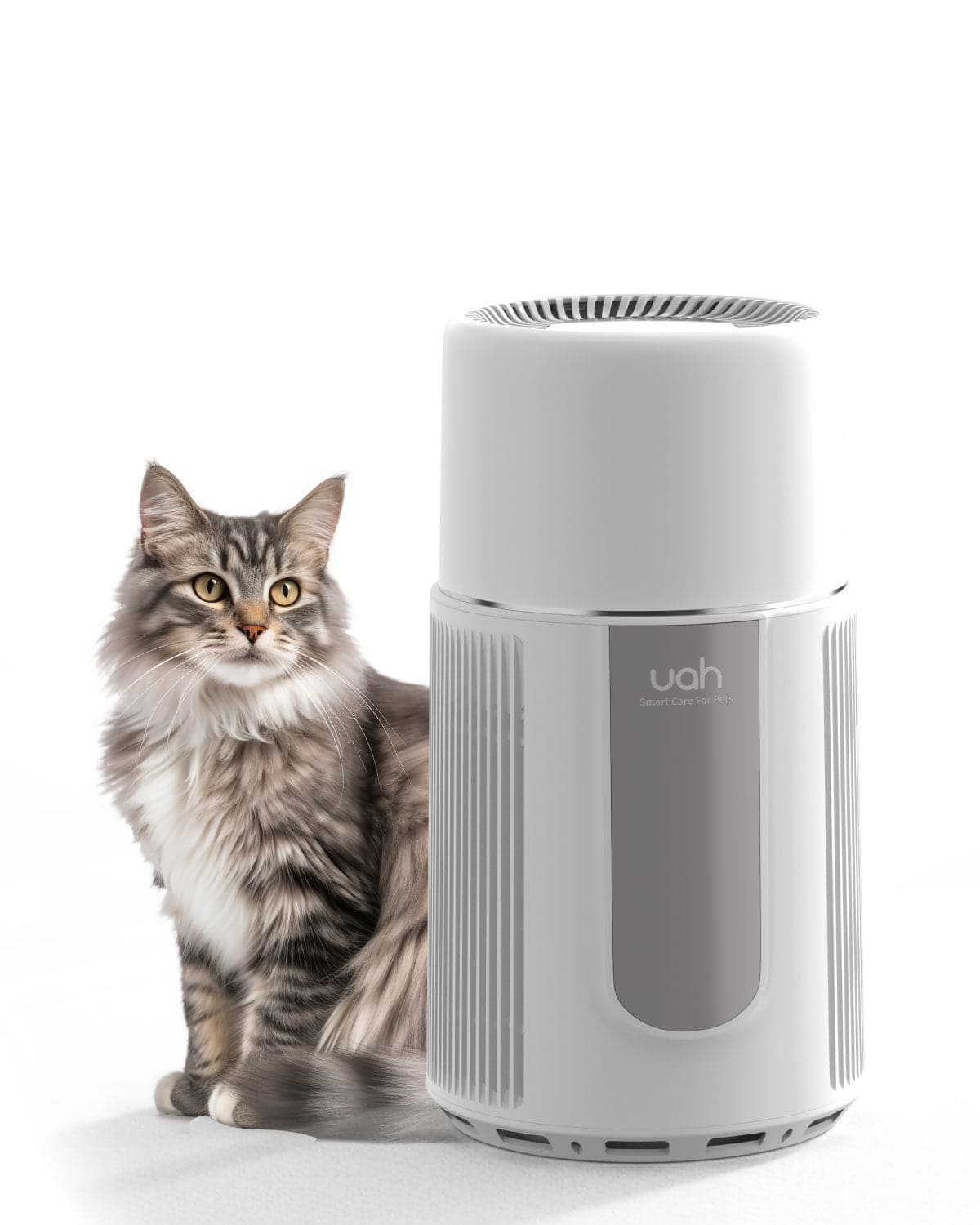
Location matters when it comes to controlling litter box odor. Place the box in a well-ventilated area, such as a bathroom with a window or a laundry room. Avoid placing it in a small, enclosed space, as this can trap odors and make them more noticeable. If possible, use a fan or air purifier to improve air circulation around the litter box.
5. Add Baking Soda to the Litter
Baking soda is a natural odor neutralizer that can be sprinkled directly into the litter box. It helps absorb moisture and eliminate smells without harming your pet. Simply add a thin layer of baking soda at the bottom of the box before adding the litter. You can also mix it into the litter for even distribution.
6. Use Odor-Absorbing Products
There are various odor-absorbing products available that can help keep your litter box smelling fresh. These include deodorizing sprays, granules, and sachets that can be placed near the litter box. Look for products that are safe for pets and free from harsh chemicals. Some products use natural ingredients like essential oils to mask odors effectively.
7. Maintain a Healthy Diet for Your Pet
Believe it or not, your pet's diet can influence the smell of their waste. Feeding your pet a high-quality, balanced diet can result in less odorous waste. Avoid giving your pet table scraps or low-quality food, as these can lead to stronger-smelling feces. Additionally, ensure your pet has access to plenty of fresh water to stay hydrated and promote healthy digestion.
8. Consider Multiple Litter Boxes
If you have more than one pet, it's a good idea to provide multiple litter boxes. This can help distribute the waste and reduce the concentration of odor in one area. The general rule is to have one litter box per pet, plus one extra. Place the boxes in different locations to give your pets options and prevent overcrowding.
9. Use a Litter Mat
A litter mat placed outside the box can help trap litter particles and prevent them from being tracked around your home. Some mats are designed to absorb odors as well, adding an extra layer of protection against smells. Choose a mat that is easy to clean and maintain for long-lasting freshness.
10. Replace the Litter Box When Necessary
Over time, even the most well-maintained litter box can retain odors. If you notice that the smell persists despite regular cleaning and odor control measures, it may be time to replace the box. Plastic litter boxes can absorb odors over time, so consider upgrading to a new one every few years to keep your home smelling fresh.
By following these tips, you can effectively manage litter box odor and create a more pleasant living environment for both you and your pet. Remember, consistency is key, so make these practices a regular part of your pet care routine. With a little effort, you can enjoy a clean, odor-free home and a happy, healthy pet.