





Dealing with a smelly litter box is one of the most common challenges pet owners face. The unpleasant odor can quickly take over your home, making it uncomfortable for both you and your furry friend. Fortunately, there are several effective ways to keep your litter box smelling fresh and clean. This guide will walk you through the best practices to ensure your litter box remains odor-free.
Choose the Right Litter
The type of litter you use plays a significant role in controlling odor. Opt for a high-quality, clumping litter that is specifically designed to neutralize smells. Some litters contain activated charcoal or baking soda, which are excellent at absorbing odors. Avoid heavily scented litters, as they can be overwhelming for your pet and may not effectively mask the smell.
Clean the Litter Box Regularly
Regular cleaning is essential to prevent odor buildup. Scoop the litter box at least once a day to remove waste. This not only keeps the box smelling fresh but also encourages your pet to use it consistently. Once a week, empty the entire litter box, wash it with mild soap and water, and refill it with fresh litter. Avoid using harsh chemicals, as they can leave behind strong odors that may deter your pet.
Use a Litter Box with a Cover
A covered litter box can help contain odors and prevent them from spreading throughout your home. Look for a box with a built-in carbon filter in the lid, as this can further reduce smells. However, ensure that the box is spacious enough for your pet to move around comfortably. Some cats may feel confined in a covered box, so observe your pet's behavior to determine if this is the right option.
Place the Litter Box in a Well-Ventilated Area
The location of the litter box can significantly impact odor control. Place it in a well-ventilated area, such as near a window or in a room with an air purifier. Avoid placing it in small, enclosed spaces like closets, as this can trap odors and make the problem worse. If possible, choose a location that is easy to access for cleaning but away from high-traffic areas in your home.
Add Baking Soda to the Litter
Baking soda is a natural odor absorber and can be a great addition to your litter box. Sprinkle a thin layer of baking soda at the bottom of the box before adding the litter. This will help neutralize odors without affecting the litter's performance. You can also mix a small amount of baking soda into the litter itself for added odor control.
Consider a Litter Box Deodorizer
Litter box deodorizers are specifically designed to eliminate odors and keep the box smelling fresh. These products come in various forms, including powders, sprays, and granules. Choose a deodorizer that is safe for your pet and easy to use. Follow the manufacturer's instructions for the best results, and avoid overusing the product, as this can create an overpowering scent.
Monitor Your Pet's Diet
Your pet's diet can also influence the smell of their waste. High-quality, easily digestible food can result in less odorous waste. Avoid feeding your pet table scraps or low-quality food, as this can lead to stronger-smelling litter box odors. Additionally, ensure your pet has access to plenty of fresh water, as proper hydration can also help reduce odor.
Replace the Litter Box Regularly
Over time, even the best-maintained litter box can retain odors. If you notice that the box still smells despite regular cleaning, it may be time to replace it. Plastic litter boxes can absorb odors over time, so consider replacing them every six months to a year. Alternatively, you can use a litter box liner to make cleaning easier and prevent odors from seeping into the box.
Train Your Pet to Use the Litter Box Properly
Proper litter box training can also help reduce odors. Ensure your pet knows how to use the box correctly and encourage them to bury their waste. Some pets may need a little extra training or encouragement, especially if they are new to using a litter box. Positive reinforcement, such as treats or praise, can help reinforce good habits.
Keep the Surrounding Area Clean
Odors can linger in the area around the litter box, so it's important to keep the surrounding space clean as well. Regularly vacuum or sweep the floor to remove any stray litter or debris. Wipe down nearby surfaces with a pet-safe cleaner to eliminate any lingering odors. Placing a mat under the litter box can also help catch any litter that gets tracked out of the box.
Consider Multiple Litter Boxes
If you have multiple pets, consider providing a litter box for each one, plus an extra. This can help prevent overcrowding and reduce the likelihood of odor buildup. Each pet should have their own space to do their business, which can also help reduce stress and encourage proper litter box use.
Use an Air Purifier
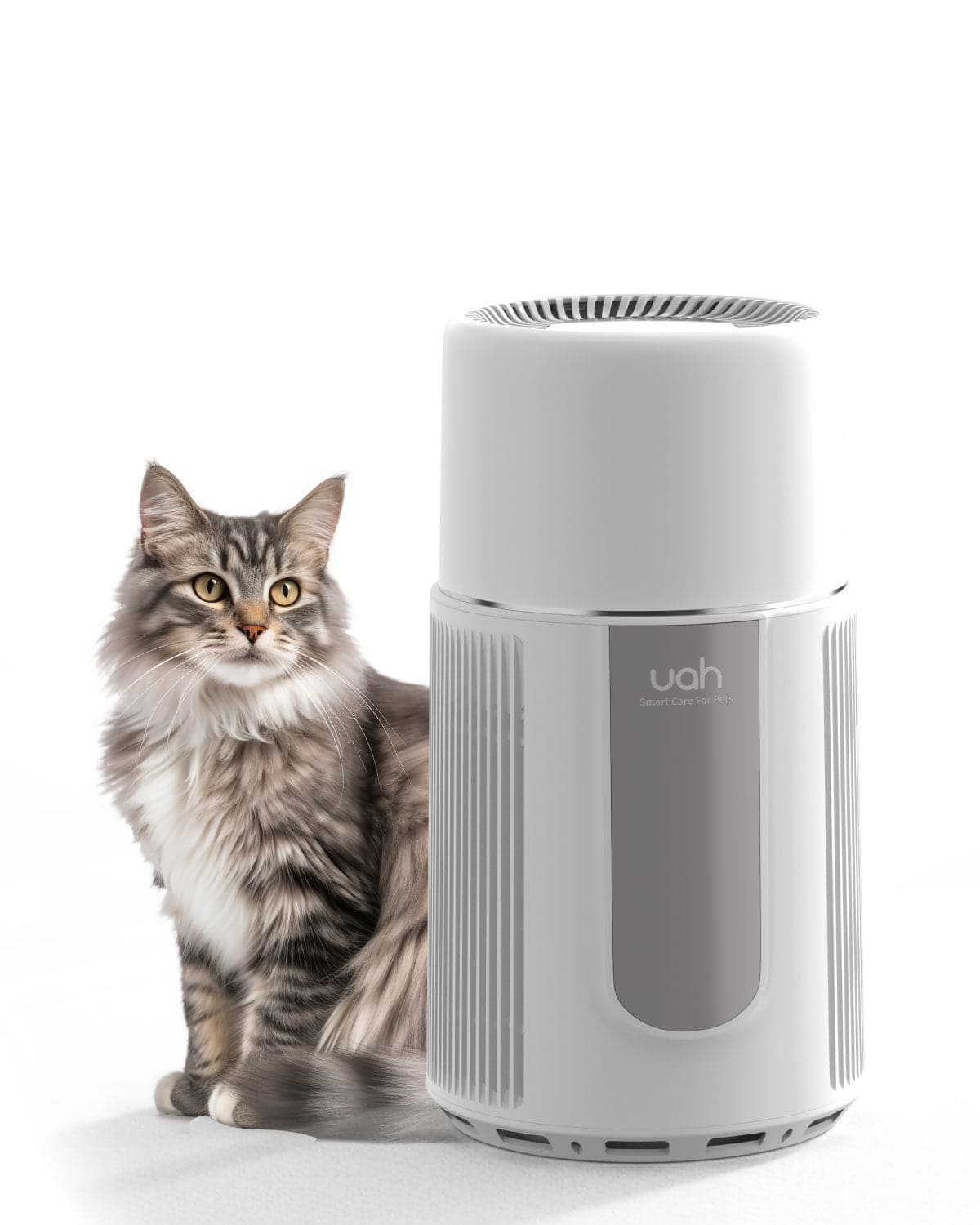
An air purifier can be a valuable tool in controlling litter box odors. Place the purifier near the litter box to help filter out any lingering smells. Look for a purifier with a HEPA filter and activated carbon, as these are particularly effective at removing odors and improving air quality.
Experiment with Different Solutions
Every pet and home is different, so it may take some trial and error to find the best odor control solution for your situation. Don't be afraid to experiment with different types of litter, deodorizers, and cleaning routines until you find what works best for you and your pet. Consistency is key, so stick with the methods that provide the best results.
By following these tips, you can create a more pleasant environment for both you and your pet. A fresh-smelling litter box not only improves your home's air quality but also ensures your pet feels comfortable and happy. With a little effort and the right strategies, you can keep your litter box odor-free and enjoy a cleaner, fresher home.




