



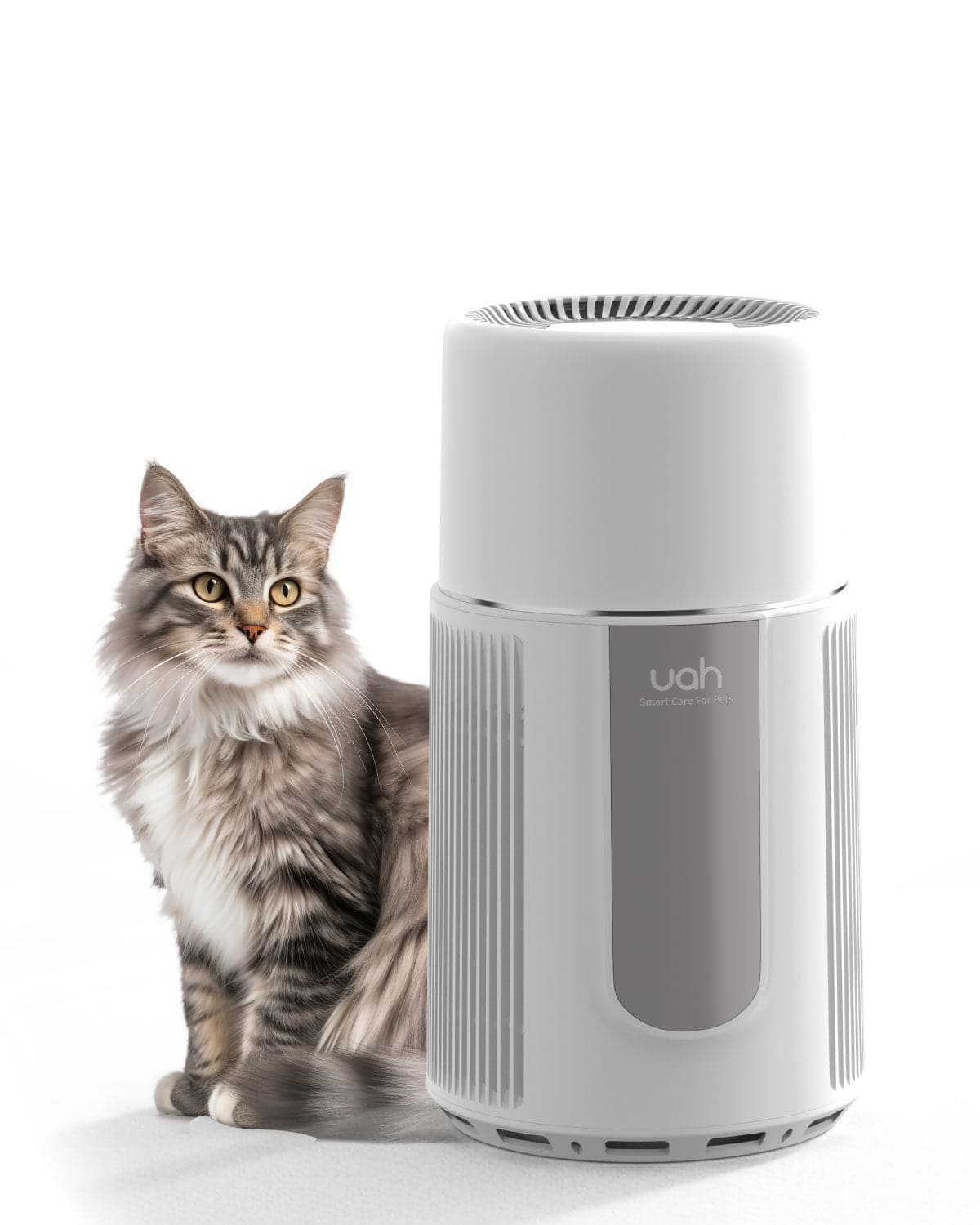


If you've ever found yourself asking, 'Why is my cat poop outside litter box?' you're not alone. This frustrating behavior can leave pet owners feeling perplexed and even a little desperate. Understanding the underlying causes and implementing effective solutions can help restore harmony in your home and ensure your feline friend is happy and healthy.
Common Reasons Why My Cat Poop Outside Litter Box
There are several reasons why your cat might be avoiding the litter box when it comes to pooping. One of the most common causes is a dirty litter box. Cats are naturally clean animals, and if their litter box isn't up to their standards, they may choose to go elsewhere. Make sure to clean the litter box regularly and provide a fresh, inviting environment for your cat.
Another possible reason is stress or anxiety. Cats are sensitive creatures, and changes in their environment, such as moving to a new home, introducing a new pet, or even rearranging furniture, can cause them to feel unsettled. This stress can manifest in various ways, including pooping outside the litter box. Identifying and addressing the source of your cat's anxiety can help resolve this issue.
Medical issues can also lead to litter box avoidance. Conditions such as urinary tract infections, constipation, or gastrointestinal problems can make it painful or uncomfortable for your cat to use the litter box. If you suspect a medical issue, it's essential to consult your veterinarian for a proper diagnosis and treatment plan.
How to Prevent My Cat Poop Outside Litter Box
Preventing your cat from pooping outside the litter box involves addressing the root cause of the behavior. Start by ensuring the litter box is clean and accessible. Place the litter box in a quiet, low-traffic area where your cat feels safe and comfortable. If you have multiple cats, provide one litter box per cat, plus an extra one, to avoid competition and territorial disputes.
Creating a stress-free environment is also crucial. Provide your cat with plenty of enrichment, such as toys, scratching posts, and cozy resting spots. If your cat is experiencing anxiety, consider using calming products or consulting with a feline behaviorist for additional support.
Regular veterinary check-ups are essential to rule out any underlying medical conditions. Keeping your cat healthy and addressing any health concerns promptly can prevent litter box issues from arising.
Training Tips to Encourage Proper Litter Box Use
If your cat has developed a habit of pooping outside the litter box, retraining may be necessary. Start by confining your cat to a small area with the litter box, food, and water. Gradually increase the space as your cat begins to use the litter box consistently. Positive reinforcement, such as treats and praise, can also encourage your cat to use the litter box.
It's important to avoid punishment, as this can increase your cat's stress and worsen the behavior. Instead, focus on creating a positive association with the litter box. Experiment with different types of litter and litter box designs to find what your cat prefers.
Consistency is key when it comes to training. Stick to a routine and be patient as your cat adjusts to the new expectations. With time and effort, your cat will likely return to using the litter box as intended.
When to Seek Professional Help
If you've tried various strategies and your cat continues to poop outside the litter box, it may be time to seek professional help. A veterinarian can rule out any medical issues and provide guidance on managing the behavior. In some cases, a feline behaviorist may be needed to address underlying psychological factors.
Remember, every cat is unique, and what works for one may not work for another. Be open to trying different approaches and seeking expert advice when needed. Your cat's well-being is worth the effort.
Dealing with a cat that poops outside the litter box can be challenging, but with the right approach, you can resolve the issue and strengthen your bond with your feline companion. By understanding the causes, implementing preventive measures, and seeking professional help when necessary, you can create a happy and healthy environment for your cat.





