




Bringing a new dog home is an exciting experience, but it can also come with challenges, especially if your furry friend isn’t drinking water. This behavior can be concerning for any pet owner, as proper hydration is essential for a dog’s health. Understanding the reasons behind this issue and knowing how to address it can make all the difference in ensuring your dog stays happy and healthy.
Why Is My New Dog Not Drinking Water?
There are several reasons why a new dog might not be drinking water. One of the most common causes is stress. Moving to a new environment can be overwhelming for a dog, leading to changes in behavior, including a reduced appetite and water intake. Additionally, unfamiliar surroundings, new people, and other pets can contribute to anxiety, making your dog less likely to drink.
Another possible reason is that your dog simply isn’t used to the water source. Dogs can be picky about the taste or temperature of water, and if it’s different from what they’re accustomed to, they may avoid it. Health issues, such as dental problems, gastrointestinal discomfort, or infections, can also lead to decreased water consumption. It’s important to monitor your dog closely and consult a veterinarian if you suspect an underlying medical condition.
How to Encourage Your Dog to Drink Water
If your new dog isn’t drinking water, there are several steps you can take to encourage hydration. Start by ensuring that the water is fresh and clean. Change the water in your dog’s bowl regularly and wash the bowl daily to prevent bacteria buildup. You can also try using a different type of bowl, as some dogs prefer stainless steel, ceramic, or plastic containers.
Adding flavor to the water can make it more appealing. For example, you can mix in a small amount of low-sodium broth or add a few ice cubes to make the water more enticing. Another effective method is to incorporate water into your dog’s meals. Wet food or adding water to dry kibble can help increase their fluid intake.
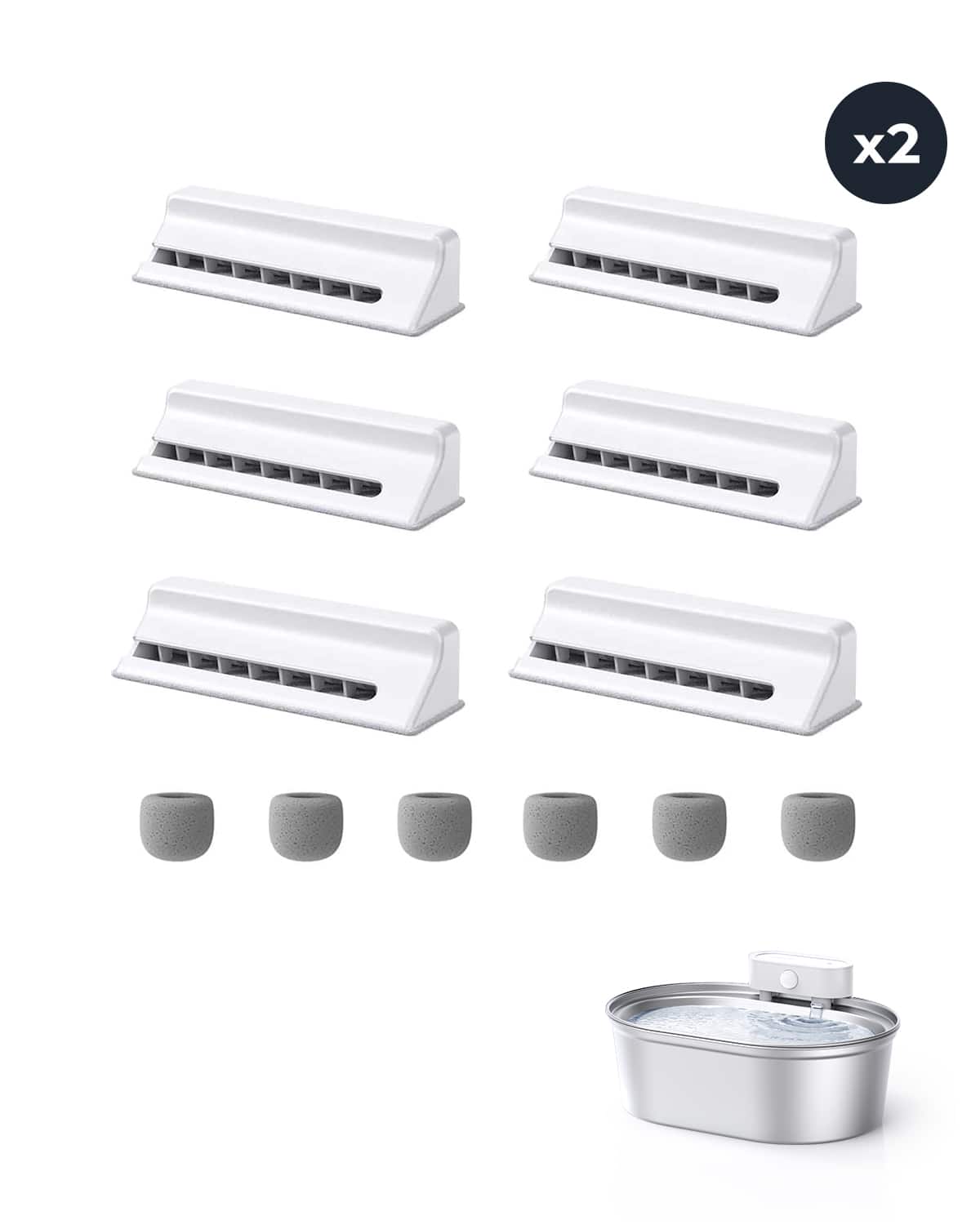
Creating a calm and comfortable environment for your dog can also encourage them to drink. Provide a quiet space where they can relax and feel safe. If your dog is still hesitant, try offering water at different times of the day or using a pet water fountain, as some dogs are attracted to moving water.
When to Seek Veterinary Help
While it’s normal for a new dog to take some time to adjust, prolonged refusal to drink water can be a sign of a serious issue. Dehydration can lead to severe health problems, including organ failure, so it’s crucial to act quickly if you notice symptoms such as lethargy, dry gums, sunken eyes, or loss of skin elasticity.
If your dog continues to avoid water for more than 24 hours, or if they show signs of illness, consult your veterinarian immediately. A professional can assess your dog’s health, identify any underlying conditions, and provide appropriate treatment. Early intervention can prevent complications and ensure your dog’s well-being.
Preventing Dehydration in Your Dog
Preventing dehydration is key to keeping your dog healthy, especially during the transition to a new home. Always ensure that fresh water is readily available and monitor your dog’s drinking habits. Pay attention to factors such as weather, activity level, and diet, as these can influence your dog’s hydration needs.
During hot weather or after vigorous exercise, offer water more frequently to prevent overheating. If your dog is on a dry food diet, consider supplementing with wet food or adding water to their meals. Regular check-ups with your veterinarian can also help detect and address any potential issues before they become serious.
Building a routine and providing a stable environment can help your new dog feel more comfortable and encourage healthy habits. With patience and care, you can ensure that your furry friend stays hydrated and thrives in their new home.
If you’ve recently brought home a new dog and noticed they’re not drinking water, don’t panic. By understanding the possible causes and taking proactive steps, you can help your dog stay hydrated and healthy. Remember, every dog is unique, and it may take time for them to adjust. Stay observant, provide plenty of love and support, and consult your veterinarian if needed. Your efforts will go a long way in ensuring your new companion feels at home and stays in peak condition.