




If you’ve noticed your old cat drinking a lot of water but acting normal, it’s natural to feel both curious and concerned. While increased water intake might seem harmless at first, it could be a subtle sign of an underlying health issue. Understanding the potential causes and knowing when to seek veterinary care can help you ensure your feline friend stays healthy and happy in their golden years.
Why Is My Old Cat Drinking More Water?
Increased water consumption, also known as polydipsia, is a common observation in older cats. While it might not always indicate a serious problem, it’s essential to explore the possible reasons behind this behavior. Here are some common causes:
- Kidney Disease: Chronic kidney disease is a prevalent condition in older cats. As the kidneys lose their ability to concentrate urine, your cat may drink more water to compensate.
- Diabetes Mellitus: Diabetes can cause excessive thirst in cats. When blood sugar levels are high, the body tries to flush out the excess glucose through urine, leading to increased water intake.
- Hyperthyroidism: This condition, which is common in older cats, can lead to increased metabolism and thirst.
- Urinary Tract Infections: Infections in the urinary tract can cause discomfort and increased water consumption as your cat tries to flush out the bacteria.
- Dehydration: Sometimes, increased water intake is simply a response to mild dehydration caused by factors like dry food or a warm environment.
When Should I Be Concerned?
While increased water intake isn’t always a cause for alarm, certain signs should prompt you to seek veterinary care. If your old cat drinking a lot of water is accompanied by any of the following symptoms, it’s time to consult your vet:
- Weight loss despite a normal appetite
- Lethargy or decreased activity levels
- Changes in urination patterns, such as frequent urination or accidents outside the litter box
- Vomiting or diarrhea
- Changes in appetite, either increased or decreased
How Can I Support My Aging Cat?
If your old cat drinking a lot of water is diagnosed with a health condition, there are several ways you can support their well-being:
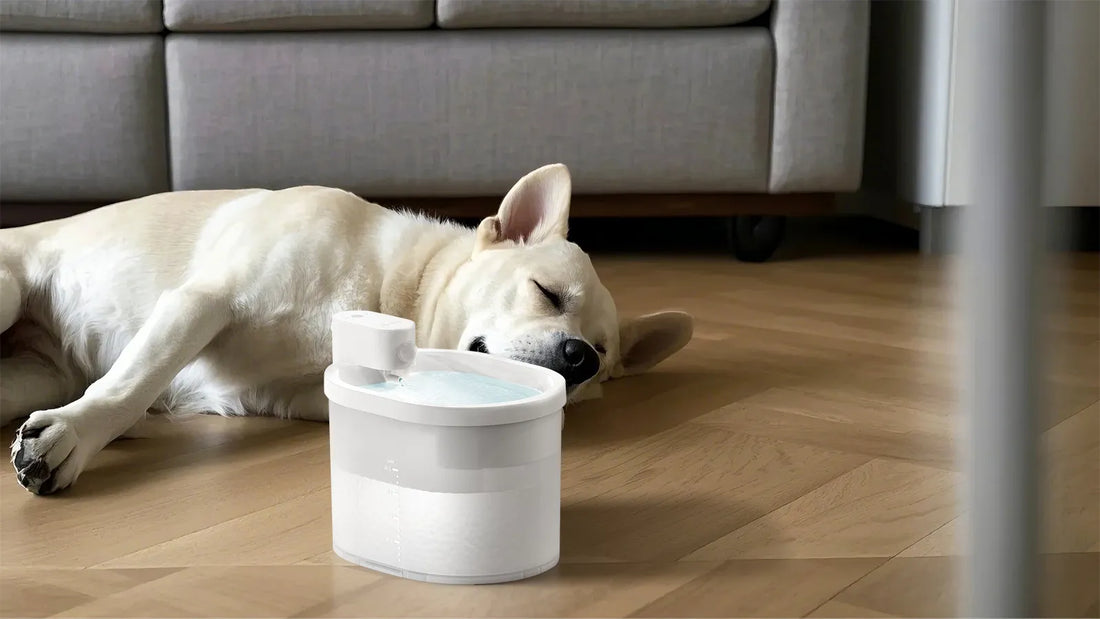
- Provide Fresh Water: Ensure your cat always has access to clean, fresh water. Consider using a water fountain to encourage hydration.
- Monitor Their Diet: Depending on the diagnosis, your vet may recommend a special diet to manage their condition.
- Regular Vet Checkups: Routine veterinary visits are crucial for early detection and management of age-related health issues.
- Create a Comfortable Environment: Older cats may benefit from a stress-free environment with easy access to food, water, and litter boxes.
Preventive Measures for Senior Cats
Prevention is always better than cure. Here are some steps you can take to keep your senior cat healthy:
- Balanced Nutrition: Feed your cat a high-quality diet tailored to their age and health needs.
- Hydration: Encourage water intake by offering wet food or adding water to their meals.
- Exercise: Gentle play sessions can help maintain your cat’s physical and mental health.
- Dental Care: Regular dental checkups and cleanings can prevent oral health issues that might affect their overall well-being.
Understanding Your Cat’s Behavior
It’s important to remember that every cat is unique. While some cats may naturally drink more water as they age, others might show different signs of health issues. Paying close attention to your cat’s behavior and habits can help you identify changes early and seek appropriate care.
If your old cat drinking a lot of water but acting normal has you worried, don’t hesitate to reach out to your veterinarian. Early detection and intervention can make a significant difference in managing age-related health conditions and ensuring your feline companion enjoys a comfortable and happy life.
Your cat’s health is a priority, and understanding the reasons behind their increased water intake is the first step toward providing the care they need. Stay vigilant, stay informed, and cherish the precious moments with your aging feline friend.