



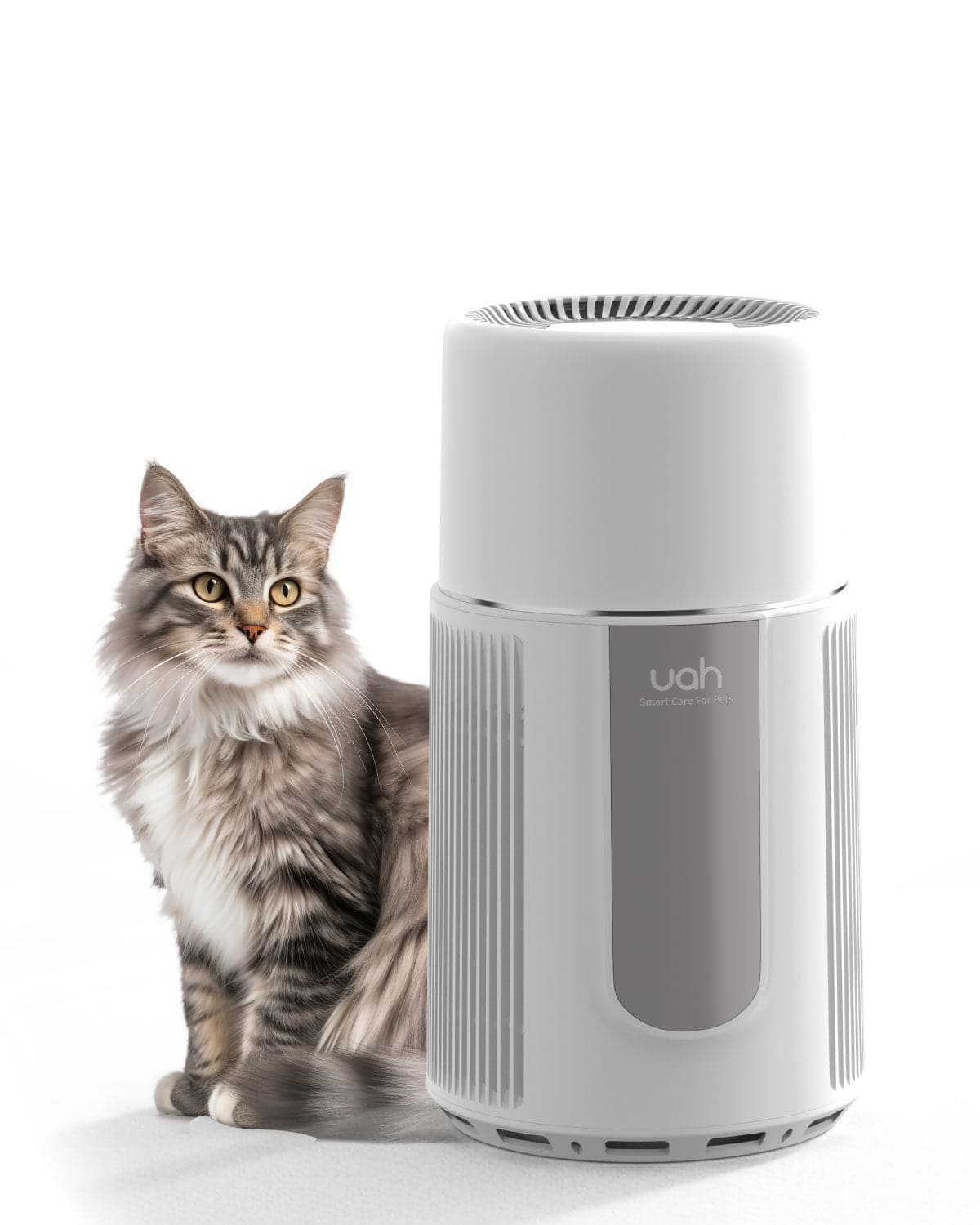


Living with allergies and pets can be a challenge, but plug in air purifiers offer a convenient solution to improve indoor air quality. These compact devices are designed to filter out allergens, pet dander, and other pollutants, making your home a healthier environment. In this article, we’ll explore the benefits of plug in air purifiers, how they work, and what to look for when choosing one.
Understanding Allergies and Pet-Related Air Quality Issues
Allergies are a common issue for many people, and pets can exacerbate these symptoms. Pet dander, which consists of tiny flakes of skin shed by animals, is a major allergen. Additionally, pet hair, saliva, and urine can contribute to poor air quality. Plug in air purifiers are specifically designed to capture these particles, reducing the likelihood of allergic reactions.
How Plug In Air Purifiers Work
Plug in air purifiers use a combination of filters and technologies to clean the air. Most models feature a HEPA filter, which is highly effective at trapping small particles like pet dander, pollen, and dust mites. Some purifiers also include activated carbon filters to remove odors and volatile organic compounds (VOCs). The compact design of these devices allows them to be plugged directly into a wall outlet, making them ideal for small spaces.
Benefits of Using Plug In Air Purifiers
There are numerous benefits to using plug in air purifiers, especially for those with allergies and pets. These devices can significantly reduce the presence of allergens in the air, leading to fewer allergy symptoms. They also help eliminate pet odors, making your home smell fresher. Additionally, plug in air purifiers are energy-efficient and easy to use, requiring minimal maintenance.
Key Features to Look For
When choosing a plug in air purifier, there are several key features to consider. Look for a model with a true HEPA filter, as this is the most effective at capturing allergens. Consider the size of the room where the purifier will be used, as some models are better suited for smaller spaces. Noise level is another important factor, especially if the purifier will be used in a bedroom or office. Finally, check the filter replacement frequency and cost to ensure it fits your budget.
Tips for Maximizing Air Purifier Effectiveness
To get the most out of your plug in air purifier, place it in a location where it can circulate air effectively. Keep doors and windows closed to prevent outdoor allergens from entering your home. Regularly clean and maintain your purifier, including replacing filters as recommended. If you have multiple pets or severe allergies, consider using more than one purifier in different rooms.
Common Misconceptions About Plug In Air Purifiers
There are several misconceptions about plug in air purifiers that can lead to confusion. One common myth is that these devices can completely eliminate all allergens and pollutants. While they are highly effective, they cannot remove every single particle from the air. Another misconception is that all air purifiers are the same. In reality, the effectiveness of a purifier depends on its features and the quality of its filters.
Comparing Plug In Air Purifiers to Other Types
Plug in air purifiers are just one type of air purification system available. Compared to larger, standalone units, plug in models are more compact and portable. However, they may not be as powerful or suitable for larger spaces. It’s important to weigh the pros and cons of each type to determine which is best for your needs.
Environmental Impact of Plug In Air Purifiers
While plug in air purifiers can improve indoor air quality, it’s also important to consider their environmental impact. These devices consume electricity, so choosing an energy-efficient model can help reduce your carbon footprint. Additionally, some purifiers use replaceable filters, which can contribute to waste. Look for models with washable or recyclable filters to minimize environmental impact.
Health Benefits Beyond Allergies
Plug in air purifiers offer health benefits beyond just reducing allergy symptoms. By removing pollutants like smoke, mold spores, and bacteria, these devices can help improve overall respiratory health. They can also create a more comfortable living environment by reducing odors and maintaining a consistent level of air quality.
Cost Considerations
The cost of plug in air purifiers can vary widely depending on the features and brand. While some models are affordable, others may be more expensive due to advanced technologies or additional features. It’s important to consider the long-term costs, including filter replacements and energy consumption, when making your decision.
User Reviews and Recommendations
Reading user reviews can provide valuable insights into the performance and reliability of plug in air purifiers. Look for reviews from people with similar needs, such as pet owners or allergy sufferers. Pay attention to comments about noise level, ease of use, and effectiveness in reducing allergens.
Maintenance and Care Tips
Proper maintenance is essential to keep your plug in air purifier functioning effectively. Regularly clean the exterior of the device to prevent dust buildup. Follow the manufacturer’s guidelines for filter replacement, as clogged filters can reduce performance. If your purifier has a washable filter, make sure to clean it thoroughly and allow it to dry completely before reinstalling.
Final Thoughts
Plug in air purifiers are a practical and effective solution for improving indoor air quality, especially for those with allergies and pets. By understanding how these devices work and what features to look for, you can make an informed decision that benefits your health and well-being. Whether you’re looking to reduce allergens, eliminate pet odors, or simply breathe easier, a plug in air purifier can make a significant difference in your home.





