

Feeding your cat might seem like a simple task, but there's more to it than just pouring all food into cat bowl. Understanding the nuances of feline nutrition and feeding habits can make a significant difference in your cat's health and well-being. This comprehensive guide will walk you through the essential steps to ensure your cat gets the best care possible.
Understanding Your Cat's Nutritional Needs
Cats are obligate carnivores, which means their diet must primarily consist of meat. Unlike omnivores, cats require specific nutrients that are only found in animal tissues. When you pour all food into cat bowl, it's crucial to ensure that the food meets these nutritional requirements. Look for high-quality cat food that lists meat as the first ingredient and is free from unnecessary fillers.
Portion Control: How Much to Pour
One of the most common mistakes cat owners make is overfeeding. When you pour all food into cat bowl, it's easy to lose track of portion sizes. Overfeeding can lead to obesity, which is a growing concern among domestic cats. To avoid this, follow the feeding guidelines provided on the cat food packaging. These guidelines are usually based on your cat's weight and age, ensuring they get the right amount of nutrients without overeating.
The Importance of a Clean Bowl
Hygiene is another critical aspect of feeding your cat. Before you pour all food into cat bowl, make sure the bowl is clean. Bacteria can quickly build up in dirty bowls, leading to potential health issues for your cat. Wash the bowl with hot, soapy water after each meal, and consider using stainless steel or ceramic bowls, as they are easier to clean and less likely to harbor bacteria compared to plastic ones.
Meal Frequency: How Often to Pour
Cats have different feeding habits compared to other pets. While some cats prefer to graze throughout the day, others do better with scheduled meals. When you pour all food into cat bowl, consider your cat's individual needs. Kittens, for example, require more frequent meals—up to four times a day—while adult cats can be fed twice daily. Senior cats may have different needs based on their health conditions, so consult your veterinarian for personalized advice.
Hydration: Don't Forget the Water
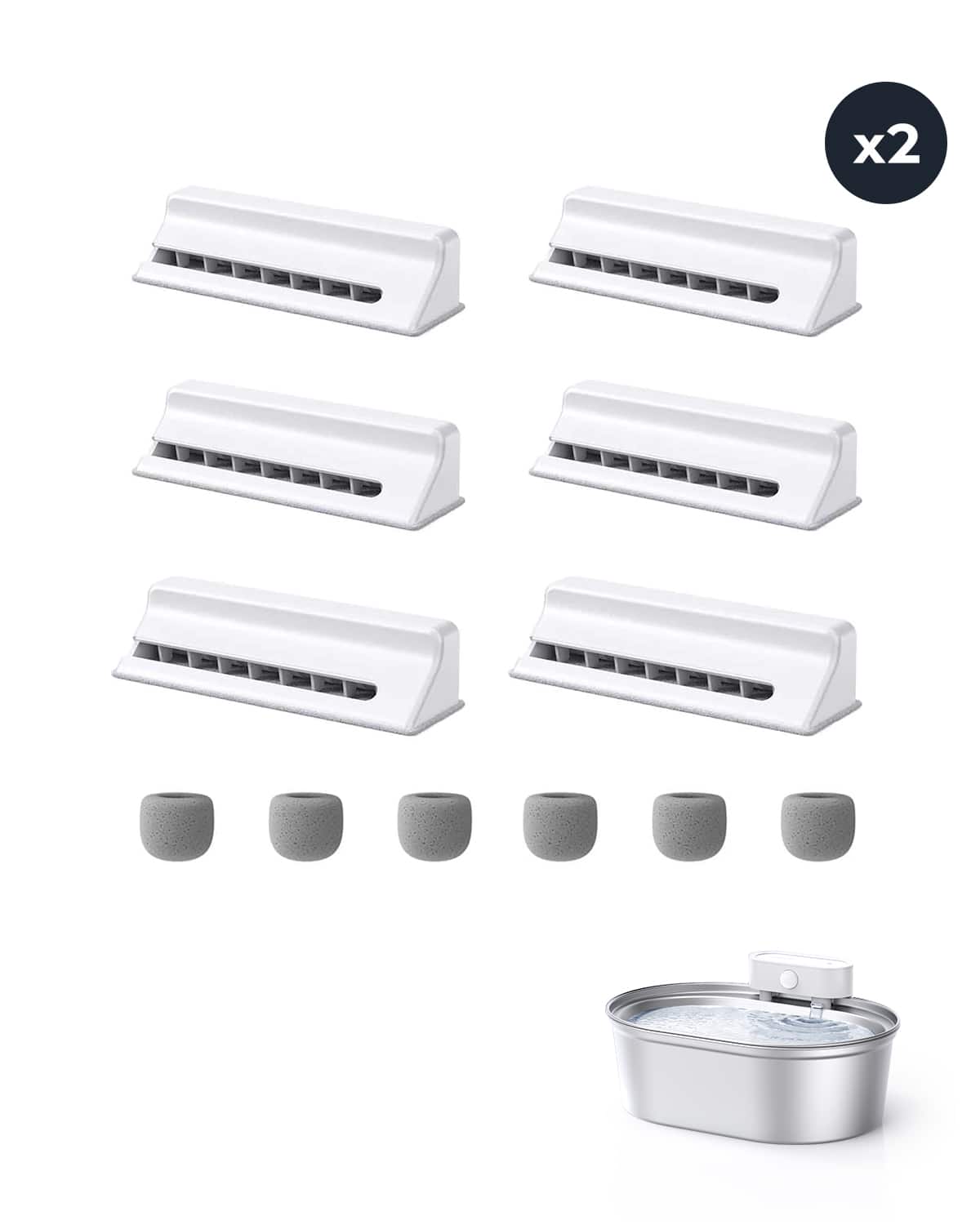
While it's essential to pour all food into cat bowl, don't overlook the importance of hydration. Cats are notorious for not drinking enough water, which can lead to urinary tract issues. Ensure your cat has access to fresh water at all times. Some cats prefer running water, so consider investing in a cat water fountain to encourage them to drink more.
Special Diets and Health Considerations
If your cat has specific health issues, such as diabetes or kidney disease, their dietary needs will differ. When you pour all food into cat bowl, make sure it aligns with their health requirements. Specialized diets are available for cats with various conditions, and your veterinarian can recommend the best options. Always monitor your cat's health and adjust their diet as needed.
Introducing New Foods
Cats can be picky eaters, so introducing new foods requires patience. When you pour all food into cat bowl, mix the new food with their current one gradually. Start with a small amount of the new food and increase the proportion over several days. This gradual transition helps prevent digestive upset and allows your cat to get used to the new taste and texture.
Monitoring Your Cat's Weight
Regularly monitoring your cat's weight is essential to ensure they are maintaining a healthy size. When you pour all food into cat bowl, keep an eye on their eating habits and body condition. If you notice any significant changes, such as sudden weight loss or gain, consult your veterinarian. They can help you adjust your cat's diet and address any underlying health issues.
Creating a Feeding Routine
Cats thrive on routine, so establishing a consistent feeding schedule is beneficial. When you pour all food into cat bowl, try to do it at the same times each day. This consistency helps regulate your cat's metabolism and reduces anxiety. Additionally, a set routine makes it easier for you to monitor their eating habits and ensure they are getting the right amount of food.
Dealing with Picky Eaters
If your cat is a picky eater, it can be challenging to ensure they get the nutrients they need. When you pour all food into cat bowl, experiment with different textures and flavors to find what your cat prefers. Some cats prefer wet food over dry, while others enjoy a mix of both. Be patient and persistent, and avoid giving in to unhealthy treats just to get them to eat.
Ensuring a Balanced Diet
A balanced diet is crucial for your cat's overall health. When you pour all food into cat bowl, ensure it provides a mix of proteins, fats, and essential vitamins and minerals. Avoid feeding your cat a diet that is too high in carbohydrates, as this can lead to weight gain and other health issues. Consult your veterinarian to create a balanced meal plan tailored to your cat's needs.
Addressing Food Allergies
Some cats may develop food allergies, which can cause skin irritations, digestive issues, and other health problems. When you pour all food into cat bowl, be mindful of any adverse reactions your cat may have. Common allergens include beef, dairy, and fish. If you suspect your cat has a food allergy, consult your veterinarian for testing and dietary recommendations.
Feeding Multiple Cats
If you have more than one cat, feeding them can be a bit more complicated. When you pour all food into cat bowl, ensure each cat has their own bowl to prevent competition and overeating. Some cats may require different types of food based on their age, health, or dietary needs. Monitor each cat's eating habits and adjust their portions as necessary to ensure they all get the nutrition they need.
Understanding Treats and Snacks
While treats can be a great way to bond with your cat, they should be given in moderation. When you pour all food into cat bowl, remember that treats should not make up more than 10% of your cat's daily caloric intake. Choose healthy, low-calorie treats and avoid those with artificial additives or excessive sugars. Always read the ingredient list to ensure the treats are safe for your cat.
Transitioning to Senior Diets
As your cat ages, their dietary needs will change. Senior cats may require fewer calories but more specific nutrients to support their aging bodies. When you pour all food into cat bowl, consider transitioning to a senior-specific diet that addresses these needs. Regular veterinary check-ups can help you stay on top of any dietary adjustments your cat may require.
Feeding During Pregnancy and Lactation
If your cat is pregnant or nursing, her nutritional needs will increase significantly. When you pour all food into cat bowl, ensure it is high in calories and nutrients to support both her and her kittens. Specialized diets for pregnant and lactating cats are available and can provide the necessary support. Consult your veterinarian for specific feeding recommendations during this critical time.
Handling Food Storage
Proper food storage is essential to maintain the quality and safety of your cat's food. When you pour all food into cat bowl, ensure the remaining food is stored correctly. Dry food should be kept in an airtight container to prevent it from becoming stale or contaminated. Wet food should be refrigerated and used within a few days. Always check the expiration date and discard any expired or spoiled food.
Recognizing Signs of Nutritional Deficiencies
Nutritional deficiencies can have serious consequences for your cat's health. When you pour all food into cat bowl, be vigilant for signs of deficiencies, such as dull coat, lethargy, or digestive issues. If you suspect your cat is not getting the nutrients they need, consult your veterinarian for a thorough evaluation and dietary adjustments.
Incorporating Supplements
In some cases, your cat may benefit from dietary supplements. When you pour all food into cat bowl, consider adding supplements if recommended by your veterinarian. Common supplements include omega-3 fatty acids for skin and coat health, probiotics for digestive support, and joint supplements for older cats. Always consult your veterinarian before introducing any supplements to your cat's diet.
Feeding in Multi-Pet Households
In households with multiple pets, feeding can become a bit more complex. When you pour all food into cat bowl, ensure that each pet has their own designated feeding area to prevent food theft and competition. Cats and dogs, for example, have different dietary needs, so it's important to feed them separately and monitor their eating habits to ensure they are both getting the nutrition they need.
Addressing Behavioral Issues Related to Feeding
Some cats may develop behavioral issues related to feeding, such as food aggression or anxiety. When you pour all food into cat bowl, observe your cat's behavior and address any issues promptly. Providing a calm and quiet feeding environment can help reduce anxiety, while feeding multiple small meals throughout the day can help manage food aggression. Consult a veterinarian or animal behaviorist for personalized advice if needed.
Understanding the Role of Wet vs. Dry Food
Both wet and dry cat food have their pros and cons. When you pour all food into cat bowl, consider the benefits of each. Wet food is higher in moisture, which can help with hydration, while dry food is more convenient and can help with dental health. Some cats do well on a combination of both, so experiment to find what works best for your feline friend.
Feeding Cats with Dental Issues
Cats with dental problems may require special feeding considerations. When you pour all food into cat bowl, choose softer foods that are easier for them to chew. Wet food or specially formulated dental diets can be beneficial. Regular dental check-ups and cleanings are also essential to maintain your cat's oral health and overall well-being.
Feeding Stray or Feral Cats
If you are caring for stray or feral cats, their feeding needs may differ from those of domestic cats. When you pour all food into cat bowl, ensure it is high in calories and nutrients to support their outdoor lifestyle. Providing fresh water is also crucial. Consider setting up a feeding station in a safe and quiet location to encourage the cats to return regularly.
Feeding Cats with Chronic Illnesses
Cats with chronic illnesses, such as kidney disease or diabetes, require specialized diets. When you pour all food into cat bowl, ensure it aligns with their medical needs. Prescription diets are available and can help manage these conditions effectively. Regular veterinary check-ups are essential to monitor your cat's health and adjust their diet as needed.
Feeding Kittens: Special Considerations
Kittens have unique nutritional needs to support their rapid growth and development. When you pour all food into cat bowl, choose a high-quality kitten food that is rich in protein and essential nutrients. Kittens require more frequent meals—up to four times a day—so ensure they have access to food throughout the day. Monitor their growth and consult your veterinarian for any dietary adjustments.
Feeding Cats with Food Sensitivities
Some cats may have food sensitivities that require a specialized diet. When you pour all food into cat bowl, be mindful of any adverse reactions your cat may have. Limited ingredient diets or hypoallergenic foods can help manage these sensitivities. Consult your veterinarian for testing and dietary recommendations to ensure your cat gets the nutrition they need without triggering any sensitivities.
Feeding Cats with Weight Management Needs
If your cat needs to lose or gain weight, their diet will need to be adjusted accordingly. When you pour all food into cat bowl, ensure it aligns with their weight management goals. Weight loss diets are lower in calories but still provide essential nutrients, while weight gain diets are higher in calories to support healthy weight gain. Regular monitoring and veterinary check-ups are essential to track progress and make necessary adjustments.
Feeding Cats with Digestive Issues
Cats with digestive problems may require a specialized diet to manage their symptoms. When you pour all food into cat bowl, choose easily digestible foods that are gentle on their stomach. Probiotics and prebiotics can also help support digestive health. Consult your veterinarian for specific dietary recommendations and any necessary supplements to help manage your cat's digestive issues.
Feeding Cats with Skin and Coat Issues
A healthy diet is essential for maintaining your cat's skin and coat. When you pour all food into cat bowl, ensure it is rich in omega-3 and omega-6 fatty acids, which support skin and coat health. If your cat has skin issues, such as dryness or excessive shedding, consider adding a skin and coat supplement to their diet. Regular grooming and veterinary check-ups can also help maintain their skin and coat health.
Feeding Cats with Urinary Tract Issues
Cats are prone to urinary tract issues, which can be managed with a specialized diet. When you pour all food into cat bowl, ensure it supports urinary health by maintaining the right pH balance and providing adequate hydration. Wet food can be particularly beneficial for cats with urinary tract issues, as it helps increase their water intake. Regular veterinary check-ups are essential to monitor their urinary health and make any necessary dietary adjustments.
Feeding Cats with Allergies
Cats with allergies may require a specialized diet to manage their symptoms. When you pour all food into cat bowl, ensure it is free from common allergens, such as beef, dairy, and fish. Limited ingredient diets or hypoallergenic foods can help manage these allergies. Consult your veterinarian for testing and dietary recommendations to ensure your cat gets the nutrition they need without triggering any allergic reactions.
Feeding Cats with Joint Issues
Older cats or those with joint problems may benefit from a diet that supports joint health. When you pour all food into cat bowl, ensure it includes ingredients that promote joint health, such as glucosamine and chondroitin. Specialized joint diets are available and can help manage joint issues effectively. Regular veterinary check-ups are essential to monitor your cat's joint health and make any necessary dietary adjustments.
Feeding Cats with Diabetes
Cats with diabetes require a specialized diet to manage their condition. When you pour all food into cat bowl, ensure it is low in carbohydrates and high in protein to help regulate blood sugar levels. Prescription diets are available and can provide the necessary support. Regular monitoring and veterinary check-ups are essential to manage your cat's diabetes effectively and make any necessary dietary adjustments.
Feeding Cats with Kidney Disease
Cats with kidney disease require a specialized diet to manage their condition. When you pour all food into cat bowl, ensure it is low in phosphorus and protein to reduce the workload on the kidneys. Prescription diets are available and can provide the necessary support. Regular monitoring and veterinary check-ups are essential to manage your cat's kidney disease effectively and make any necessary dietary adjustments.
Feeding Cats with Liver Disease
Cats with liver disease require a specialized diet to manage their condition. When you pour all food into cat bowl, ensure it is high in easily digestible proteins and low in fat to support liver function. Prescription diets are available and can provide the necessary support. Regular monitoring and veterinary check-ups are essential to manage your cat's liver disease effectively and make any necessary dietary adjustments.
Feeding Cats with Heart Disease
Cats with heart disease require a specialized diet to manage their condition. When you pour all food into cat bowl, ensure it is low in sodium and includes ingredients that support heart health, such as taurine. Prescription diets are available and can provide the necessary support. Regular monitoring and veterinary check-ups are essential to manage your cat's heart disease effectively and make any necessary dietary adjustments.
Feeding Cats with Cancer
Cats with cancer may require a specialized diet to support their overall health and manage their condition. When you pour all food into cat bowl, ensure it is high in calories and nutrients to support their immune system and overall well-being. Prescription diets are available and can provide the necessary support. Regular monitoring and veterinary check-ups are essential to manage your cat's cancer effectively and make any necessary dietary adjustments.
Feeding Cats with Thyroid Issues
Cats with thyroid issues, such as hyperthyroidism, require a specialized diet to manage their condition. When you pour all food into cat bowl, ensure it is low in iodine to help regulate thyroid function. Prescription diets are available and can provide the necessary support. Regular monitoring and veterinary check-ups are essential to manage your cat's thyroid issues effectively and make any necessary dietary adjustments.
Feeding Cats with Pancreatitis
Cats with pancreatitis require a specialized diet to manage their condition. When you pour all food into cat bowl, ensure it is low in fat and easily digestible to reduce the workload on the pancreas. Prescription diets are available and can provide the necessary support. Regular monitoring and veterinary check-ups are essential to manage your cat's pancreatitis effectively and make any necessary dietary adjustments.
Feeding Cats with Inflammatory Bowel Disease
Cats with inflammatory bowel disease (IBD) require a specialized diet to manage their condition. When you pour all food into cat bowl, ensure it is easily digestible and free from common allergens. Prescription diets are available and can provide the necessary support. Regular monitoring and veterinary check-ups are essential to manage your cat's IBD effectively and make any necessary dietary adjustments.
Feeding Cats with Food Intolerances
Cats with food intolerances may require a specialized diet to manage their symptoms. When you pour all food into cat bowl, ensure it is free from ingredients that trigger their intolerance. Limited ingredient diets or hypoallergenic foods can help manage these intolerances. Consult your veterinarian for testing and dietary recommendations to ensure your cat gets the nutrition they need without triggering any adverse reactions.
Feeding Cats with Gastrointestinal Issues
Cats with gastrointestinal issues may require a specialized diet to manage their symptoms. When you pour all food into cat bowl, ensure it is easily digestible and gentle on their stomach. Probiotics and prebiotics can also help support digestive health. Consult your veterinarian for specific dietary recommendations and any necessary supplements to help manage your cat's gastrointestinal issues.
Feeding Cats with Food Allergies
Cats with food allergies may require a specialized diet to manage their symptoms. When you pour all food into cat bowl, ensure it is free from common allergens, such as beef, dairy, and fish. Limited ingredient diets or hypoallergenic foods can help manage these allergies. Consult your veterinarian for testing and dietary recommendations to ensure your cat gets the nutrition they need without triggering any allergic reactions.
Feeding Cats with Skin Conditions
Cats with skin conditions may require a specialized diet to manage their symptoms. When you pour all food into cat bowl, ensure it is rich in omega-3 and omega-6 fatty acids, which support skin health. Specialized skin diets are available and can help manage skin conditions effectively. Regular grooming and veterinary check-ups can also help maintain your cat's skin health.
Feeding Cats with Coat Issues
Cats with coat issues may require a specialized diet to manage their symptoms. When you pour all food into cat bowl, ensure it is rich in omega-3 and omega-6 fatty acids, which support coat health. Specialized coat diets are available and can help manage coat issues effectively. Regular grooming and veterinary check-ups can also help maintain your cat's coat health.
Feeding Cats with Hairball Issues
Cats with hairball issues may require a specialized diet to manage their symptoms. When you pour all food into cat bowl, ensure it includes ingredients that help reduce hairball formation, such as fiber. Specialized hairball diets are available and can help manage hairball issues effectively. Regular grooming and veterinary check-ups can also help reduce hairball formation.
Feeding Cats with Dental Problems
Cats with dental problems may require a specialized diet to manage their symptoms. When you pour all food into cat bowl, ensure it includes ingredients that support dental health, such as enzymes that reduce plaque and tartar buildup. Specialized dental diets are available and can help manage dental problems effectively. Regular dental check-ups and cleanings are also essential to maintain your cat's oral health.
Feeding Cats with Obesity
Cats with obesity require a specialized diet to manage their weight. When you pour all food into cat bowl, ensure it is low in calories but still provides essential nutrients. Weight loss diets are available and can help manage obesity effectively. Regular monitoring and veterinary check-ups are essential to track progress and make necessary adjustments.
Feeding Cats with Underweight Issues
Cats that are underweight may require a specialized diet to support healthy weight gain. When you pour all food into cat bowl, ensure it is high in calories and nutrients to support their overall health. Weight gain diets are available and can help manage underweight issues effectively. Regular monitoring and veterinary check-ups are essential to track progress and make necessary adjustments.
Feeding Cats with Allergies
Cats with allergies may require a specialized diet to manage their symptoms. When you pour all food into cat bowl, ensure it is free from common allergens, such as beef, dairy, and fish. Limited ingredient diets or hypoallergenic foods can help manage these allergies. Consult your veterinarian for testing and dietary recommendations to ensure your cat gets the nutrition they need without triggering any allergic reactions.
Feeding Cats with Food Sensitivities
Cats with food sensitivities may require a specialized diet to manage their symptoms. When you pour all food into cat bowl, ensure it is free from ingredients that trigger their sensitivity. Limited ingredient diets or hypoallergenic foods can help manage these sensitivities. Consult your veterinarian for testing and dietary recommendations to ensure your cat gets the nutrition they need without triggering any adverse reactions.
Feeding Cats with Chronic Illnesses
Cats with chronic illnesses, such as kidney disease or diabetes, require specialized diets. When you pour all food into cat bowl, ensure it aligns with their medical needs. Prescription diets are available and can help manage these conditions effectively. Regular veterinary check-ups are essential to monitor your cat's health and adjust their diet as needed.
Feeding Cats with Special Dietary Needs
Cats with special dietary needs, such as those with food allergies or chronic illnesses, require specialized diets. When you pour all food into cat bowl, ensure it meets their specific requirements. Consult your veterinarian for personalized dietary recommendations to ensure your cat gets the nutrition they need to thrive.
Feeding your cat is more than just a routine task—it's an opportunity to ensure their health and happiness. By understanding their nutritional needs and following best practices when you pour all food into cat bowl, you can provide your feline friend with the care they deserve. Remember, a well-fed cat is a happy cat, and your efforts will be rewarded with their love and companionship.