

When it comes to owning a cat, one of the most essential items you'll need is a litter box. However, managing a used cat litter box can be a daunting task for many pet owners. From hygiene concerns to odor control, there's a lot to consider. This article will guide you through everything you need to know about used cat litter boxes, ensuring a clean and comfortable environment for both you and your feline companion.
Understanding the Importance of a Clean Litter Box
A clean litter box is crucial for your cat's health and well-being. Cats are naturally clean animals, and a dirty litter box can lead to stress, anxiety, and even health issues. Regularly cleaning and maintaining the litter box not only keeps your cat happy but also prevents unpleasant odors from permeating your home.
How Often Should You Clean a Used Cat Litter Box?
The frequency of cleaning a used cat litter box depends on several factors, including the number of cats you have and the type of litter you use. Generally, it's recommended to scoop the litter box at least once a day. For households with multiple cats, you may need to scoop it more frequently. Additionally, a complete litter change and thorough cleaning of the box should be done every one to two weeks.
Choosing the Right Litter for Your Cat
Selecting the right type of litter is essential for maintaining a clean and odor-free litter box. There are various options available, including clumping, non-clumping, silica gel, and biodegradable litters. Each type has its pros and cons, so it's important to choose one that suits your cat's preferences and your cleaning routine. Experimenting with different types can help you find the perfect match.
Tips for Cleaning a Used Cat Litter Box
Cleaning a used cat litter box doesn't have to be a chore. Here are some tips to make the process easier and more effective:
- Use a dedicated scoop and gloves to avoid direct contact with the litter.
- Dispose of the used litter in a sealed bag to prevent odors from spreading.
- Wash the litter box with mild soap and warm water, avoiding harsh chemicals that could irritate your cat.
- Allow the box to dry completely before adding fresh litter.
Eco-Friendly Disposal Methods for Used Cat Litter
Disposing of used cat litter in an environmentally friendly way is becoming increasingly important. Biodegradable litters can be composted, but it's essential to follow specific guidelines to ensure safety. Avoid flushing cat litter down the toilet, as it can cause plumbing issues and harm aquatic ecosystems. Instead, consider using biodegradable bags and disposing of the litter in your regular trash.
Dealing with Litter Box Odors
One of the biggest challenges of managing a used cat litter box is controlling odors. Here are some effective strategies:
- Use odor-absorbing litters or add baking soda to the litter box.
- Place the litter box in a well-ventilated area to prevent odors from lingering.
- Regularly clean the box and replace the litter to minimize odor buildup.
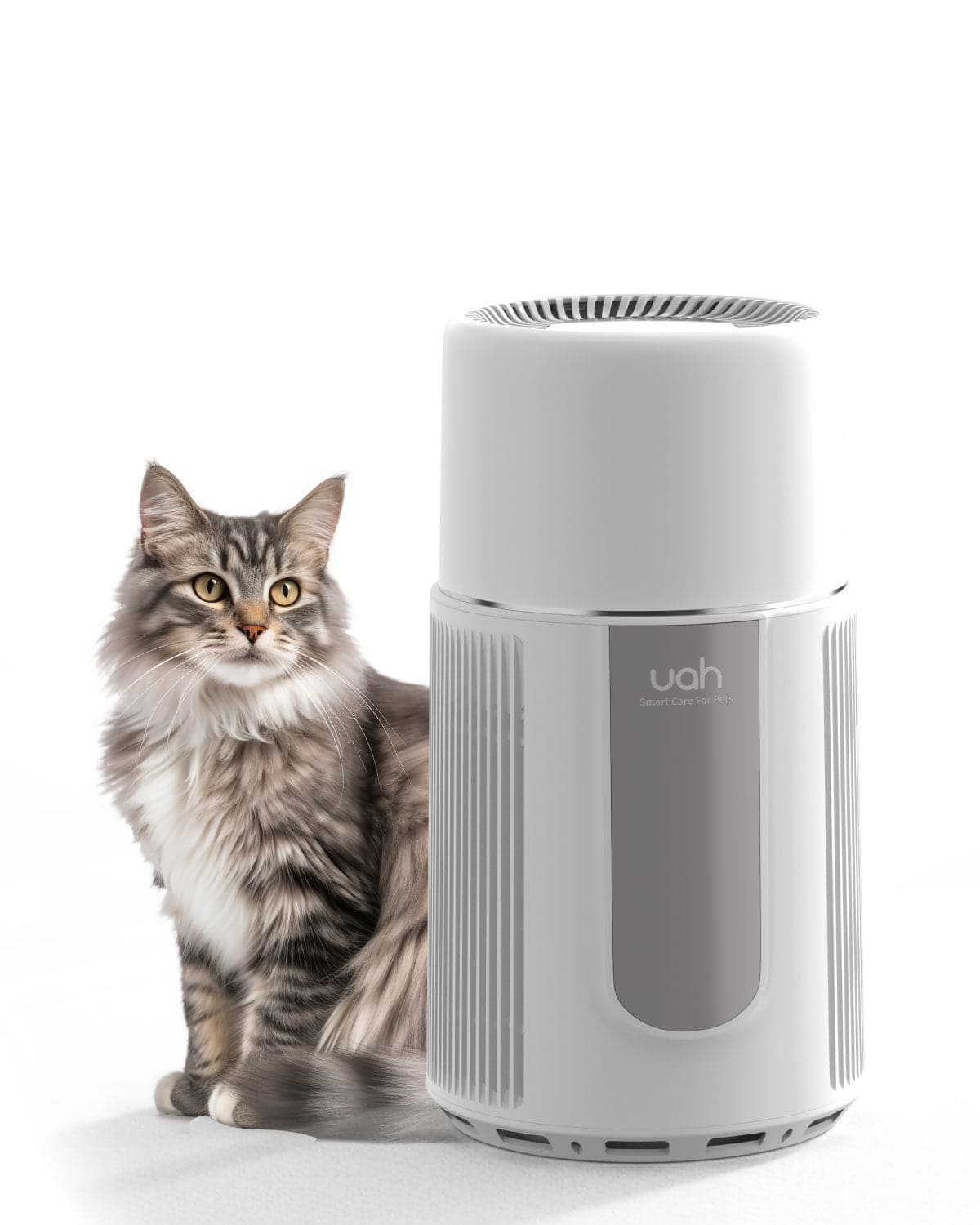
- Consider using an air purifier or odor-neutralizing sprays in the room where the litter box is located.
Common Mistakes to Avoid with Used Cat Litter Boxes
Even experienced cat owners can make mistakes when it comes to managing a used cat litter box. Here are some common pitfalls to avoid:
- Neglecting to clean the box regularly, leading to odor and hygiene issues.
- Using scented litters or cleaning products that may irritate your cat.
- Placing the litter box in a high-traffic or noisy area, causing stress for your cat.
- Overfilling the box with litter, making it difficult for your cat to use comfortably.
Health Considerations for Used Cat Litter Boxes
Maintaining a clean litter box is not just about comfort; it's also about health. Used cat litter can harbor bacteria and parasites that pose risks to both cats and humans. Pregnant women, in particular, should avoid handling used cat litter due to the risk of toxoplasmosis. Always wash your hands thoroughly after cleaning the litter box and consider using gloves for added protection.
Alternatives to Traditional Litter Boxes
If you're looking for alternatives to traditional litter boxes, there are several options to consider. Self-cleaning litter boxes can save time and effort, while covered litter boxes offer privacy and help contain odors. Some pet owners opt for litter box furniture that blends seamlessly with home decor. Each option has its benefits, so choose one that aligns with your lifestyle and your cat's needs.
Managing a used cat litter box may seem overwhelming at first, but with the right knowledge and tools, it can become a seamless part of your routine. By following these tips and guidelines, you'll ensure a clean, odor-free, and healthy environment for your beloved feline friend. Remember, a happy cat starts with a clean litter box!