




If you're a cat owner, you know that managing odors is one of the biggest challenges of pet parenthood. Finding the best cat litter box for odor control can make a world of difference in keeping your home fresh and welcoming. But with so many options on the market, how do you choose the right one? This comprehensive guide will walk you through everything you need to know to make an informed decision.
Understanding the Importance of Odor Control
Odor control is not just about keeping your home smelling nice; it's also about creating a comfortable environment for both you and your feline friend. Cats are naturally clean animals, and a smelly litter box can deter them from using it, leading to accidents around the house. Additionally, strong odors can be unpleasant for you and your guests, making it essential to invest in a litter box that effectively manages smells.
Key Features to Look For
When searching for the best cat litter box for odor control, there are several key features to consider:
- Covered Design: A covered litter box helps contain odors and prevents litter from being scattered around your home.
- Ventilation: Proper ventilation allows air to circulate, reducing the buildup of unpleasant smells.
- High-Quality Materials: Durable, non-porous materials are easier to clean and less likely to retain odors.
- Built-In Filters: Some litter boxes come with built-in carbon filters that neutralize odors as they escape.
- Easy Cleaning: A litter box that is easy to clean will help you maintain a fresh environment for your cat.
Types of Cat Litter Boxes
There are several types of cat litter boxes available, each with its own advantages and disadvantages when it comes to odor control:
Open Litter Boxes
Open litter boxes are the most basic type and are generally the least expensive. While they are easy to clean, they offer minimal odor control since there is no cover to contain smells. However, they can be a good option if you are diligent about cleaning and using high-quality litter.
Covered Litter Boxes
Covered litter boxes are more effective at controlling odors because they have a lid that traps smells inside. Many covered boxes also come with a built-in filter to further neutralize odors. The downside is that some cats may feel confined in a covered box, so it's important to monitor your cat's comfort level.
Self-Cleaning Litter Boxes
Self-cleaning litter boxes are a convenient option for busy pet owners. These boxes automatically remove waste, reducing the amount of time you need to spend cleaning and helping to control odors. However, they can be more expensive and may require specific types of litter.
Top-Entry Litter Boxes
Top-entry litter boxes are designed to minimize litter tracking and contain odors. The unique design allows cats to enter from the top, which helps keep litter inside the box. These boxes are also more discreet and can blend in better with your home decor.
Tips for Maximizing Odor Control
In addition to choosing the right litter box, there are several steps you can take to maximize odor control:
- Regular Cleaning: Scoop the litter box daily and change the litter completely at least once a week.
- Use High-Quality Litter: Opt for a litter that is specifically designed for odor control, such as clumping or silica-based litter.
- Add Baking Soda: Sprinkling baking soda in the litter box can help neutralize odors naturally.
- Place the Litter Box in a Well-Ventilated Area: Avoid placing the litter box in a small, enclosed space where odors can build up.
- Consider Multiple Boxes: If you have more than one cat, it's a good idea to have multiple litter boxes to reduce odor and prevent overcrowding.
Common Mistakes to Avoid
When it comes to odor control, there are a few common mistakes that cat owners often make:
- Neglecting Regular Cleaning: Even the best litter box won't control odors if it's not cleaned regularly.
- Using the Wrong Type of Litter: Not all litters are created equal when it comes to odor control. Be sure to choose a litter that is effective at managing smells.
- Overfilling the Litter Box: Adding too much litter can make it difficult for your cat to bury their waste, leading to stronger odors.
- Ignoring Your Cat's Preferences: If your cat doesn't like the litter box, they may avoid using it, leading to accidents and increased odors.
How to Introduce a New Litter Box
If you decide to switch to a new litter box, it's important to introduce it gradually to ensure your cat is comfortable with the change. Start by placing the new box next to the old one and allow your cat to explore it at their own pace. Once your cat is using the new box regularly, you can remove the old one. Be patient, as some cats may take time to adjust to a new litter box.
Maintaining a Fresh-Smelling Home
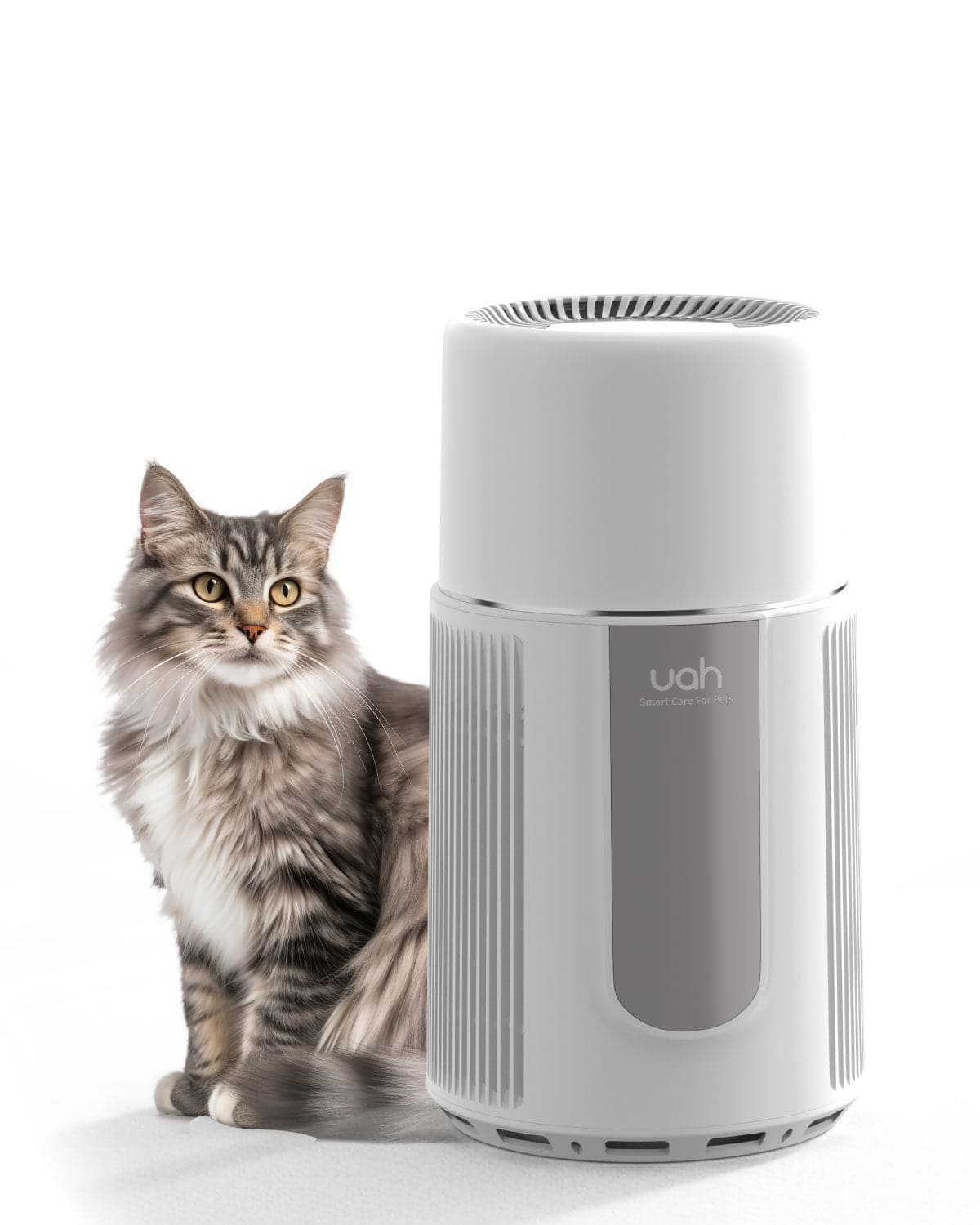
Keeping your home smelling fresh goes beyond just choosing the right litter box. Regular cleaning, proper ventilation, and using odor-neutralizing products can all contribute to a pleasant environment. Additionally, consider using air purifiers or deodorizers in the area where the litter box is located to further reduce odors.
Finding the best cat litter box for odor control is a game-changer for any cat owner. By considering the key features, types, and tips outlined in this guide, you can create a fresh and comfortable environment for both you and your feline friend. Don't let unpleasant odors take over your home—take control today and enjoy a cleaner, fresher living space.