




Have you ever noticed your cat avoiding their water bowl, leaving you puzzled and concerned? Cats are known for their finicky behaviors, and their drinking habits are no exception. Understanding why your cat won't drink water is crucial for ensuring their health and well-being. This article delves into the possible reasons behind this behavior and offers actionable solutions to keep your feline hydrated.
Understanding Feline Hydration Needs
Cats have unique hydration needs that differ from other pets. Unlike dogs, cats are descendants of desert-dwelling animals, which means they have evolved to obtain most of their water from their prey. This evolutionary trait often results in cats having a lower thirst drive, making them less likely to drink water regularly. However, this doesn't mean they don't need water. Proper hydration is essential for maintaining kidney function, digestion, and overall health.
Common Reasons Why Cats Avoid Water
There are several reasons why your cat might be avoiding water. One common cause is the location of the water bowl. Cats are sensitive to their environment, and if their water bowl is placed near their food or litter box, they may be less inclined to drink. Additionally, the type of water bowl can make a difference. Some cats prefer shallow bowls, while others may avoid metal or plastic bowls due to taste or temperature issues.
Another factor to consider is the quality of the water. Cats have a keen sense of smell and taste, and they may refuse to drink water that has been sitting out for too long or has an unpleasant odor. Ensuring that your cat has access to fresh, clean water at all times is essential.
Health Issues That Affect Hydration
Sometimes, a cat's reluctance to drink water can be a sign of an underlying health issue. Dental problems, such as tooth decay or gum disease, can make drinking water painful for your cat. Kidney disease, diabetes, and urinary tract infections can also affect your cat's hydration levels. If you notice any changes in your cat's drinking habits, it's important to consult with a veterinarian to rule out any medical conditions.
How to Encourage Your Cat to Drink More Water
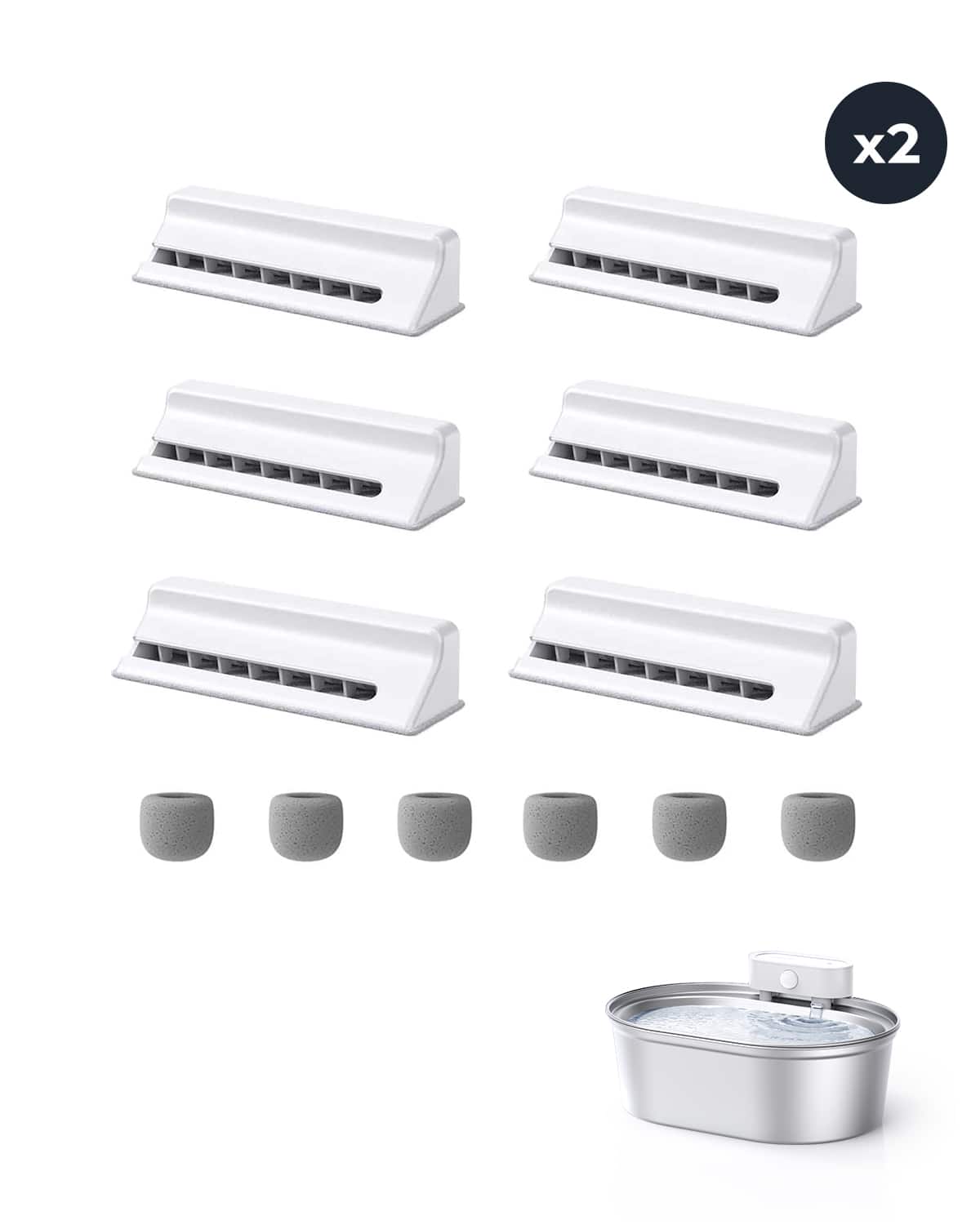
There are several strategies you can use to encourage your cat to drink more water. One effective method is to provide multiple water sources throughout your home. This can include water bowls in different rooms or even a cat water fountain, which many cats find appealing due to the flowing water.
Another tip is to experiment with different types of water bowls. Some cats prefer ceramic or glass bowls over plastic or metal ones. You can also try adding ice cubes to the water or offering flavored water, such as water with a small amount of tuna juice, to make it more enticing.
Incorporating wet food into your cat's diet is another way to increase their water intake. Wet food has a higher moisture content than dry kibble, which can help keep your cat hydrated. If your cat is particularly stubborn, you can try mixing a small amount of water into their wet food to further boost their hydration.
Monitoring Your Cat's Hydration
It's important to monitor your cat's hydration levels to ensure they are getting enough water. One way to do this is by observing their behavior. A well-hydrated cat will have clear, bright eyes, a moist nose, and elastic skin. If you notice any signs of dehydration, such as lethargy, dry gums, or sunken eyes, it's crucial to take action immediately.
You can also monitor your cat's water intake by measuring the amount of water they drink each day. Keep track of how much water you add to their bowl and how much is left at the end of the day. This can help you identify any changes in their drinking habits and address them promptly.
Creating a Hydration-Friendly Environment
Creating a hydration-friendly environment for your cat can make a significant difference in their water intake. Ensure that their water bowls are placed in quiet, low-traffic areas where they feel safe and comfortable. Avoid placing the bowls near their food or litter box, as this can deter them from drinking.
Consider the temperature of the water as well. Some cats prefer cool water, while others may enjoy room temperature water. Experiment with different temperatures to see what your cat prefers. Additionally, make sure to clean the water bowls regularly to prevent the buildup of bacteria or debris that could deter your cat from drinking.
When to Seek Veterinary Help
If you've tried various methods to encourage your cat to drink more water and they still refuse, it may be time to seek veterinary help. Persistent dehydration can lead to serious health issues, including kidney failure and urinary tract problems. Your veterinarian can perform a thorough examination to determine if there are any underlying health conditions affecting your cat's hydration.
In some cases, your vet may recommend subcutaneous fluids or other treatments to help rehydrate your cat. They can also provide guidance on how to manage your cat's hydration needs moving forward, ensuring they stay healthy and hydrated.
Understanding why your cat won't drink water is the first step in addressing this common issue. By identifying the reasons behind their behavior and implementing practical solutions, you can help ensure your feline friend stays hydrated and healthy. Remember, a well-hydrated cat is a happy cat, and taking the time to address their hydration needs can make a world of difference in their overall well-being.