



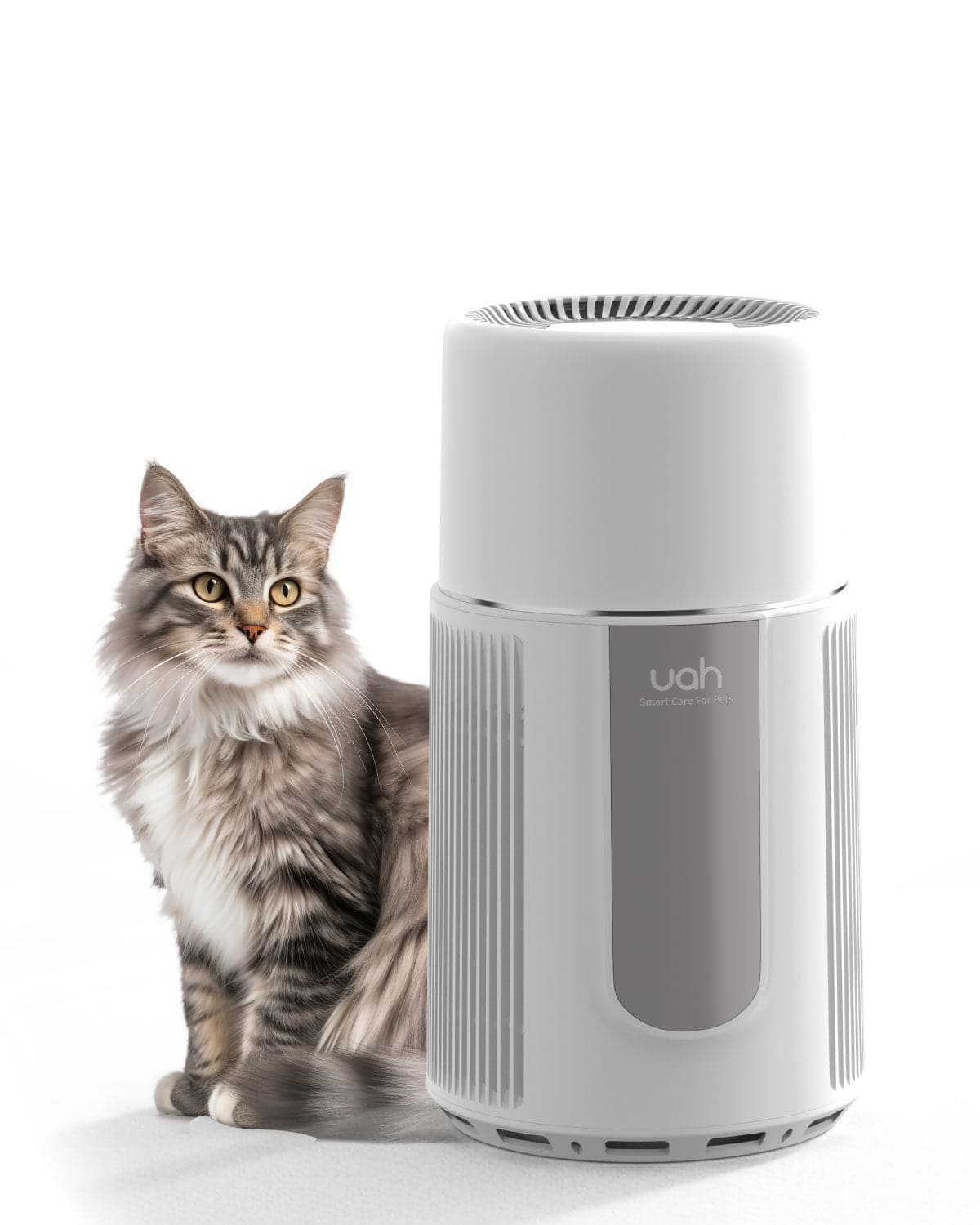


Are you tired of the daily chore of scooping your cat's litter box? Automatic cat litter boxes promise to revolutionize pet care, but are they worth the investment? This comprehensive guide explores the pros and cons of automatic cat litter boxes to help you decide if they are the right choice for you and your feline companion.
What is an Automatic Cat Litter Box?
An automatic cat litter box is a self-cleaning device designed to minimize the manual effort required to maintain a clean litter box for your cat. These devices use various mechanisms, such as raking, sifting, or rotating, to remove waste and keep the litter fresh. They often come with sensors to detect when your cat has used the box and initiate the cleaning process automatically.
Pros of Automatic Cat Litter Boxes
1. Convenience
One of the most significant advantages of automatic cat litter boxes is the convenience they offer. With a self-cleaning mechanism, you no longer need to scoop waste daily. This feature is particularly beneficial for busy pet owners or those with multiple cats.
2. Improved Hygiene
Automatic cat litter boxes help maintain a cleaner environment by removing waste promptly. This reduces the risk of bacterial growth and unpleasant odors, ensuring a healthier space for both you and your cat.
3. Reduced Litter Usage
Many automatic cat litter boxes are designed to use litter more efficiently. By removing only the soiled litter, these devices can extend the life of the remaining clean litter, saving you money in the long run.
4. Ideal for Multi-Cat Households
If you have more than one cat, an automatic litter box can be a game-changer. It ensures that the litter box is always clean and ready for use, reducing the likelihood of accidents or territorial disputes.
5. Monitoring Your Cat's Health
Some advanced models come with features that track your cat's litter box usage. This can help you monitor your cat's health by detecting changes in frequency or consistency, which may indicate underlying health issues.
Cons of Automatic Cat Litter Boxes
1. High Initial Cost
Automatic cat litter boxes are generally more expensive than traditional litter boxes. The initial investment can be a deterrent for some pet owners, especially if they are unsure about the product's effectiveness.
2. Maintenance and Cleaning
While automatic litter boxes reduce the need for daily scooping, they still require regular maintenance. You will need to empty the waste receptacle, clean the internal components, and replace filters or other parts periodically.
3. Noise Levels
Some automatic cat litter boxes can be noisy during the cleaning cycle. This may startle sensitive cats or be disruptive in a quiet household, especially at night.
4. Compatibility with Cats
Not all cats adapt well to automatic litter boxes. Some may be intimidated by the noise or movement, leading to avoidance behaviors. It may take time and patience to help your cat get used to the new device.
5. Limited Litter Options
Automatic cat litter boxes often require specific types of litter to function correctly. This can limit your options and may not be suitable if your cat has a preference for a particular litter type.
Factors to Consider Before Buying
1. Your Cat's Personality
Consider your cat's temperament and habits before investing in an automatic litter box. If your cat is easily startled or resistant to change, you may need to introduce the device gradually.
2. Household Size
If you have multiple cats, ensure that the automatic litter box you choose can handle the increased usage. Some models are better suited for multi-cat households than others.
3. Budget
Evaluate your budget and weigh the initial cost against the long-term benefits. While automatic litter boxes can save you money on litter, the upfront expense may be a significant consideration.
4. Space Requirements
Automatic cat litter boxes are often larger than traditional ones. Ensure you have adequate space in your home to accommodate the device without causing inconvenience.
5. Ease of Maintenance
Look for models that are easy to clean and maintain. Consider the frequency of emptying the waste receptacle and replacing parts to ensure the device remains hygienic and functional.
Tips for Transitioning Your Cat
1. Gradual Introduction
Introduce the automatic litter box gradually by placing it near the traditional one. Allow your cat to explore the new device at their own pace.
2. Positive Reinforcement
Encourage your cat to use the automatic litter box by offering treats or praise. Positive reinforcement can help your cat associate the new device with a pleasant experience.
3. Monitor Behavior
Keep an eye on your cat's behavior during the transition. If they show signs of stress or avoidance, consider slowing down the process or consulting a veterinarian for advice.
4. Maintain Cleanliness
Ensure the automatic litter box is always clean and ready for use. A dirty or malfunctioning device may deter your cat from using it.
5. Be Patient
Transitioning to an automatic litter box may take time. Be patient and give your cat the space they need to adjust to the new device.
Automatic cat litter boxes offer a range of benefits, from convenience to improved hygiene, but they also come with drawbacks such as high costs and maintenance requirements. By considering your cat's needs and your household dynamics, you can make an informed decision that enhances your pet care routine. Ready to take the leap? Explore the options available and find the perfect automatic litter box for your feline friend today!





