



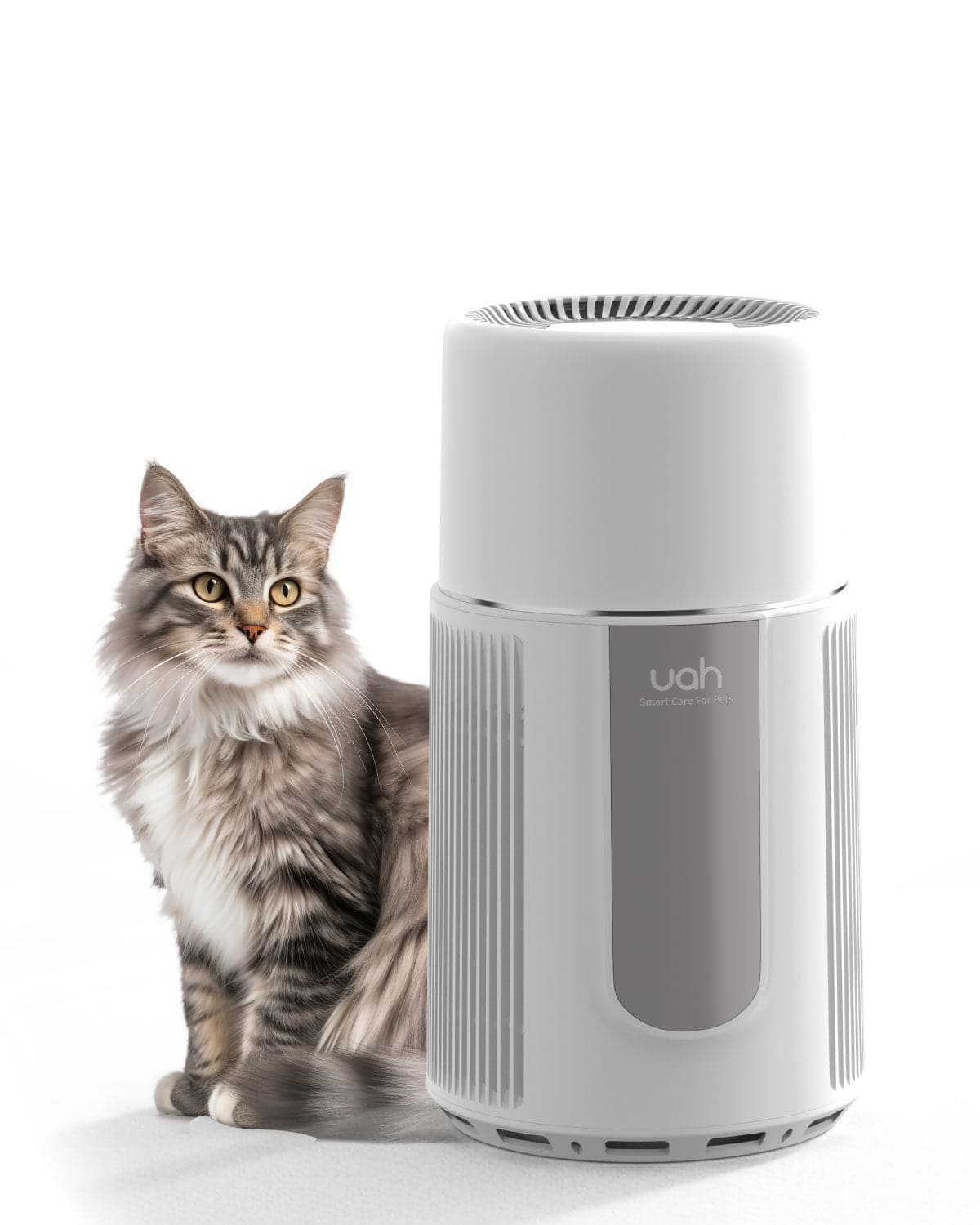


Dealing with cat urine in the litter box can be a challenging aspect of pet ownership, but understanding the underlying causes and implementing effective strategies can make a world of difference. Whether you're a new cat owner or a seasoned feline enthusiast, this guide will provide you with valuable insights into managing cat urine in the litter box.
Understanding Cat Urine in the Litter Box
Cat urine in the litter box is a common issue that many cat owners face. It's essential to recognize that cats are naturally clean animals, and their litter box habits can be influenced by various factors. Understanding these factors is the first step in addressing the problem effectively.
Common Causes of Cat Urine Issues
Several factors can contribute to issues with cat urine in the litter box. These include:
- Health Problems: Urinary tract infections, kidney disease, and other health issues can lead to changes in urination patterns.
- Stress and Anxiety: Cats are sensitive creatures, and changes in their environment or routine can cause stress, leading to litter box problems.
- Litter Box Preferences: Cats may avoid the litter box if they dislike the type of litter, the box's location, or its cleanliness.
- Behavioral Issues: Some cats may develop behavioral problems that result in inappropriate urination.
Health Considerations
If your cat is exhibiting unusual urination habits, it's crucial to rule out any underlying health issues. A visit to the veterinarian can help identify and address medical conditions that may be affecting your cat's litter box behavior.
Signs of Health Problems
Look out for the following signs that may indicate a health problem:
- Frequent urination or straining to urinate
- Blood in the urine
- Changes in urine color or odor
- Lethargy or changes in appetite
Litter Box Management
Proper litter box management is key to preventing issues with cat urine. Here are some tips to ensure your cat's litter box is a welcoming and clean space:
Choosing the Right Litter
Cats have preferences when it comes to litter. Experiment with different types to find one that your cat likes. Some cats prefer clumping litter, while others may prefer non-clumping or natural alternatives.
Litter Box Placement
The location of the litter box is crucial. Place it in a quiet, easily accessible area away from noisy appliances or high-traffic zones. Ensure there are multiple boxes if you have more than one cat.
Regular Cleaning
Keep the litter box clean by scooping waste daily and changing the litter regularly. A dirty litter box can deter your cat from using it.
Behavioral Solutions
Addressing behavioral issues requires patience and understanding. Here are some strategies to help your cat develop positive litter box habits:
Positive Reinforcement
Reward your cat with treats or praise when they use the litter box correctly. Positive reinforcement can encourage good behavior.
Environmental Enrichment
Provide your cat with a stimulating environment that includes toys, scratching posts, and perches. A happy and engaged cat is less likely to develop litter box problems.
Stress Reduction
Identify and minimize sources of stress in your cat's environment. This may involve maintaining a consistent routine, providing safe spaces, and using calming products if necessary.
Advanced Solutions
If basic strategies don't resolve the issue, consider these advanced solutions:
Litter Box Training
Some cats may need to be retrained to use the litter box. Gradually reintroduce the litter box and use positive reinforcement to encourage its use.
Consulting a Professional
If the problem persists, consult a veterinarian or a feline behaviorist. They can provide tailored advice and solutions based on your cat's specific needs.
Preventing Future Issues
Prevention is always better than cure. Here are some tips to prevent future problems with cat urine in the litter box:
Regular Health Check-ups
Schedule regular veterinary check-ups to monitor your cat's health and catch any potential issues early.
Maintaining a Clean Environment
Keep your home clean and free of odors that may attract your cat to urinate outside the litter box.
Monitoring Changes
Pay attention to any changes in your cat's behavior or litter box habits. Early intervention can prevent minor issues from becoming major problems.
By understanding the causes and implementing effective strategies, you can manage cat urine in the litter box and ensure a clean and comfortable environment for your feline companion. Remember, patience and consistency are key to resolving litter box issues and maintaining a happy and healthy relationship with your cat.





